2025 Top 5 UPS Electrical Systems to Enhance Power Reliability and Efficiency
In today's fast-paced digital landscape, the reliability and efficiency of power systems have never been more paramount. As businesses increasingly rely on uninterrupted power supply to maintain operations, the role of UPS electrical systems becomes critical. These systems not only safeguard sensitive equipment from power surges and outages but also enhance overall energy management, paving the way for a more resilient infrastructure.

As we look ahead to 2025, it’s crucial for organizations to stay informed about the latest advancements in UPS electrical technology. With innovative designs and improved functionalities, the top 5 UPS electrical systems are set to transform how industries approach power reliability. This article will explore these cutting-edge solutions, highlighting their features, benefits, and the impact they can have on enhancing operational efficiency. Understanding these options will empower businesses to make informed decisions that bolster their power strategies and drive success in an increasingly electrified world.
Cutting-Edge UPS Technologies for Maximum Power Efficiency
The global UPS market is set to experience significant growth, projected to reach a size of
$837.2 million by 2025 and further increase to
$1,172.4 million by 2033, demonstrating a compound annual growth rate of 4.3%.
As industries adapt to the increasing demand for reliable and efficient power solutions, innovative UPS technologies have emerged
as critical components for ensuring energy efficiency and system performance.
One of the remarkable advancements includes the introduction of high-density, modular UPS systems
that cover power needs from 500 to 1250 kW. These systems emphasize scalability and redundancy, addressing the challenges
posed by rising computational power demands, particularly in data centers. Additionally, the
evolution of electrical systems is evident in the shift towards integrating cutting-edge features designed to boost energy performance
while simultaneously enhancing safety and operational reliability. This revolution in UPS technologies signifies a pivotal move towards
smarter, more efficient power management systems.
Innovative Battery Solutions to Extend Backup Reliability
As businesses increasingly rely on uninterrupted power supply systems, innovative battery solutions are at the forefront of enhancing backup reliability. According to a report by the International Energy Agency (IEA), global electricity demand is expected to rise by 30% by 2040, underscoring the importance of efficient power systems. In this context, advanced battery technologies, such as lithium-ion and solid-state batteries, are being developed to extend backup capacity while optimizing performance. These solutions not only reduce downtime but also improve energy efficiency, contributing to a more robust infrastructure.
Moreover, a study by the Energy Storage Association highlights that businesses utilizing modern UPS systems with enhanced battery management can experience up to 50% longer operational lifespan compared to traditional systems. This increased reliability is essential, particularly for critical sectors such as healthcare and data management, where even a momentary power loss can lead to significant consequences. By integrating next-generation battery technologies into UPS systems, organizations can ensure continuous power flow and support their commitment to operational excellence while minimizing maintenance costs and environmental impact.
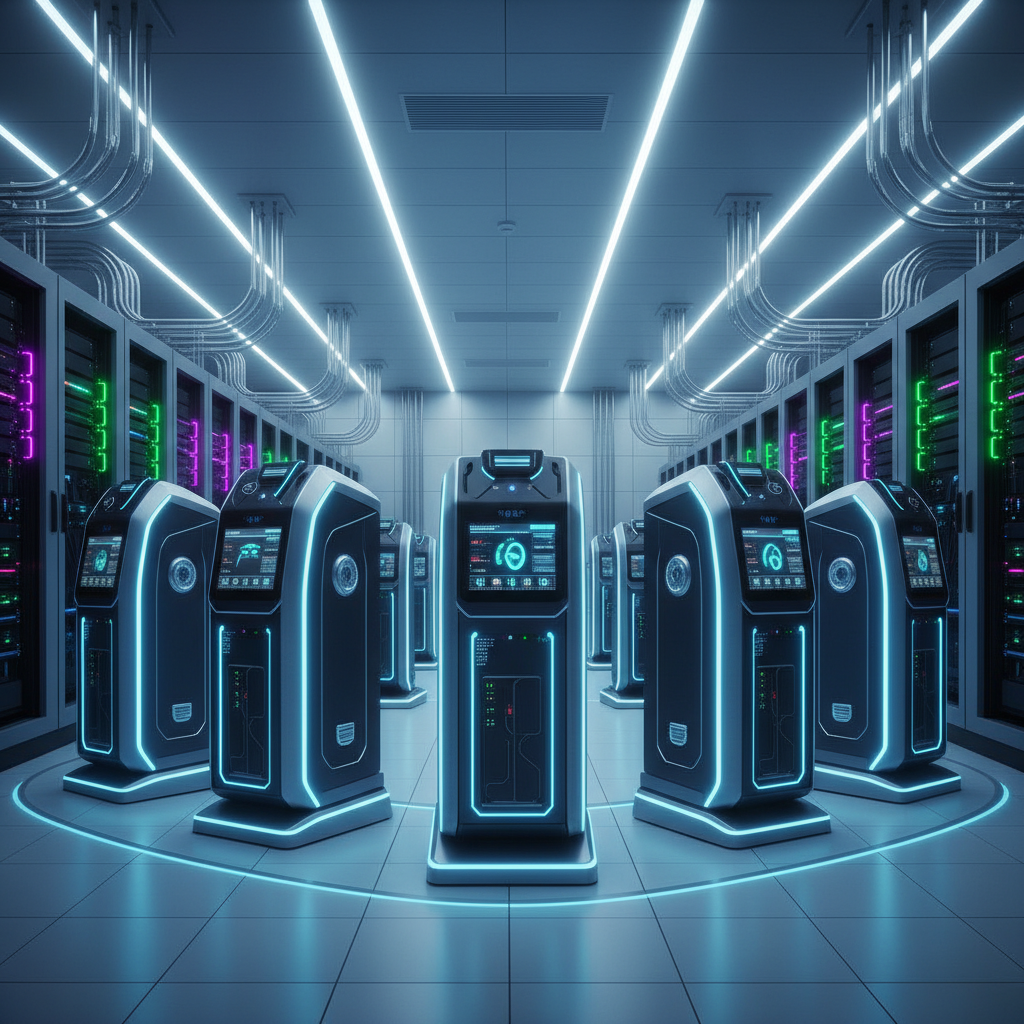
Smart Monitoring Systems for Real-Time UPS Performance
The integration of smart monitoring systems in uninterruptible power supplies (UPS) is revolutionizing the way businesses manage power reliability and efficiency.
According to a recent report by MarketsandMarkets, the global smart UPS market is expected to reach $2.5 billion by 2025, growing at a CAGR of 12% from 2020.
This growth is driven by the need for real-time performance tracking, offering organizations enhanced visibility into their power systems and allowing for proactive maintenance.
Real-time monitoring systems utilize advanced analytics and IoT (Internet of Things) technology to assess the health and performance of UPS units continuously.
By leveraging these innovative systems, companies can achieve up to a 30% reduction in downtime, as highlighted by a study from Gartner.
This capability not only minimizes risks associated with power interruptions but also optimizes energy consumption and operational costs.
Moreover, these smart systems facilitate predictive maintenance practices, reducing unexpected failures and extending the lifespan of the UPS units, ultimately leading to improved power reliability and operational efficiency.
Modular UPS Designs for Scalable Power Solutions
In the ever-evolving landscape of power management, modular Uninterruptible Power Supply (UPS) systems have emerged as a crucial solution for enhancing reliability and efficiency. According to a report by MarketsandMarkets, the global UPS market is projected to grow from USD 9 billion in 2020 to USD 15 billion by 2025, reflecting a growing need for scalable power solutions.
These modular UPS systems not only provide scalability but also improve overall energy efficiency. The EcoStruxure Energy Advisor by Schneider Electric highlights that modular UPS systems can achieve up to 97% efficiency in double conversion mode. This efficiency translates to reduced operational costs and minimizes the carbon footprint associated with power consumption. As organizations focus on resilience and sustainability, investing in modular UPS designs is proving to be a strategic move, enabling them to adapt to future power needs with minimal disruption.
Sustainable Practices in UPS Systems for Reduced Environmental Impact
As organizations strive for a sustainable future, integrating environmentally friendly practices in uninterruptible power supply (UPS) systems has become critical. A report by the International Energy Agency (IEA) highlights that buildings account for approximately 40% of global energy consumption, emphasizing the need for efficient power solutions.
Advanced UPS systems not only support reliable power delivery but can also be designed to optimize energy use, thus minimizing their carbon footprint. For example, energy-efficient UPS technologies can enhance overall performance while reducing operational costs, enabling companies to contribute positively to environmental sustainability.
Tips: Consider investing in modular UPS designs that allow for scalability and energy efficiency. These systems can adapt to changing energy needs without excessive waste or resource expenditure.
Moreover, implementing battery technologies such as lithium-ion can significantly improve the sustainability of UPS systems. According to a study from the U.S. Department of Energy, lithium-ion batteries have a longer lifespan and reduced environmental impact compared to traditional lead-acid batteries.
By transitioning to these modern energy storage solutions, companies can achieve more extended operational periods while decreasing hazardous waste disposal rates.
Tips: Regularly assess the lifecycle impact of your UPS systems to ensure optimal performance and minimal environmental footprint.