2026 How to Choose a Linear Wall Lamp?
Choosing a Linear Wall Lamp in 2026 is less about appearance than matching light to daily behavior. In real homes, a narrow hallway, reading corner, or bathroom mirror demands different performance. I have seen attractive fixtures fail because their beam created glare, their switch placement felt awkward, or their color looked cold against wood. This guide examines the practical decisions behind a reliable purchase. It considers proportion, brightness, color temperature, installation height, materials, energy use, maintenance, and control options. Small details matter. They often shape daily comfort more than dramatic styling.
A useful choice begins with the wall, not the product photograph. Measure the available width, note nearby doors, and observe where shadows fall at night. For bedrooms, softer, dimmable light may support calm routines; corridors often need even illumination rather than intense brightness. In damp areas, verify the fixture’s protection rating and follow qualified installation guidance. Product labels, warranty terms, and test documentation deserve more attention than vague claims. This is especially important when comparing unfamiliar brands or rapidly changing smart-lighting features. Yet no checklist is perfect. Personal vision, furniture placement, and camera images can mislead even careful buyers. I may prefer a warm, low-glare Linear Wall Lamp, but another room could need a brighter, more directional model. Compare samples when possible. Live with the light briefly. The best decision balances visual character, safe installation, useful performance, and long-term confidence, rather than chasing a trend that may age quickly.
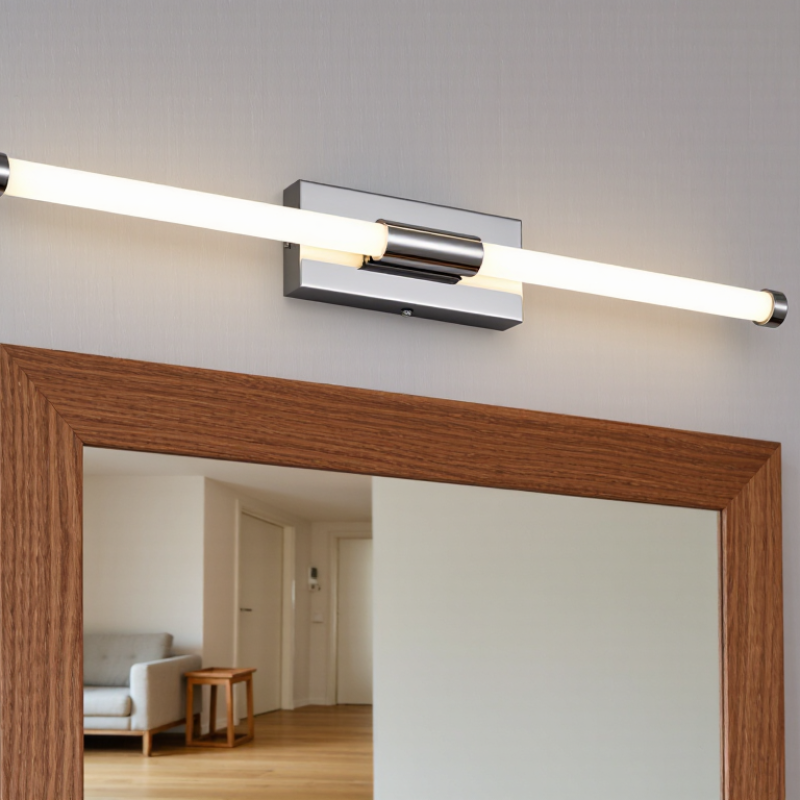
What Is a Linear Wall Lamp and How Does It Work?
A linear wall lamp is a long, narrow fixture designed to spread light across a wall or nearby surface. Unlike a round sconce, it creates a continuous visual line. Many models use integrated LED modules beneath a frosted diffuser. The diffuser softens bright points and reduces harsh shadows. The lamp may direct light upward, downward, outward, or in two directions.
Its operation is fairly simple. Household alternating current reaches a driver, which converts it into suitable low-voltage power for the LEDs. A switch, dimmer, or smart control then adjusts the output. In a hallway, downward light can improve floor visibility. In a bedroom, upward light can create a calmer effect. Placement changes everything. A lamp installed too close to eye level may produce uncomfortable glare, even with a diffuser.
When choosing one, check the actual length, lumen output, color temperature, and color rendering index. A warm 2700–3000K tone often suits living areas, while 3500–4000K can feel clearer in work spaces. Look for an IP rating in bathrooms or damp locations. Confirm dimmer compatibility before installation. A qualified electrician should handle fixed wiring.
I once assumed longer meant brighter. That is not always true. Some slim fixtures look powerful but provide limited useful light. Reviewing the beam direction on the specification sheet is worthwhile. Also, wall texture matters; uneven plaster can reveal shadows that product photos hide. A small sample installation may prevent an expensive disappointment.
How to Assess Your Space and Lighting Requirements
To choose a linear wall lamp, measure the wall before browsing fixtures. Record its width, ceiling height, nearby furniture, and viewing angles. A long lamp may look balanced above a console but overwhelm a narrow hallway. Mark the proposed length with masking tape. This simple test reveals awkward proportions quickly.
Define the lighting task. For reading or desk work, target roughly 300–500 lux on the working surface, following common IES and EN 12464-1 guidance. Decorative corridors need less. Check the lamp’s delivered lumens, not only its wattage. The International Energy Agency reports that lighting uses about 15% of global electricity (IEA, Lighting, 2021). Efficient LEDs matter, but glare and poor placement waste comfort. Choose a diffused lens, suitable color rendering, and a color temperature matching the room. Around 2700–3000K usually feels calmer in living spaces. Kitchens and work areas may need a cleaner appearance.
Tips: Use a light meter app as a rough check, then question the result. Phone sensors vary. I often estimate too much brightness at first. Switch off other lights and test the lamp at night. Watch reflections on screens, glossy tiles, and framed glass. Leave space around doors and artwork. If the wall surface is damp or exposed outdoors, verify the fixture’s ingress protection rating and local electrical requirements before installation. A beautiful continuous line can still create harsh shadows when mounted too close to eye level.
Which Design, Size, Materials, and Light Output Suit Your Room?
2026 How to Choose a Linear Wall Lamp?
A linear wall lamp should match your room’s shape, not merely its furniture. In a narrow hallway, choose a slim vertical design that visually lifts the wall. A horizontal lamp works better above a bed, sideboard, or bathroom mirror. Measure the wall first. I once selected a beautiful fixture that looked oversized beside a small console. The proportions felt wrong.
Size depends on both wall width and viewing distance. For a bedside lamp, keep the light source near eye level when seated. Check the lamp’s projection, too, especially in tight corridors. Materials affect atmosphere and maintenance. Powder-coated metal suits modern rooms and cleans easily. Wood adds warmth but may require more care near humid areas. Glass spreads light softly, while acrylic is lighter and often more impact-resistant. Think beyond appearance.
Light output should suit the task. A reading area may need stronger illumination than a decorative hallway. Many bedrooms feel comfortable around warm white light, roughly 2700K to 3000K. For bathrooms, select a suitable moisture-rated fixture and follow local electrical requirements. Dimmability is valuable because evening light should not feel harsh. Check lumens, beam direction, and color rendering rather than wattage alone. My preference changed after living with a lamp that looked warm but rendered colors poorly. Test samples when possible. Surface finishes can also appear different under cool daylight.
2026 How to Choose a Linear Wall Lamp?
Which design, size, materials, and light output suit your room?
Design
Choose an upward or diffused design for soft ambient light, or a direct downward design for reading, work, and mirror tasks. A slim horizontal profile suits modern rooms and wide walls.
Size
A lamp around one-half to two-thirds of the furniture or mirror width usually looks balanced. Leave enough clearance from doors, shelves, and artwork before fixing the lamp.
Materials
Metal provides a durable structural body, glass creates broad diffusion, and acrylic keeps the fixture lightweight with even light distribution. For bathrooms, select a moisture-suitable fixture with the required protection rating.
Light Output
The chart shows typical starting points for one linear wall lamp. Actual needs vary with room size, wall color, ceiling height, existing lighting, and whether the fixture is decorative or task-focused.
How to Compare Installation Methods, Controls, and Energy Efficiency
2026 How to Choose a Linear Wall Lamp?
Installation affects safety, appearance, and future maintenance. A hardwired linear wall lamp creates a cleaner finish, especially beside a hallway mirror or bed. It requires a suitable junction box and professional electrical work. A plug-in model installs faster, but its cable may remain visible. During projects, I check wall thickness, cable routes, and switch positions before choosing the fixture. A beautiful lamp can still be inconvenient when its switch sits behind furniture.
Controls deserve equal attention. Basic on-off switching costs less, while dimming improves comfort in bedrooms, corridors, and restaurants. Occupancy or daylight sensors can reduce unnecessary operation. The U.S. Department of Energy reports that lighting controls may reduce lighting energy use by 20% to 60%, depending on the building and controls. Compatibility matters. Some dimmers cause flicker, buzzing, or uneven brightness with LED drivers. Test the lamp and control together.
Tips: Choose a lamp with a replaceable driver when possible. Check lumens, not only watts. DOE reports that LEDs use at least 75% less energy and can last up to 25 times longer than incandescent lighting. IEA’s Energy Efficiency 2024 report also emphasizes efficient lighting and controls as practical electricity-saving measures. Still, lower wattage does not always mean better performance. Compare delivered lumens, color quality, beam spread, warranty terms, and standby power. Small details matter.
How to Check Safety, Maintenance Needs, and Long-Term Value
2026 How to Choose a Linear Wall Lamp?
A linear wall lamp should be judged beyond its appearance. I inspect the housing, diffuser, wiring access, and mounting points before comparing finishes. The U.S. Department of Energy reports that LED lighting uses at least 75% less energy and can last up to 25 times longer than incandescent lighting. However, advertised lifetime can mislead. LED ratings often refer to L70, meaning light output has fallen to 70% of its initial level.
Safety begins with documentation. Check compliance with IEC 60598-1 or an equivalent recognized safety standard. For bathrooms, balconies, or covered outdoor walls, confirm the required IP rating under IEC 60529. Look for secure terminals, strain relief, thermal protection, and a replaceable or serviceable driver. A cool aluminum body matters because trapped heat accelerates lumen depreciation. Flicker performance also deserves attention, especially near desks, mirrors, or cameras. I have seen attractive fixtures create uncomfortable shadows when their diffuser was too narrow.
Maintenance should be practical. Choose a sealed surface that wipes clean, but avoid designs with deep grooves that collect dust. Confirm whether the diffuser, driver, or LED module can be replaced. The U.S. Department of Energy’s solid-state lighting research emphasizes thermal management as a major factor in performance and lifetime. Initial price is only one part of value; energy use, driver replacement, cleaning time, and discarded materials also matter. I still prefer a simpler lamp when specifications are unclear. It may look less impressive, but uncertainty is an expensive feature.