
2026 Top Potassium Chloride Powder Exporter Guide
Choosing a reliable Potassium Chloride Powder Exporter requires more than comparing quoted prices. In 2026, buyers need clear evidence of product quality, production experience, and responsible international trade practices. This guide introduces practical criteria for evaluating exporters across agricultural, industrial, and laboratory supply chains.
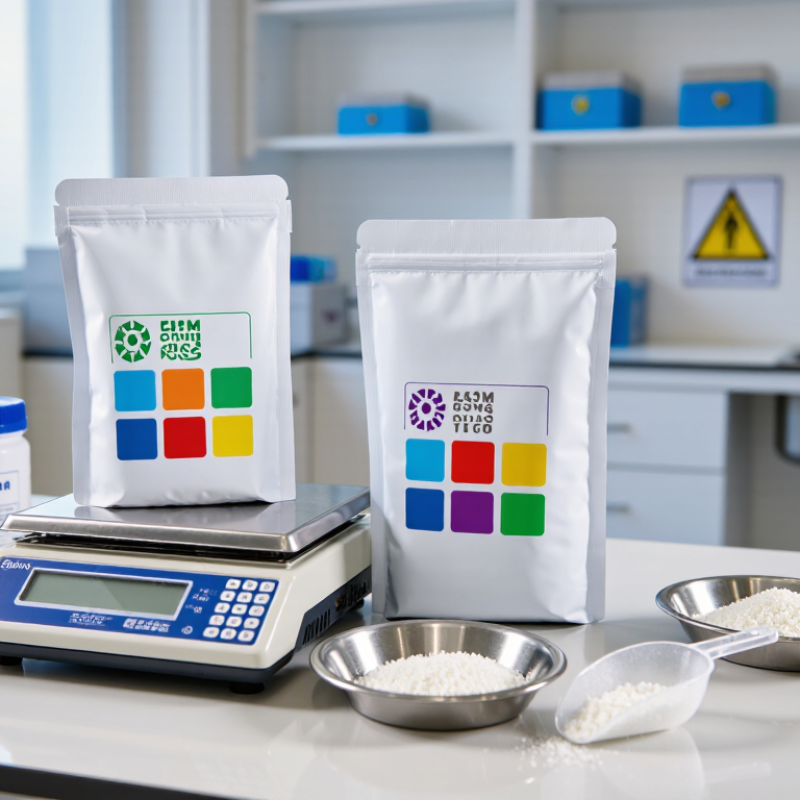
Look closely at the specification sheet. Confirm potassium chloride content, particle size, moisture level, appearance, and permitted impurities. A dependable exporter should provide a recent Certificate of Analysis for each relevant batch. Clear labeling matters, too. A 25-kilogram moisture-resistant bag should show the product grade, batch number, net weight, origin, and handling guidance.
Traceability builds confidence.
Experienced suppliers usually explain their testing process without hiding behind vague language. Ask how samples are collected, which laboratory performs the analysis, and how complaints are documented. Exporters should also demonstrate knowledge of packaging conditions, container loading, shipping documents, and destination-country requirements. Compliance must be checked for every market, not assumed from a previous shipment.
Price still matters, but unusually low pricing deserves careful review. It may reflect a different grade, older stock, incomplete documentation, or overlooked logistics costs. Not every polished website proves expertise. That is an important weakness in many supplier searches. Buyers should compare verifiable records, communication quality, delivery consistency, and after-sales support.
This 2026 guide offers a structured starting point for responsible sourcing. It cannot replace independent testing or professional legal advice. However, it can help buyers ask sharper questions and select a Potassium Chloride Powder Exporter with greater confidence.
Potassium Chloride Powder: Definition, Forms, and Main Applications
Potassium chloride powder is a refined mineral salt containing potassium and chloride ions. It commonly appears as white, free-flowing crystals or fine powder. The material is usually produced from natural potash ores through separation, purification, and controlled milling. Its quality depends on purity, particle size, moisture, and contamination control. These details matter during international shipment.
Several forms serve different technical needs. Granular grades dissolve more slowly, while fine powder disperses faster in liquid mixtures. Industrial grades may support chemical processing, water treatment, and manufacturing. Agricultural grades are used in potassium fertilizers, where potassium supports plant strength and water regulation. Food or pharmaceutical applications require stricter specifications and verified compliance with destination-country rules. Similar-looking powders may perform differently. That point is easy to overlook.
Tips: Check the certificate of analysis, particle-size range, packaging strength, and moisture level before purchasing. Ask for traceability documents and confirm the correct regulatory classification. Store the powder in sealed, dry packaging because humidity can cause caking. A clean warehouse helps preserve flowability. I have found that buyers sometimes focus only on assay, yet handling performance can decide whether a shipment works smoothly. Specification reviews should include the final application, not just the product name.

2026 Top Potassium Chloride Powder Exporter Guide
Potassium Chloride Powder: Definition, Forms, and Main Applications
Potassium chloride powder is a crystalline inorganic salt with the chemical formula KCl. Its water solubility increases with temperature, making the powder suitable for fertilizer solutions, chemical processing, food manufacturing, and selected water-treatment applications. The chart shows approximate potassium chloride solubility in grams per 100 grams of water at different temperatures.
Key Quality Standards for Export-Grade Potassium Chloride Powder
2026 Top Potassium Chloride Powder Exporter Guide
Export-grade potassium chloride powder begins with consistent chemical quality, not attractive packaging. Buyers should review assay results, moisture content, particle-size distribution, and insoluble matter. A reliable specification normally states potassium chloride purity clearly, with test methods and acceptance limits. Excess moisture can cause caking during ocean transport. Uneven particles may also affect blending and dosing.
Quality control should continue beyond the laboratory certificate.
Each production lot needs traceable sampling, sealed retention samples, and a certificate of analysis matching the shipped batch. Inspectors should check the inner liner, bag strength, pallet stability, and visible contamination before loading. Food, feed, and industrial applications may require different limits, so exporters must confirm the buyer’s intended use and destination requirements. A clean certificate alone is not enough.
Tips: Request recent batch data, not only a standard specification sheet. Ask how samples are collected and stored. Check whether the powder remains free-flowing after simulated humidity exposure. Independent testing can reveal differences that routine paperwork misses.
One practical weakness deserves attention:
sampling may represent only a small portion of a large shipment. Exporters should improve this process through randomised sampling and documented inspections. That extra discipline builds trust, even when minor production variations occur. Consistent records, careful packaging, and transparent communication remain strong indicators of dependable export quality.
Major Producing Regions and Global Supply Chain Overview
2026 Top Potassium Chloride Powder Exporter Guide
Potassium chloride powder mainly comes from large potash basins in Canada, Russia, Belarus, China, Germany, Israel, and Jordan. Canada remains a major source because its mines offer extensive reserves and export infrastructure. Eastern Europe supplies significant volumes, but routes can change with trade rules, transport limits, and port access. The Middle East benefits from mineral-rich brines and established seaborne logistics. Regional rankings may shift. Forecasts are not perfect.
The global supply chain usually begins with underground or solution mining. Producers then process, dry, grind, and classify the material. Exporters move powder by rail, truck, river barge, or vessel. Buyers should verify potassium content, chloride level, moisture, particle size, color, and packaging strength. A reliable exporter provides a recent certificate of analysis, batch traceability, safety documentation, and clear delivery terms. Port congestion can add unexpected delays, especially during agricultural demand peaks. Customs requirements also differ by destination.
Tips: Compare suppliers by mine origin, processing site, and shipment history. Request a retained sample before approving bulk orders. Check whether the powder meets your application’s exact size range. Do not rely on price alone. A cheaper offer may exclude inland freight, testing, insurance, or discharge costs. Allow time for independent inspection, because paperwork can look complete while practical details remain unclear.
How to Evaluate and Select a Reliable Potassium Chloride Exporter
2026 Top Potassium Chloride Powder Exporter Guide
How to Evaluate and Select a Reliable Potassium Chloride Exporter
Choosing a potassium chloride powder exporter requires more than comparing prices. A dependable supplier should provide a current certificate of analysis for every batch. Check assay, moisture, insoluble matter, particle size, and appearance. Ask whether results come from an independent laboratory or an internal quality team. Traceable lot numbers should connect certificates, production dates, and packaging records. This evidence shows operational control, not polished sales language.
Review export experience through verifiable documents. The exporter should explain loading methods, pallet protection, container conditions, and transit risks. Inspect sample packaging for sealed liners, clear labels, and humidity resistance. Powder can cake during a long voyage. That small detail matters. Confirm the safety data sheet, commercial invoice, packing list, origin documents, and destination-specific compliance requirements. Test communication with technical questions. Measure accuracy, not only speed.
Tips: Request a pre-shipment sample, batch photographs, and a written quality agreement. Compare at least two recent lots instead of trusting one perfect sample. Verify payment terms and complaint procedures before ordering. When possible, arrange a remote factory audit or independent inspection. My evaluation would include a trial shipment, because paperwork cannot predict every handling problem. This judgment can feel uncomfortable. The cheapest offer may become expensive after delays, rework, or rejected cargo. Keep detailed records and reassess the exporter after delivery.
Packaging, Documentation, Shipping, and Import Compliance Requirements
A reliable potassium chloride powder exporter starts with product control, not attractive packaging. The 2025 USGS Mineral Commodity Summaries reports global potash production in millions of tonnes, confirming this is a high-volume fertilizer trade. Exporters should state potassium content, moisture, particle size, and insoluble matter on each Certificate of Analysis. Small differences matter.
Use moisture-resistant woven polypropylene bags with sealed inner liners. Common commercial formats include 25-kilogram bags, 50-kilogram bags, and flexible intermediate bulk containers. Each package should show net weight, lot number, production date, country of origin, and storage instructions. Packaging data should match the invoice and packing list exactly. One careless mismatch can delay customs clearance.
Documentation needs careful checking. The World Customs Organization classifies potassium chloride under HS code 310420, while local tariff extensions may differ. The UN Comtrade database records this product under that heading, helping exporters compare destination trade patterns before quoting. Provide the commercial invoice, packing list, Certificate of Analysis, Safety Data Sheet, certificate of origin, and any fertilizer registration or import permit required by the destination. Confirm current rules directly with customs authorities. Requirements change.
For sea transport, verify the carrier’s acceptance rules and moisture controls. Potassium chloride is generally not regulated as dangerous goods, but the final classification depends on the product and transport mode. Bulk cargo may require additional IMSBC documentation. Pallets should remain dry, stable, and protected from contamination. A practical weakness remains: many suppliers check documents only after loading. Pre-shipment review is safer, although it adds time and cost.
| Category | Data Dimension | Typical Requirement or Verified Information | Exporter Preparation Check |
|---|---|---|---|
| Product Identity | Chemical name | Potassium chloride; commonly abbreviated as KCl. The product is an inorganic potassium salt supplied as a white or nearly white crystalline powder or granule. | Required |
| Product Identity | CAS Registry Number | CAS No. 7447-40-7. The CAS number should match the product specification, safety data sheet, commercial invoice, and customs documentation. | Required |
| Product Identity | Chemical formula and molar mass | Chemical formula: KCl. Relative molecular mass: approximately 74.55 g/mol. | Required |
| Product Quality | Purity specification | Commercial specifications vary by grade and application. A typical industrial or agricultural specification may state a minimum potassium chloride content of approximately 95% to 99.5%, subject to the purchase contract. | Confirm by COA |
| Product Quality | Potassium content | Potassium chloride is commonly traded by potassium oxide equivalent. Pure KCl contains approximately 63.1% K2O equivalent by mass; the declared commercial value depends on the grade and testing method. | Confirm by COA |
| Product Quality | Moisture and insoluble matter | Moisture, water-insoluble matter, sodium, calcium, magnesium, and other impurities should be stated in the product specification where relevant. Acceptance limits depend on the end use. | Contract-specific |
| Packaging | Common export pack sizes | Common formats include 25 kg or 50 kg woven polypropylene bags with an inner polyethylene liner, 500–1,000 kg flexible intermediate bulk containers, and bulk shipments. Actual pack size should be agreed before production. | Select in PO |
| Packaging | Packaging performance | Bags should be clean, dry, securely sealed, resistant to tearing, and suitable for protection from moisture and contamination during handling and transit. Palletization and stretch wrapping may be used for container loading. | Inspect before loading |
| Packaging | Package marking | Markings generally include product name, net weight, batch or lot number, country of origin, manufacturer or shipper details where required, handling information, and any destination-country labeling elements. | Destination-dependent |
| Documentation | Commercial invoice | Should identify the goods, quantity, unit price, total value, currency, Incoterms® rule and named place, country of origin, seller, buyer, and delivery information. | Required |
| Documentation | Packing list | Should show package count, package type, net weight, gross weight, dimensions, pallet details, marks and numbers, and container or seal information when available. | Required |
| Documentation | Certificate of Analysis | A COA should link the batch or lot to test results such as purity, moisture, insoluble matter, particle size, and other agreed parameters. Test methods and specification limits should be listed where applicable. | Recommended |
| Documentation | Safety Data Sheet | Provide an up-to-date SDS in the language or format required by the destination market. It should identify hazards, handling and storage controls, first-aid measures, transport information, and regulatory details. | Usually required |
| Documentation | Certificate of origin | May be required to support customs clearance, trade statistics, or preferential tariff claims. The issuing authority and required format depend on the importing country and applicable trade agreement. | Check importer rules |
| Customs | HS classification | Potassium chloride is commonly classified under HS heading 3104.20, covering mineral or chemical fertilizers containing potassium chloride. The final tariff code and national subdivisions must be confirmed with the importing country's customs authority or licensed broker. | Verify locally |
| Customs | Import declaration data | The declaration normally requires the correct HS code, product description, customs value, quantity, origin, consignee, transport details, and supporting documents. Incorrect classification may cause delays, reassessment, or penalties. | Broker review |
| Shipping | Transport classification | Potassium chloride is generally not regulated as dangerous goods under the principal international sea, air, road, and rail dangerous-goods frameworks when shipped as a standard product. The current SDS and carrier acceptance rules must still be checked. | Confirm before booking |
| Shipping | Container loading | Use dry, clean, odor-free equipment free from holes, water ingress, and incompatible residues. Protect bags from rain, condensation, sharp edges, and excessive compression during loading and unloading. | Pre-loading inspection |
| Shipping | Recommended storage conditions | Store in a cool, dry, well-ventilated area in tightly closed packaging. Keep away from moisture and incompatible materials, and apply first-in, first-out stock rotation to reduce caking and packaging deterioration. | Required |
| Shipping | Incoterms® and insurance | The sales contract should clearly state the selected Incoterms® rule, named place, responsibility for export and import clearance, freight costs, risk transfer, and cargo insurance obligations. | Contract-specific |
| Import Compliance | Agricultural or fertilizer registration | If the product is marketed as a fertilizer, the importing country may require product registration, nutrient labeling, importer licensing, or conformity with national fertilizer standards before sale or distribution. | Market-dependent |
| Import Compliance | Industrial, laboratory, or food-use controls | Additional controls may apply when the material is intended for food, pharmaceutical, laboratory, water-treatment, or other regulated applications. The intended use should be declared accurately before shipment. | Use-dependent |
| Import Compliance | Chemical inventory status | Importers may need to verify whether potassium chloride is listed on the destination country's chemical inventory and whether notification, registration, or quantity-based obligations apply. | Country-dependent |
| Quality Assurance | Pre-shipment inspection | Check product identity, batch number, packaging integrity, labels, net weight, container cleanliness, loading photographs, seal number, and document consistency before release. | Recommended |
| Quality Assurance | Shelf-life and claims | Potassium chloride is generally stable when kept dry, but moisture can cause caking and packaging problems. Avoid unsupported shelf-life, purity, origin, sustainability, or application claims in commercial documents. | Verify by contract |
Compliance requirements can vary by destination country, product grade, intended use, shipment mode, and quantity. The importer, customs broker, carrier, and relevant authorities should confirm the current requirements before shipment.
Article Source:
At Premium PSU, we are specialists in designing and manufacturing power conversion systems for the industrial market. Our product range includes high reliability power supplies from 50W to 72kW.
PREMIUM PSU
C/ Dolors Aleu, 19-21, 2nd Floor
08908 – Hospitalet de Llobregat
Barcelona-SPAIN
t.+34 93 223 26 85