
Best Shower Drainage Solutions for Efficient Water Flow?
When it comes to maintaining a comfortable and functional bathroom, proper Shower Drainage is crucial. Efficient water flow prevents pooling and keeps the space hygienic. Poor drainage can lead to mold growth and unpleasant odors. Understanding the best shower drainage solutions can resolve these issues.
Choosing the right drainage system involves various factors. The type of shower floor, the material used, and the local climate all play a role. Many homeowners overlook the importance of slope and positioning. A slight incline towards the drain can significantly improve water flow.
Despite advancements in design, common mistakes persist. Some installations do not ensure a watertight seal. Others fail to consider the volume of water during peak usage. Reflecting on these aspects can lead to better decisions. Ultimately, improving shower drainage involves patience and informed choices.
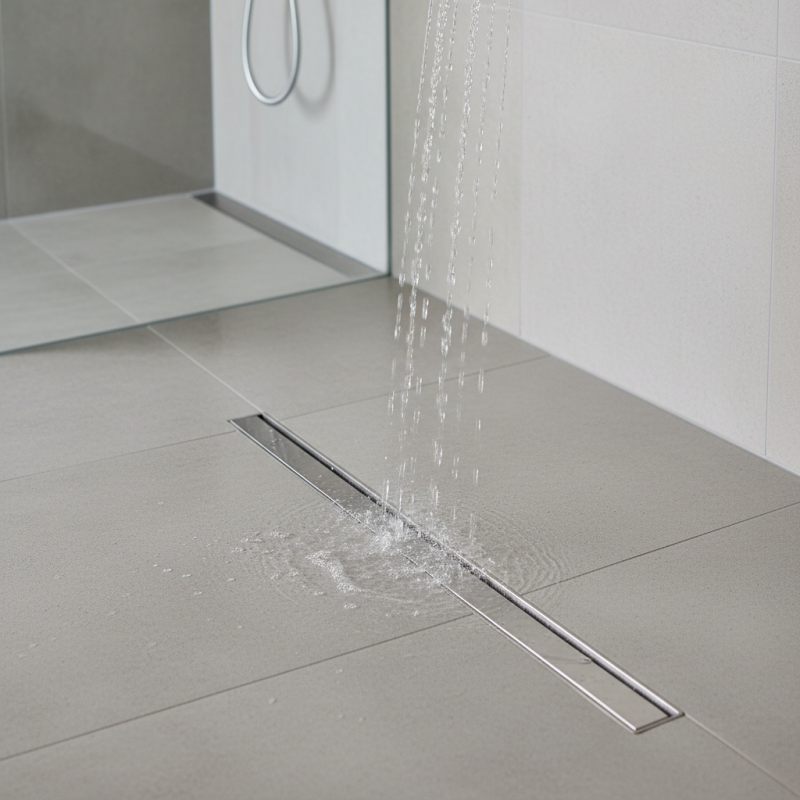
Overview of Shower Drainage Systems and Their Importance
Shower drainage systems play a crucial role in maintaining a clean and functional bathroom. They not only prevent water accumulation but also protect against mold growth and unpleasant odors. A well-designed drainage system enhances water flow efficiency, ensuring that your shower remains safe and hygienic. Understanding various drainage solutions can significantly impact your overall shower experience.
Tips: Regular maintenance is essential. Inspect the drain cover for debris. Clear any hair or soap buildup regularly. This simple action prevents clogging.
Different types of shower drains include linear and point drains. Linear drains are increasingly popular for their contemporary look. They are available in various lengths and fit seamlessly into the tile design. Conversely, point drains are traditional and usually located at the center of the shower. Each has its pros and cons, depending on the bathroom layout and personal preference.
Tips: If you’re unsure about installation, consult a professional. Poorly installed drains can lead to leaks. Investing in quality materials is vital for long-term performance. Always prioritize functionality over aesthetics when selecting a drainage solution.

Types of Shower Drains: A Comprehensive Comparison
When it comes to shower drains, choosing the right type is pivotal for efficient water flow. There are several options, each with unique characteristics. Traditional linear drains lay flat along the shower floor, promoting smooth water dispersal. They are perfect for larger spaces but may require precise installation to avoid pooling.
Point drains, on the other hand, are more common in residential settings. These small, circular drains sit at the lowest point of the shower. They are easier to install, but may not handle heavier water flow efficiently. Homeowners often overlook their capacity, leading to clogs and water backup.
Another option is the trench drain. This type is great for large showers or wet rooms. It provides a seamless look and excellent drainage. However, it can be costlier and complex to install. Regular maintenance is a must to prevent blockages. Each type has its pros and cons; understanding them ensures you make an informed decision.
Key Features to Look for in Efficient Shower Drainage Solutions
When choosing shower drainage solutions, several key features stand out. A high flow rate is essential. This ensures that water drains quickly, preventing puddles from forming. Look for drainage systems with wide outlets. They can handle larger volumes of water efficiently. Maintaining a clean shower area is crucial for hygiene.
Another important aspect is the material used in the drain. Stainless steel is a popular choice due to its durability and corrosion resistance. However, plastic options may be lighter and easier to install. Consider which material fits your needs best. The design plays a vital role in functionality. Sleek and minimalist designs can enhance your bathroom's aesthetics while remaining practical.
It's also worth considering the installation process. Some systems may require professional help, which can increase costs. DIY-friendly options can save money but may lead to errors if not installed properly. A poorly installed drain can lead to water pooling, causing frustration and damage over time. Lastly, check for a warranty. It adds a layer of security and trust in the product you choose.
Installation Tips for Optimal Shower Drainage Performance
When installing shower drains, proper techniques significantly impact drainage efficiency. According to industry reports, improper installation can lead to frequent clogging, with around 20% of homeowners experiencing this issue within the first year. Ensuring a sloped floor towards the drain is crucial. A slope of 1-2% promotes faster water removal and reduces standing water.
Tips: Ensure all materials are compatible. Using high-quality adhesives and seals minimizes leaks. Confirm that the drain is securely fastened to prevent shifting over time.
In addition to slope, consider the drain type. Linear drains can offer improved water flow, especially in larger spaces. They often provide a more aesthetically pleasing finish. However, they may require more detailed installation work. For DIY enthusiasts, following manufacturer guidelines is critical.
Tips: Double-check measurements. Misalignment can lead to serious drainage issues later. Regular cleaning of the drain cover is also essential to maintain performance. A simple monthly check can save homeowners from bigger problems down the line.
Best Shower Drainage Solutions Comparison
Maintenance Practices to Ensure Long-lasting Drain Efficiency
Regular maintenance is key to ensuring your shower drainage system operates efficiently. Begin by cleaning the drain cover and removing any visible debris. Hair, soap scum, and other waste can accumulate quickly, leading to clogs. Use a simple mixture of baking soda and vinegar to tackle minor blockages. Pour it down the drain and let it sit for at least 30 minutes before rinsing with hot water. This method is effective and safe for your plumbing.
Consider a periodic deep clean of your drainage system. Tools like a plumber’s snake can reach deeper clogs that basic cleaning might miss. Inspect the pipes for any signs of corrosion or damage. Leaks or cracks can compromise drainage efficiency. If you notice any issues, address them promptly to prevent further damage. Ignoring these problems can lead to costly repairs down the line.
Monitor your drain's performance. If water drains slowly or backs up frequently, it signals a need for intervention. Reflect on your cleaning habits and adjust as necessary. Rushing through cleaning may result in overlooked areas, allowing problems to persist. Embracing a proactive approach will ensure your shower drainage remains effective and reliable over time.
Best Shower Drainage Solutions for Efficient Water Flow - Maintenance Practices to Ensure Long-lasting Drain Efficiency
| Solution | Description | Maintenance Frequency | Expected Lifespan |
|---|---|---|---|
| Linear Drains | Continuous flow design to efficiently direct water towards the drain. | Every 6 months | 10-15 years |
| Dome Drain Covers | Prevents debris from entering the drain while allowing water flow. | Every year | 5-10 years |
| Strainer Drains | Filters large particles from water before it enters the plumbing system. | Every 3 months | 5-12 years |
| Trench Drains | Long, narrow channel for maximum drainage in large areas. | Every 6 months | 15-20 years |
| Pop-Up Drains | Opens to allow water to drain, then closes to block debris. | Every 6 months | 5-10 years |
Article Source:
At Premium PSU, we are specialists in designing and manufacturing power conversion systems for the industrial market. Our product range includes high reliability power supplies from 50W to 72kW.
PREMIUM PSU
C/ Dolors Aleu, 19-21, 2nd Floor
08908 – Hospitalet de Llobregat
Barcelona-SPAIN
t.+34 93 223 26 85