2026 How to Choose the Best Electric Vehicles for Your Business?
As businesses seek to adapt to new market demands, Electric Vehicles (EVs) have emerged as a crucial option. Selecting the right electric vehicle for your business can be overwhelming. Factors such as cost, efficiency, and suitability for your operations play a significant role. It’s not just about choosing any EV, but the best one tailored to your specific needs.
An effective decision requires thorough research and a clear understanding of your business's unique requirements. Electric vehicles may offer long-term savings, but upfront costs can be significant. Evaluating different models, including their range and maintenance needs, is essential. Do they align with your operational model? Are they reliable for your expected usage?
Additionally, the charging infrastructure available can impact your choice. Are there enough charging stations in your area? This factor could complicate daily operations. While EVs promise a greener future, businesses must reflect on their practicality. Thoughtful consideration will guide you to a decision that aligns with your goals and enhances efficiency.
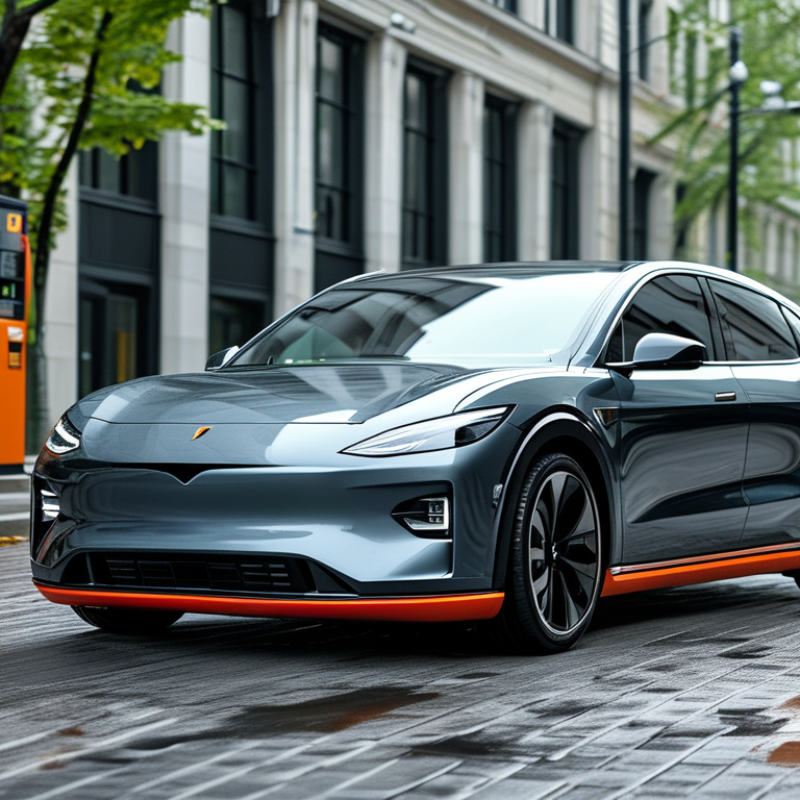
Understanding the Importance of Electric Vehicles for Businesses
As businesses increasingly prioritize sustainability, electric vehicles (EVs) present an advantageous solution. A 2022 report from the International Energy Agency highlights that EV sales surged by 108% worldwide, signaling a crucial shift in transportation. This growth not only aids environmental goals but also enhances business reputation. Embracing EVs demonstrates commitment to corporate social responsibility.
Numerous studies suggest that adopting EVs can significantly reduce operational costs. For instance, the U.S. Department of Energy states that electric fleet vehicles can save organizations up to $2,000 per vehicle annually in fuel expenses. Beyond cost savings, businesses that integrate EVs may also benefit from tax incentives and grants. These advantages can offset initial investments, promoting long-term fiscal health.
Tips: Assess your driving patterns. Understand how far your vehicles travel daily. Evaluate whether current range limitations affect productivity. Explore charging infrastructure. Confirm that you have access to adequate charging stations. Analyzing these aspects ensures a tailored approach to EV integration, maximizing benefits while mitigating possible concerns.
Key Factors to Consider When Choosing Electric Vehicles
When choosing electric vehicles (EVs) for your business, several key factors demand careful consideration. The total cost of ownership (TCO) is crucial. According to a report by BloombergNEF, EVs can save companies up to 30% on fuel and maintenance costs over traditional vehicles. However, initial purchase costs can be higher. It's important to analyze your organization's budget and potential long-term savings.
Another factor is the vehicle’s range and charging infrastructure. The International Energy Agency (IEA) states that range anxiety remains a barrier for many businesses. A vehicle with a minimum range of 250 miles is recommended for most applications. Additionally, assess the availability of charging stations in your operational areas. Lack of infrastructure can significantly hinder the effectiveness of an electric fleet.
Fleet utilization is often overlooked. Various reports note that EVs shine in urban environments where stop-and-go driving is common. For businesses with long-distance travel needs, careful planning is necessary. You may find that some models fail to meet your requirements. Always consider both the present and future needs of your fleet, ensuring your choices can adapt as your business evolves.
Choosing the Best Electric Vehicles for Your Business in 2026
This chart illustrates the key factors businesses should consider when choosing electric vehicles, based on their importance ratings out of 10.
Evaluating the Range and Performance of Electric Models
When choosing electric vehicles for your business, evaluating range and performance is crucial. The driving range of an electric vehicle (EV) determines how far it can travel on a single charge. For businesses with high mileage needs, selecting models with longer ranges can prevent disruptions. Consider real-world range tests instead of manufacturer claims. These tests provide more reliable data.
Performance encompasses acceleration, handling, and comfort. Some electric models deliver impressive torque, offering quick acceleration. This aspect can enhance customer experiences, especially in the delivery sector. Test drives are essential. They reveal how a vehicle feels on the road, an often-overlooked factor in EV selection.
**Tips**: Assess charging infrastructure. Will your business have access to public or private charging stations? Understand your typical fleet routes. This knowledge helps in selecting models that align with your operational needs. Keep in mind that a longer range often comes at a higher cost. Analyzing your budget against vehicle performance is necessary, as the best choice isn’t always the most expensive.
Assessing Total Cost of Ownership for Electric Vehicles
When choosing electric vehicles (EVs) for business, assessing the total cost of ownership (TCO) is essential. TCO goes beyond the initial purchase price. It includes maintenance, insurance, charging, and depreciation. These factors can significantly impact your overall expenses. For instance, while EVs usually have higher upfront costs, they often come with lower fuel and maintenance expenses.
Consider how different models perform regarding energy efficiency. Some vehicles may require more frequent charging, increasing costs. Evaluate incentives too. Many jurisdictions offer tax credits or rebates, which can alleviate initial financial burdens. Additionally, explore various charging options, including home, public, and workplace charging solutions. Each presents different pricing structures and benefits.
Reflect on how your business operations influence TCO. Analyze driving patterns, fleet size, and vehicle usage. Could certain vehicles lead to unexpected costs? Make sure you account for these when projecting budgets. This comprehensive assessment ensures well-informed decisions that align with your business goals, driving long-term savings. The complex dynamics of TCO require careful attention and continuous reevaluation.
Analyzing Infrastructure Needs for Electric Vehicle Charging Solutions
As electric vehicles (EVs) gain traction in the business sector, infrastructure needs emerge as a critical concern. According to a report by the International Energy Agency, EV sales are expected to surpass 23 million units globally by 2025. This surge highlights the need for adequate charging solutions. Companies must assess the charging infrastructure necessary to accommodate this increase in EVs.
Evaluating the types of charging options is essential. Level 2 charging stations are common for businesses with a longer dwell time. Fast chargers can significantly reduce charging time but may require more substantial electrical upgrades. A study by the McKinsey Global Institute indicates that businesses can reduce operational costs by up to 30% with the right charging infrastructure. However, integrating these systems isn't always straightforward. Companies often face challenges related to power availability and installation costs.
Additionally, location plays a vital role in charging infrastructure success. Proximity to main roads or high-traffic areas can enhance station usage. However, planning must consider accessibility for both employees and customers. Multiple factors influence the overall effectiveness of EV charging solutions. Decision-makers need comprehensive analyses to avoid potential pitfalls and ensure their investments yield sustainable benefits.
2026 How to Choose the Best Electric Vehicles for Your Business? - Analyzing Infrastructure Needs for Electric Vehicle Charging Solutions
| Business Sector | Vehicle Type | Range (miles) | Charging Time (hours) | Charging Infrastructure Needs |
| Delivery Services | Cargo Van | 150 | 4 | Level 2 chargers at depots |
| Corporate Fleet | Sedan | 350 | 5 | Fast charging stations at offices |
| Public Transport | Bus | 300 | 6 | Charge points at bus depots |
| Construction | Heavy Duty Truck | 200 | 8 | DC fast chargers on-site |
| Ride Sharing | Compact Car | 250 | 3 | Public and private charging stations |