Why You Should Choose the Right Power Supply Unit for Your Computer
 In the world of computer hardware, choosing the right power supply unit (PSU) is crucial for ensuring system stability, longevity, and performance. Industry expert, Dr. Lisa Thompson, a renowned electrical engineer and author of "Power Supply Management in PC Systems", emphasizes, "The power supply unit is often overlooked, yet it serves as the backbone of your computer, providing the necessary power to all components." Without a reliable PSU, even the most advanced graphics cards and processors can underperform or become damaged.
As technology evolves, so do the demands placed on power supply units. In 2025, the landscape of PSUs will continue to adapt, reflecting advancements in hardware efficiency and the growing requirement for high-performance computing. Selecting the right PSU is not merely about wattage; it requires understanding the specific needs of your system, compatibility, and energy efficiency ratings. A well-chosen power supply unit not only safeguards your investment but also enhances your computing experience.
With so many options available in the market, it's imperative to know what to look for. In this article, we will explore the top five power supply units for 2025, providing insights and recommendations to help you make an informed decision. Your computer deserves a power supply unit that matches its potential, ensuring optimal performance and reliability for years to come.
Understanding the Role of a Power Supply Unit in Computer Performance
The power supply unit (PSU) is a critical component in any computer system, responsible for converting AC power from the outlet into usable DC power that feeds various components. Its performance directly influences the stability and efficiency of the entire system.
A reliable PSU ensures that the CPU, GPU, and other peripherals receive consistent power levels, preventing potential malfunctions or hardware failures due to inadequate energy supply.
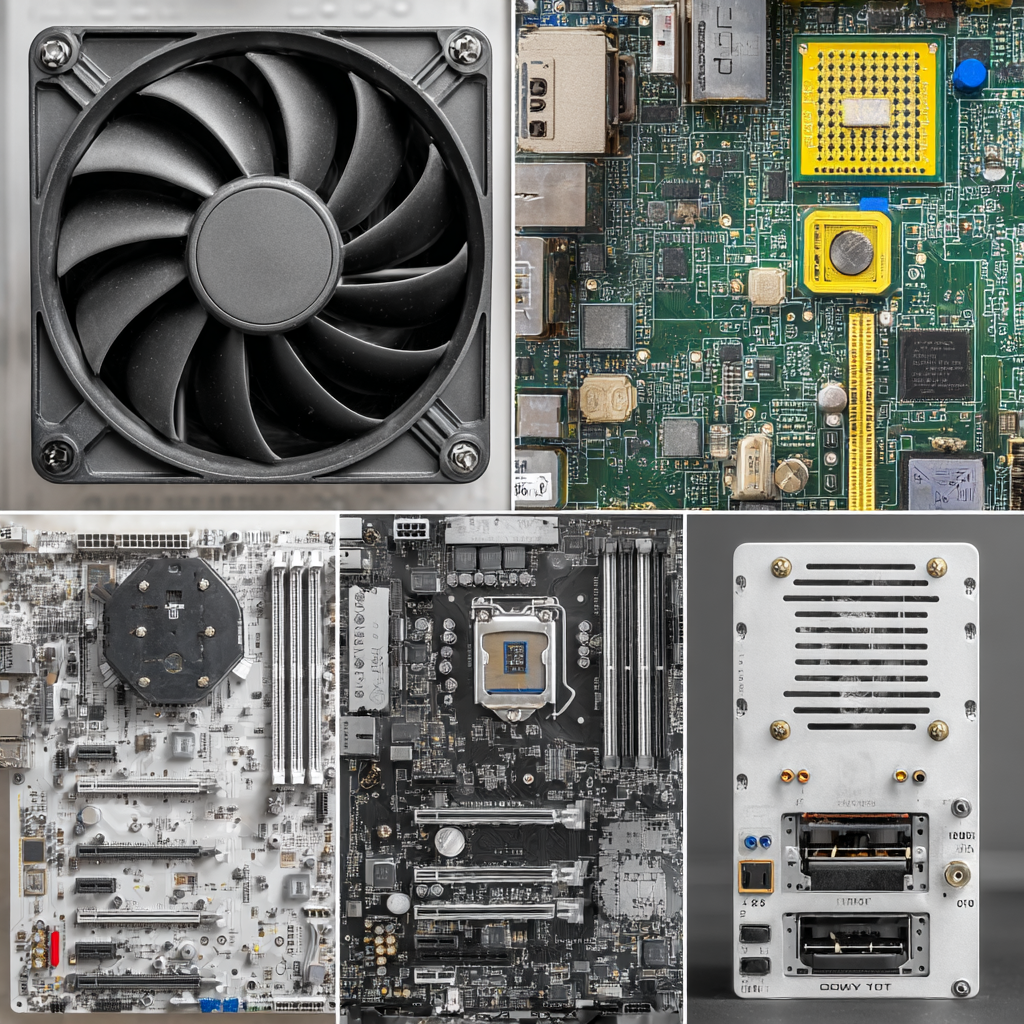
Understanding the specifications of a power supply unit, such as wattage, efficiency rating, and modularity, is essential for maximizing computer performance. A PSU with insufficient wattage may struggle to power all components, leading to crashes and instability during demanding tasks. Additionally, an energy-efficient PSU can reduce electricity costs while minimizing heat output, contributing to a cooler system overall.
Selecting a PSU that meets or exceeds the power needs of the system enhances not just performance but also longevity, ensuring that your investment in hardware does not face premature wear and tear.
Key Factors to Consider When Selecting a Power Supply Unit
When selecting a power supply unit (PSU) for your computer, several key factors should be considered to ensure optimal performance. Firstly, the wattage requirements of your system are paramount. Evaluate the power consumption of your components, including the CPU, GPU, and any additional peripherals. Investing in a PSU with a higher wattage than needed not only accommodates future upgrades but also enhances efficiency.
Another essential factor is the efficiency rating of the PSU. Units with higher ratings, such as 80 PLUS Gold or Platinum, indicate better energy efficiency and reduced electricity costs over time. This is particularly significant as the global power supply market is projected to grow significantly, from $3.74 billion in 2023 to $9.84 billion by 2030, reflecting a CAGR of 14.8%. Choosing a highly efficient PSU can contribute to lower energy usage, making it a wise investment in light of this market trend.
Tips for selecting the right PSU include researching customer reviews for reliability and choosing a reputable brand known for quality. Additionally, ensure that the PSU has adequate connectors for your components, particularly if you are using high-performance graphics cards. Keeping these factors in mind will not only ensure your computer runs smoothly but also align with the growing global emphasis on energy efficiency in the tech industry.
Key Factors to Consider When Selecting a Power Supply Unit
Different Types of Power Supply Units and Their Applications
When selecting a power supply unit (PSU) for your computer, it's essential to understand the different types available and their specific applications. The market for power supply units is evolving rapidly, with a projected growth from $661.68 million in 2024 to $1,076.28 million by 2032, indicating a compound annual growth rate (CAGR) of 6.30%. This growth reflects an increasing demand for more efficient and reliable power sources that cater to the diverse needs of modern computing environments.
Power supply units come in various forms, including modular, non-modular, and semi-modular designs. Modular PSUs allow users to connect only the cables they need, reducing clutter and improving airflow within the case. Non-modular PSUs, while typically more affordable, have all cables permanently attached, which can lead to inefficiencies in cable management. Additionally, the portable power supply market is also expanding, with products such as portable power stations and solar generators gaining popularity for their versatility in various applications, including outdoor activities and emergency power needs. Understanding these options allows consumers to select the most suitable PSU that meets their specific requirements for performance and efficiency.
Why You Should Choose the Right Power Supply Unit for Your Computer - Different Types of Power Supply Units and Their Applications
| Type of Power Supply Unit |
Wattage Range |
Efficiency Rating |
Applications |
| ATX Power Supply |
300W - 1200W |
80 Plus Bronze to Platinum |
Standard desktops, gaming rigs |
| SFX Power Supply |
300W - 600W |
80 Plus Bronze to Gold |
Compact PCs, small form factor |
| Modular Power Supply |
500W - 1600W |
80 Plus Bronze to Titanium |
High-performance desktops, custom builds |
| Non-Modular Power Supply |
400W - 800W |
80 Plus White to Gold |
Budget builds, general-purpose systems |
| High-End Power Supply |
800W - 2000W |
80 Plus Platinum to Titanium |
Workstations, overclocked gaming |
How to Calculate Power Requirements for Your Computer Setup
When it comes to building or upgrading your computer, calculating the power requirements for your setup is crucial. A well-chosen power supply unit (PSU) ensures that your system runs efficiently and reliably. According to a report by the Electric Power Research Institute, the average gaming PC can consume between 350 to 600 watts, depending on the components used. To determine your specific needs, start by adding the wattage of each component, including the CPU, GPU, motherboard, RAM, and storage devices. Online calculators, such as those provided by manufacturers like Corsair and EVGA, can also help streamline this process, offering tailored suggestions based on inputs about your hardware.
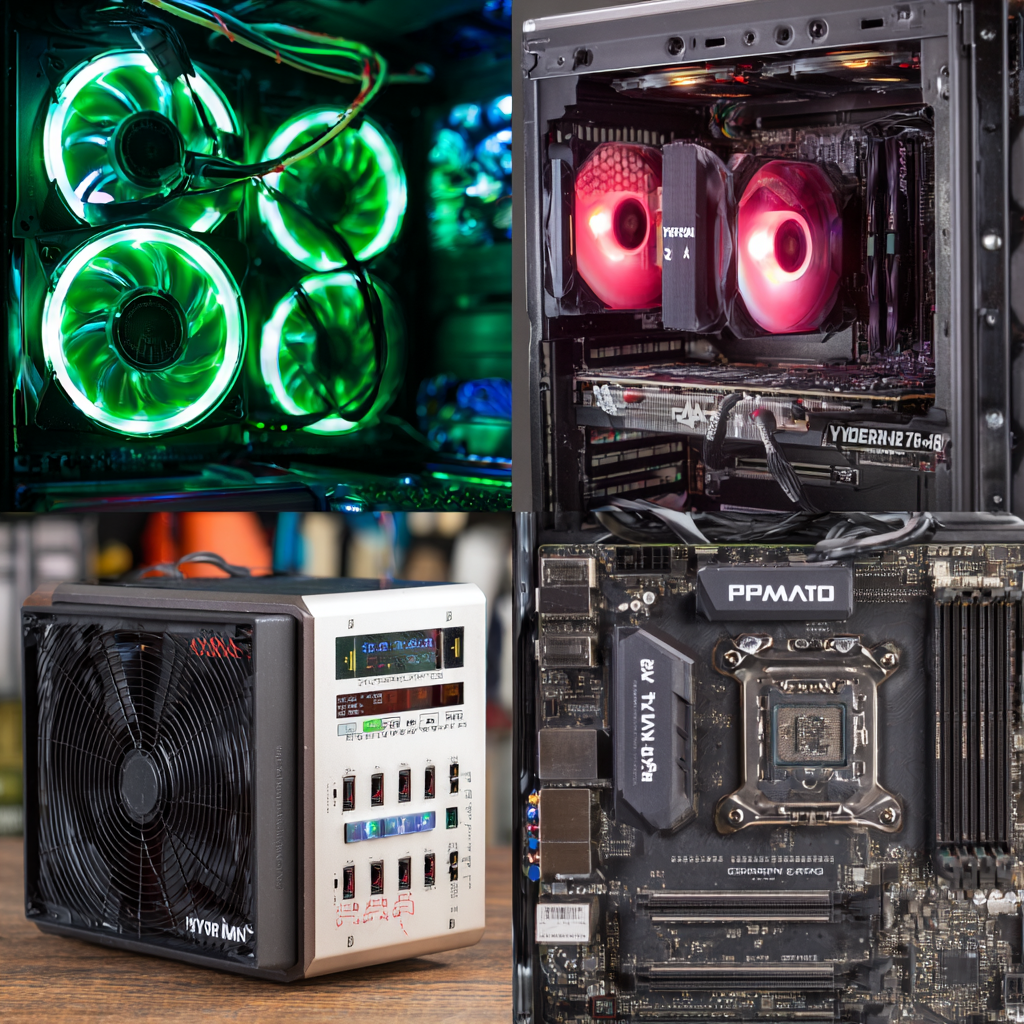
Furthermore, it is advisable to include a buffer in your calculations. The general rule of thumb is to add an additional 20-30% to accommodate for peak loads and future upgrades. For instance, if your components require 500 watts, opting for a 650-750 watt PSU provides ample headroom. This not only enhances system stability but may also improve the lifespan of the PSU and other components. A study by JonnyGuru highlights that high-quality PSUs can maintain stable outputs and efficiency ratings under varying loads, emphasizing the importance of selecting the right unit tailored to your calculated needs.
Common Mistakes to Avoid When Choosing a Power Supply Unit
When selecting a power supply unit (PSU) for your computer, several common mistakes can lead to performance issues or even hardware damage. One frequent oversight is failing to check the wattage requirements of your components. Many users underestimate the power necessary, especially when using high-performance graphics cards or multiple drives. It's essential to calculate the total wattage required and choose a PSU that exceeds that number to ensure stability.
Another mistake is ignoring the efficiency rating of the power supply. Opting for a lower-quality PSU might save money at the outset, but it can lead to higher electricity costs and increased heat generation. Aim for units with an 80 Plus certification, which guarantees a certain level of efficiency. Additionally, consider the connector compatibility with your motherboard and peripherals. Using a PSU without appropriate connectors can hinder system functionality, making it crucial to verify compatibility before making a purchase.