How to Choose the Right Water Analysis Instrument for Your Needs?
Choosing the right Water Analysis Instrument can be challenging. With various instruments available, it’s vital to understand your specific needs. Factors like the type of water, the parameters to measure, and the required accuracy play a crucial role in this decision.
Consider the different types of instruments, such as portable meters and laboratory-grade devices. Each serves distinct purposes. For instance, portable meters are convenient for fieldwork, but they may lack the precision of lab equipment. Reflecting on your user scenario helps narrow down your options.
Reliability is essential in water analysis. While budget considerations are important, investing in a quality instrument ensures accurate results. Sometimes, cheaper solutions might lead to long-term costs due to inaccurate readings. Evaluate the features that matter most to you, and don’t hesitate to seek expert advice. Balancing functionality, cost, and reliability is key to making the right choice.
Understanding Different Types of Water Analysis Instruments
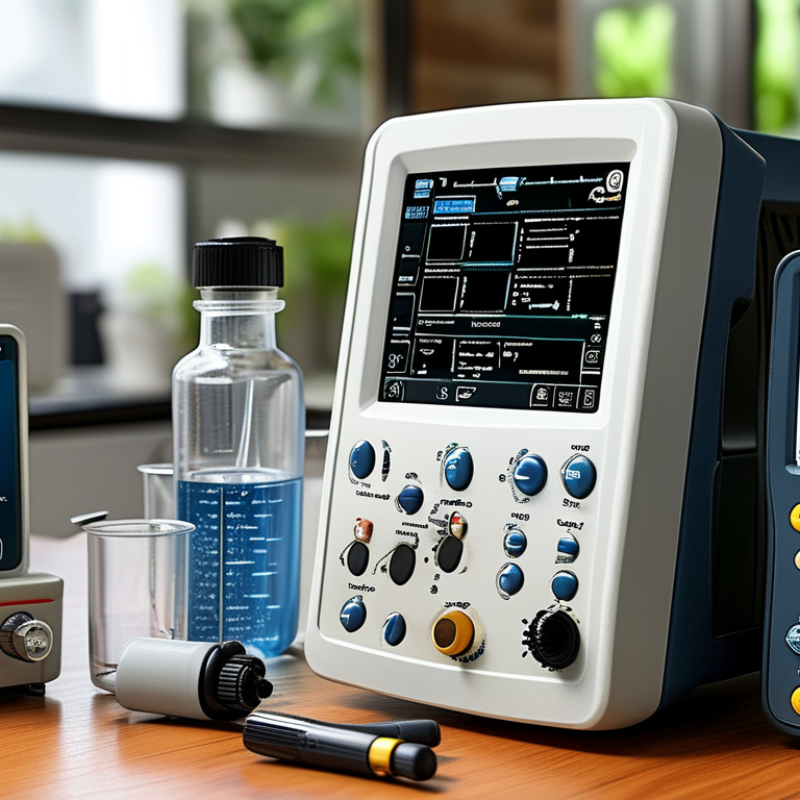
When selecting a water analysis instrument, understanding the types available is crucial. There are several methods for water quality assessment, with each serving a specific purpose. Common types include spectrophotometers, pH meters, and conductivity meters. Spectrophotometers measure light absorbance to determine concentration levels of substances. pH meters assess acidity or alkalinity, while conductivity meters evaluate the ionic content in water. According to the American Society for Testing and Materials (ASTM), proper selection of these instruments can reduce errors by up to 20%.
Consider your specific needs when choosing an instrument. For example, if you're monitoring drinking water, pH and dissolved oxygen levels are essential. However, for industrial processes, total dissolved solids might be more critical. In a study by the Environmental Protection Agency (EPA), over 30% of testing equipment used by facilities was mismatched for their intended purpose, leading to inaccurate data. This shows the importance of understanding your requirements.
Tips: Always review calibration procedures. Instruments must be calibrated for accurate results. Research recent studies in your field to ensure compliance. Regular maintenance of the instruments is needed to avoid malfunctions. Being aware of these details can enhance reliability and precision in your analysis.
Key Factors to Consider When Selecting a Water Analysis Instrument
Choosing the right water analysis instrument can be overwhelming. Many factors are at play. Consider your specific needs first. What parameters do you need to analyze? Is it pH, turbidity, or contaminants? Defining your goals helps narrow down your options.
Next, think about the instrument's ease of use. A complex device can lead to errors. Simplicity is key in many cases. Training costs can add to your budget, so ease of operation is essential. Choose an instrument that fits your skill level and the expertise of your team.
**Tips:** Always check the calibration requirements. A well-calibrated instrument ensures accurate readings. Look for models that offer simple calibration checks. Maintenance cannot be ignored. Regular upkeep will prolong the life of your equipment and improve accuracy.
Lastly, consider your budget. High price does not always mean high quality. Assess the long-term value versus initial cost. Sometimes, investing more upfront can save money in the long run with reliable performance. Assessing all these factors carefully will lead to informed decisions.
Evaluating the Accuracy and Precision of Water Testing Devices
When evaluating water testing devices, accuracy and precision are key considerations. Accuracy indicates how close a measurement is to the true value. Precision, on the other hand, reflects the consistency of results when measurements are repeated. Both factors are crucial for reliable water analysis. For example, a device that consistently provides values close to the actual concentration of contaminants is deemed both accurate and precise.
It’s important to check specifications before purchase. Look for calibration options and consider how often recalibration is necessary. Frequent recalibration can signify a less reliable instrument. Additionally, review third-party testing results. Independent evaluations can provide insight into a device's performance across various conditions.
While many instruments claim accuracy, real-world use may differ. Environmental factors, such as temperature and pH changes, can affect results. It is wise to conduct your tests under controlled conditions. This approach can help reveal potential discrepancies. Understanding these nuances can lead to better decision-making in selecting the right tool for water analysis.
Water Testing Devices Accuracy and Precision Comparison
Budget Considerations for Water Analysis Equipment Selection
When selecting water analysis instruments, budget plays a crucial role. Analysts must balance quality with cost. A higher price often indicates better precision and reliability. However, expensive equipment might not always be necessary for smaller projects. It's essential to evaluate your specific requirements.
Consider the long-term costs associated with maintenance and consumables. Cheaper instruments may save money upfront but could incur higher expenses over time. Invest time in researching lifespan and durability. Sometimes, spending a little more initially can save frustrations later. Look for user reviews and expert opinions to guide your choices.
It’s also worth contemplating your skills and expertise. Less complex instruments might suit beginners, while advanced users could benefit from sophisticated options. Assess your team's knowledge and training. This reflective approach can help prevent financial missteps. Remember, the right instrument isn’t always the most expensive one.
Maintenance and Calibration Needs for Water Testing Instruments
When selecting a water analysis instrument, understanding maintenance and calibration needs is crucial. Regular maintenance ensures reliable data. According to a study by the American Water Works Association, improper maintenance can lead to a 30% increase in inaccuracies in water testing. Users must familiarize themselves with the specific requirements of their instruments.
Calibration is equally important. Instruments often require calibration after specific intervals or usage levels. A report from the Environmental Protection Agency highlights that neglecting calibration can lead to severe misinterpretations. Some devices need daily checks, while others require calibration weekly. This variability can be confusing for users.
Performing maintenance and calibration can be time-consuming. It's easy to overlook or delay these tasks, yet they directly impact results. Operators should document maintenance activities. This practice can identify patterns in equipment performance over time. By reflecting on maintenance efforts, users can enhance the reliability of their water analysis processes. Prioritizing these aspects can improve overall accuracy and data quality in water testing.