How to Choose the Best DC Converter for Your Needs?

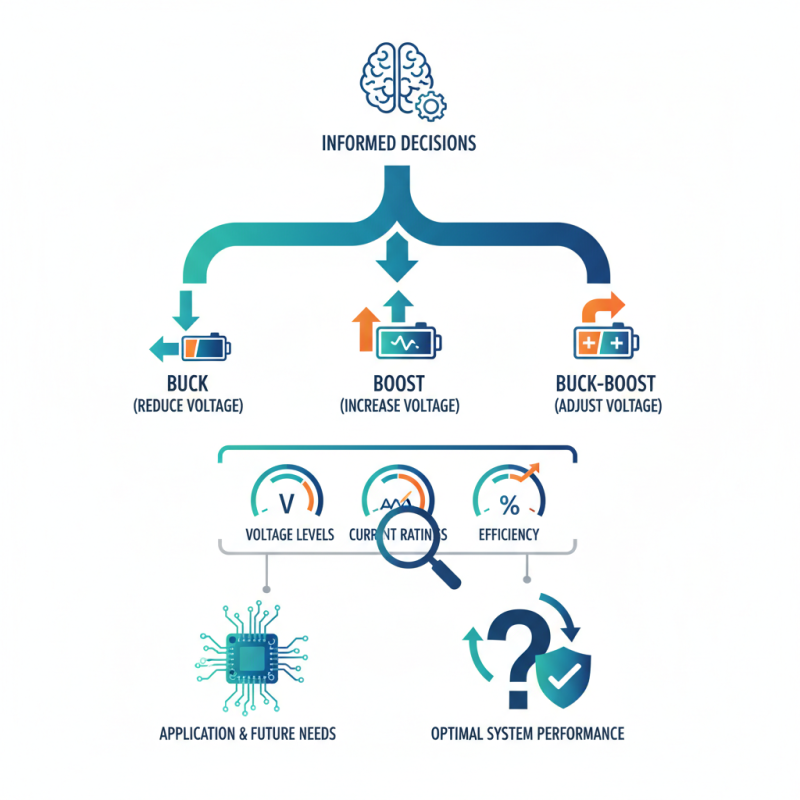
Choosing the right DC converter can be a daunting task, especially with so many options available. Industry expert Dr. Emily Carter states, "Selecting the right DC converter is crucial for optimal system performance." This highlights the importance of making informed decisions when it comes to power conversion.

DC converters are not one-size-fits-all. They come in various types, including buck, boost, and buck-boost converters. Each type serves different applications and has unique specifications. For example, a buck converter reduces voltage, while a boost converter increases it. Understanding these differences is vital when selecting a DC converter for your needs.

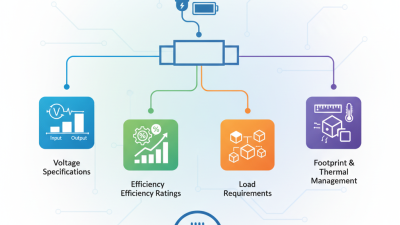
Moreover, precision in your requirements matters. Take note of voltage levels, current ratings, and efficiency. A poorly chosen converter can lead to inefficiencies and reliability issues. Reflection on your specific application and future needs will guide you toward making the best choice. In the rapidly evolving tech landscape, staying informed is key to ensuring your investment in a DC converter pays off.
How to Choose the Best DC Converter for Your Needs?

Understanding the Basics of DC Converters and Their Functions

DC converters play a crucial role in various electronic applications. They convert direct current (DC) from a source to a required voltage level. Understanding their basics can help you select the right device for your needs. The efficiency of these converters can greatly affect overall system performance. Data shows that modern converters achieve efficiencies above 90%, which can significantly reduce energy loss.

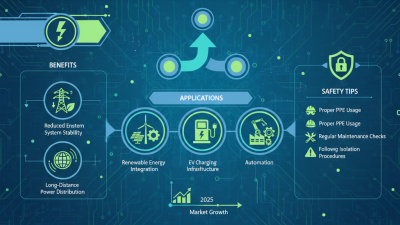
Different types of DC converters exist, such as buck, boost, and buck-boost converters. Each type has unique functionalities. Buck converters lower voltage levels, while boost converters increase them. Buck-boost converters can achieve both functions. According to a recent industry report, the global DC-DC converter market is projected to reach $5 billion by 2026. This growth indicates the increasing reliance on efficient power management in electronic devices.

One common oversight when selecting a DC converter is not considering load requirements. It's important to assess the load to ensure it aligns with the converter’s specifications. Factors such as temperature and environmental conditions are often overlooked. Ignoring these can lead to failures or inefficiencies. Remember, even slight deviations in input voltage can impact the output performance.
Identifying Your Power Requirements for Optimal Performance

When choosing a DC converter, understanding your power needs is essential. Define the voltage and current requirements for your devices. Consider the maximum load they will draw. This assessment helps in selecting the right converter that ensures efficient functioning. Incorrect calculations may lead to inadequate performance or even damage.

Evaluate each device’s power consumption. Some may require a steady supply, while others might have fluctuating demands. Not accounting for these factors can lead to issues. A converter that meets the continuous requirement may not support peak loads effectively. It’s crucial to identify these characteristics early in the process.

Think about the environment too. Will the converter operate in extreme temperatures? Outdoor use might require a different set of specifications. Noise and heat emission are also factors to ponder. A device with a high noise level can interfere with sensitive electronics. Taking these details into account is vital for optimal performance. Adjust your choices based on these reflections.

Power Requirements of Various DC Converter Types

Assessing Efficiency Ratings and Their Impact on Your System

When selecting a DC converter, efficiency ratings are crucial. These ratings indicate how much input energy is converted into usable output energy. A high-efficiency converter reduces energy waste, which can be vital for battery-powered devices. In contrast, low-efficiency models can generate excessive heat. This can lead to potential system failures over time.

Assess efficiency ratings by examining the specifications provided. Look for both maximum and average efficiency numbers. A product might boast a high peak efficiency but can perform poorly under typical loads. Consider your application. If your equipment runs continuously, even minor inefficiencies can add up.

It’s vital to understand the implications of these ratings. While a high-rated product may seem ideal, it may fall short under specific conditions. Testing real-world scenarios through simulations or pilot projects can reveal hidden inefficiencies. Avoid solely relying on manufacturer's claims. Conducting thorough research will lead to more informed decisions.

How to Choose the Best DC Converter for Your Needs? - Assessing Efficiency Ratings and Their Impact on Your System

Parameter Value Impact on System
Input Voltage Range 10V - 30V Ensures compatibility with various power sources
Output Voltage 5V Suitable for powering most devices
Maximum Output Current 3A Handles load requirements efficiently
Efficiency Rating 90% Minimizes energy loss and heat generation
Operating Temperature -40°C to +85°C Wide range for various environments
Protection Features Overvoltage, Short-circuit, Over-temperature Enhances reliability and longevity

Comparing Different Types of DC Converters: Pros and Cons

When choosing a DC converter, it's crucial to understand the different types available and their respective advantages and disadvantages. Linear DC converters are known for their simplicity and low noise output. However, they can be less efficient for higher power applications. On the other hand, switching DC converters are more efficient, but they can produce electromagnetic interference, which may affect sensitive equipment.

Consider the application before making a choice. High-efficiency options may be essential for battery-powered devices. If noise is a concern, linear converters might be worth the trade-off despite their inefficiency.

Tips: Always check the voltage and current specifications of your device. Ensure the converter matches these requirements to avoid damage. It's also important to consider thermal performance. Some converters generate significant heat during operation. If not managed properly, this can lead to failures over time. Reflect on your specific needs and don't rush the decision-making process. The right converter can make a significant difference in performance and longevity.

Evaluating Manufacturer Reputation and Customer Reviews

How to Choose the Best DC Converter for Your Needs?

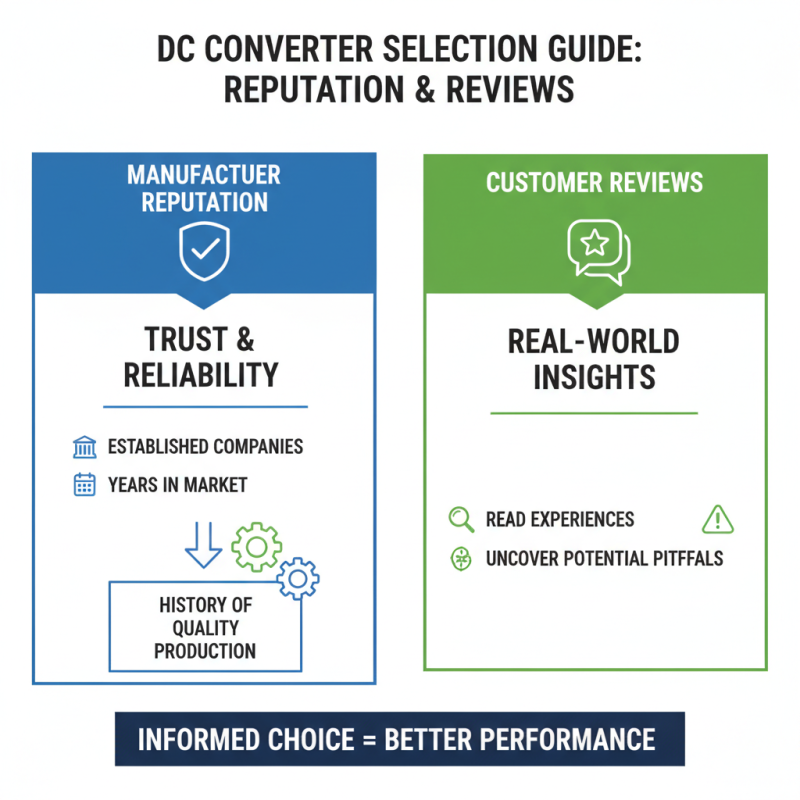
When selecting a DC converter, evaluating a manufacturer's reputation is vital. A strong reputation often signals reliability. Look for established companies with years in the market. These manufacturers typically have a history of quality production. Customer reviews can reveal potential pitfalls. Reading experiences from others helps form a clearer picture.

Customer feedback provides insights that specifications may not cover. Positive reviews can indicate a superior product, while negative feedback may unveil design flaws. Watch for recurring themes in reviews. Are there issues with heating, efficiency, or installation? These details can guide your choice. Keep in mind, not all reviews will be trustworthy. Some may be biased or manipulated.

Consider the source of the reviews. Trusted forums and tech websites often provide thorough analysis. They discuss performance in real-world scenarios. This information can be invaluable. Reflecting on both good and bad reviews will offer a balanced perspective. By weighing these insights, you can make an informed decision.