7 Tips for Choosing the Best Sewer Line Cleaning Machine?
A sewer blockage rarely arrives at a convenient time. It may begin as a slow basement drain, then reveal roots, grease, or a damaged pipe several feet underground. Choosing the right Sewer Line Cleaning Machine can help crews clear obstructions efficiently, but machine size and power are not the whole story. Pipe diameter, access points, blockage type, and operator training all matter. A large machine can be awkward in a tight basement. A compact one may lack the reach for a long run.
The need for dependable wastewater infrastructure is substantial. The U.S. EPA’s 2022 Clean Watersheds Needs Survey estimated $630.1 billion in water-quality infrastructure needs over 20 years, covering wastewater, stormwater, and related systems. That figure does not measure demand for cleaning machines, but it underscores the scale of infrastructure work. For buyers, the practical details deserve close attention: cable or hose length, compatible pipe sizes, cleaning method, transport weight, maintenance access, and available safety features. A showroom demonstration can be useful. It cannot reproduce every real blockage. Some specifications also look impressive on paper but matter little for a particular crew’s daily jobs. The following seven tips focus on matching equipment to actual conditions, checking manufacturer claims, and weighing operating costs—not just the initial price. A little skepticism helps.
Types of Sewer Line Cleaning Machines and Their Uses
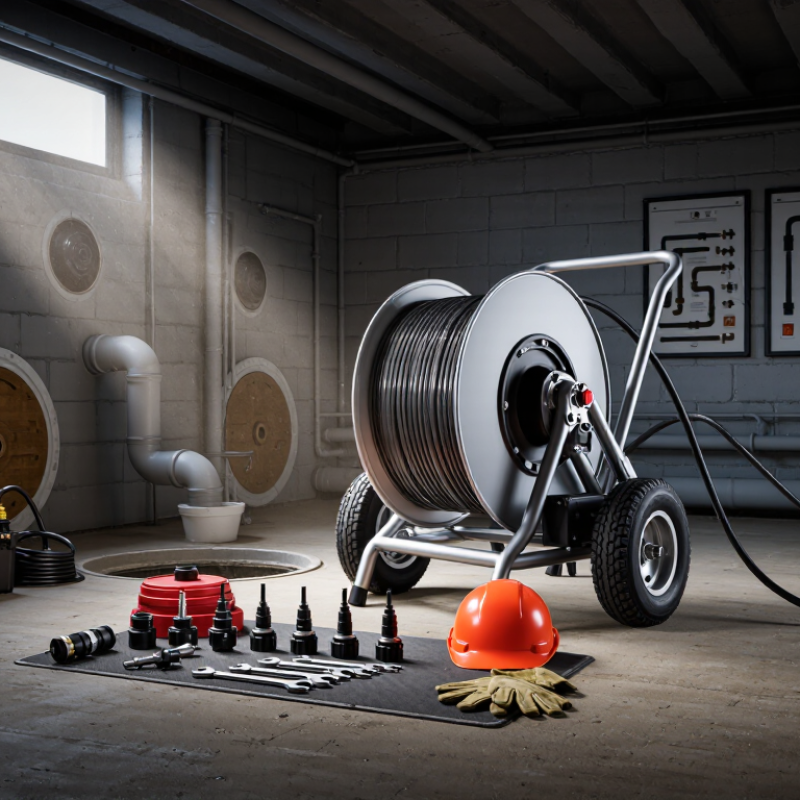
Sewer cleaning machines differ by reach, force, and the debris they can remove. Sectional rod machines use short, rigid cable sections, making them useful in tight indoor spaces and smaller drains. Operators can fit cutters to break up roots or scrape grease. Drum and continuous-cable machines suit longer building laterals, where flexible cable can travel farther. They are not interchangeable. A cutter that is too large can damage fragile pipe.
High-pressure water jetters use focused water streams to loosen grease, silt, and soft deposits, then flush debris downstream. They are often chosen for larger lines, but operators need to control pressure and manage the resulting wastewater. For municipal mains, combination vacuum trucks pair jetting with debris recovery. Less mess, when access allows. Pipe diameter, material, bends, and the blockage itself should guide the choice—not machine power alone.
The scale of aging infrastructure helps explain why matching equipment matters. The U.S. Environmental Protection Agency’s 2022 Clean Watersheds Needs Survey estimated $630.1 billion in wastewater infrastructure needs over 20 years. The American Society of Civil Engineers’ 2021 Infrastructure Report Card gave wastewater infrastructure a D+ grade and noted roughly 400,000 miles of public sewer pipes. Those figures describe system-wide needs, not machine performance. A camera inspection before cleaning can reveal offsets or cracks; skipping it may save time, but it can also leave crews guessing.

Assess Pipe Size, Blockage Type, and Cleaning Needs
Measure the pipe. Check its diameter, length, and material before comparing machines. A narrow household drain may suit a compact cable machine; larger sewer laterals often need greater reach and torque. Older clay or brittle pipes call for gentler handling than sound cast iron. Confirm access points and bends, too, because long cables can bind in tight turns. Details matter.
Then identify what is blocking the flow. Grease and soft buildup respond differently from roots, scale, or compacted debris. A cutter may clear roots, but aggressive tooling can damage a weakened pipe. For recurring clogs, a camera inspection can show whether cleaning addresses the cause or only the symptom.
Match the machine to the cable diameter, cutter size, and expected job length. Consider how often it will be used and who will operate it. Mechanical cleaning or water jetting may suit different lines. Use protective gloves and eye protection, and feed the cable steadily; rushing can kink it or worsen a blockage. Even experienced operators miss things. That is worth remembering.
Compare Power, Cable Length, and Cleaning Capacity
A sewer line cleaning machine should match the job, not just look powerful. The EPA’s 2022 Clean Watersheds Needs Survey reported $630.1 billion in documented U.S. water-quality infrastructure needs over 20 years. That figure is not a machine-buying guide, but it shows why dependable maintenance matters. Compare motor power with the material you expect to clear: grease and soft buildup need less force than intrusive roots or packed debris. More power is not always better. It can make a cable harder to control in a narrow or fragile pipe.
Cable length should cover the full run, including bends, with a little spare reach. Too short, and the blockage remains out of reach; too long, and extra cable can kink or become difficult to manage. Check the cable diameter against the pipe and the machine’s operating instructions. Cleaning capacity also depends on pipe diameter, blockage type, and how long the machine can run without overheating. Ask suppliers for rated pipe-size ranges and duty-cycle details, not just horsepower. Measure the route. A common mistake is choosing the longest cable available, then discovering it is poorly suited to the line. There is no perfect rating for every property, so verify the machine against the pipe material and access points before purchase.
Check Safety Features, Ease of Use, and Maintenance
7 Tips for Choosing the Best Sewer Line Cleaning Machine?
Safety deserves more than a quick glance at the emergency stop. Check for a cable guard, a foot-pedal cover, and controls that stop rotation promptly. In wet work areas, verify the electrical protection and follow the machine’s instructions. NIOSH’s confined-space fatality reviews report that more than 60% of deaths involved would-be rescuers. That figure concerns confined spaces, not cleaning machines specifically, but it underlines why safe access and rescue planning matter. Never treat a machine’s safety features as a substitute for checking the work area.
Ease of use shows up in small moments: guiding a cable around a tight bend, moving the unit over a threshold, or reaching the reverse control without letting go. Look for stable wheels, clearly marked controls, and a feed mechanism that feels manageable with your usual cable size. Try the controls before buying, if possible. A feature list can’t tell you how awkward a handle feels after an hour. Keep it simple.
Maintenance affects both reliability and safety. Ask how often the cable, drum, guards, and power cord need inspection, and whether routine parts are easy to reach. OSHA’s machine-guarding guidance stresses protecting workers from moving parts; a damaged or missing guard should never be shrugged off. Keep a basic inspection log and clean the machine after use, especially when debris collects around the drum. One point is easy to miss: maintenance schedules help, but they don’t replace checking for wear before each job.
7 Tips for Choosing the Best Sewer Line Cleaning Machine? - Check Safety Features, Ease of Use, and Maintenance
| Tip | What to Check | Why It Matters | Practical Check |
|---|---|---|---|
| 1. Match the machine to the pipe and blockage | Confirm the machine’s stated pipe-diameter range, cable or hose size, and compatible cleaning heads. Consider whether the blockage is grease, roots, scale, or another obstruction. | A tool that is too large or unsuitable for the pipe may not pass through bends or may damage a fragile line. Different blockages can require different cleaning tools. | Check the pipe material, diameter, access point, and likely blockage type before comparing machines. Follow the manufacturer’s operating limits. |
| 2. Check essential safety features | Look for appropriate guards, a ground-fault circuit interrupter (GFCI) or equivalent electrical protection where applicable, accessible controls, and clear emergency-stop instructions. | Drain-cleaning cables can catch, twist, or whip, while powered equipment used near water presents electrical hazards. Safety features help reduce, but do not eliminate, these risks. | Read the safety instructions and verify the power requirements and electrical protection needed for the intended worksite. |
| 3. Choose a manageable operating setup | Compare machine weight, handle and wheel design, cable-feed controls, and the space needed to position the unit at a cleanout. | Equipment that is difficult to move or control can slow work and make operation less comfortable, especially in tight indoor spaces. | Consider access stairs, vehicle loading, doorway width, and whether one person or a team will move and operate the machine. |
| 4. Evaluate reach and cable or hose handling | Check the usable cable or hose length, feed method, compatible extensions, and how the machine stores and retrieves it. | Insufficient reach may prevent access to the blockage; poor cable handling can increase tangling and handling risks. | Estimate the distance from the access point to the problem area, including bends, and confirm the machine is designed for that configuration. |
| 5. Look for clear controls and useful feedback | Review the clarity of speed or feed controls, direction indicators, operating instructions, and any available visual inspection options. | Intuitive controls can help operators work more consistently. A camera inspection system, when available, can help assess pipe condition and cleaning results. | Check whether controls can be reached from the operating position and whether instructions explain setup, use, and shutdown. |
| 6. Assess routine maintenance needs | Find out how to inspect and clean the cable or hose, replace wear parts, lubricate moving components, and store the machine. | Regular inspection and cleaning help identify wear or damage before the next use and support reliable operation. | Review the maintenance schedule and confirm that replacement parts and service information are available for the expected ownership period. |
| 7. Compare total ownership and training requirements | Consider purchase or rental cost, consumables, repairs, storage, power needs, warranty terms, and operator training. | The initial price alone does not reflect the full cost of keeping equipment ready and using it safely. | Compare the complete setup required for your jobs, and ensure operators are trained to follow the machine instructions and applicable workplace safety procedures. |
Safety note: Wear suitable personal protective equipment and follow the machine instructions and applicable electrical and workplace safety requirements. Stop work if the cable, machine, or pipe shows signs of damage.
Evaluate Cost, Durability, and After-Sales Support
Choosing a sewer line cleaning machine means pricing its full service life, not just the purchase invoice. Include cutter heads, cables or hoses, power, routine servicing, and expected downtime. The U.S. EPA’s 2022 Clean Watersheds Needs Survey estimated $630.1 billion in wastewater and stormwater infrastructure needs over 20 years. That scale makes reliable maintenance equipment a practical investment. Still, a national estimate cannot tell you which machine fits your crew.
Assess durability against the actual work: pipe diameter, common blockage types, access conditions, and hours of daily use. Check frame welds, hose or cable replacement costs, and whether wear parts are readily available. Ask for a written warranty and clear service turnaround times. A low initial price can become expensive when a repair leaves a crew waiting. That trade-off is easy to underestimate.
Tip: Compare total ownership costs over several years, not just sticker prices. Request service records or a live demonstration. Confirm who handles repairs, what parts are stocked, and how quickly technical support responds. Keep the answers in writing. I’d also revisit the estimate after a season; real wear may challenge your assumptions.
Article Source:
At Premium PSU, we are specialists in designing and manufacturing power conversion systems for the industrial market. Our product range includes high reliability power supplies from 50W to 72kW.
PREMIUM PSU
C/ Dolors Aleu, 19-21, 2nd Floor
08908 – Hospitalet de Llobregat
Barcelona-SPAIN
t.+34 93 223 26 85