How to Choose the Best UPS Power Supply for Your Needs?

When selecting an uninterruptible power supply (UPS power supply), many factors come into play. John Smith, a renowned power protection expert, once stated, “A reliable UPS power supply is essential for safeguarding your critical data.” The importance of choosing the right UPS cannot be overstated.

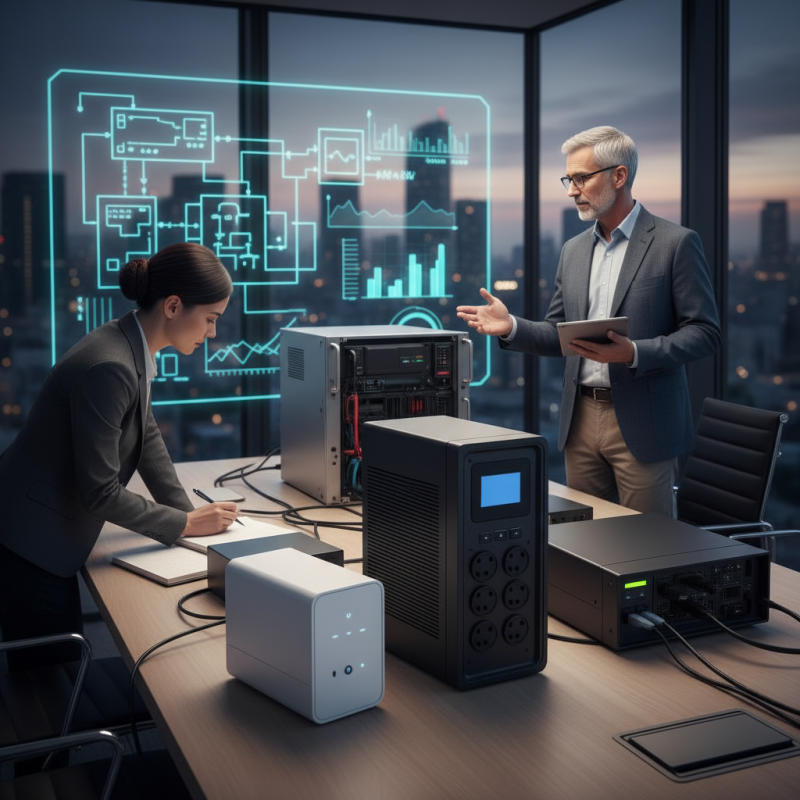
You need to consider your power requirements. Not every UPS is built the same. Some are designed for small devices, while others cater to large systems. The right choice can vary widely based on your needs. Evaluating the total wattage and runtime can be complex. It’s vital to align these parameters with your specific applications.

You may face challenges during this selection process. Specifications can be overwhelming. Features may seem confusing and overwhelming. You might end up choosing a model that doesn’t fully meet your needs. Reflecting on user reviews can guide your decision. Ultimately, making the best choice requires careful thought and reflection on your unique requirements.
How to Choose the Best UPS Power Supply for Your Needs?

Understanding the Different Types of UPS Systems Available
How to Choose the Best UPS Power Supply for Your Needs?

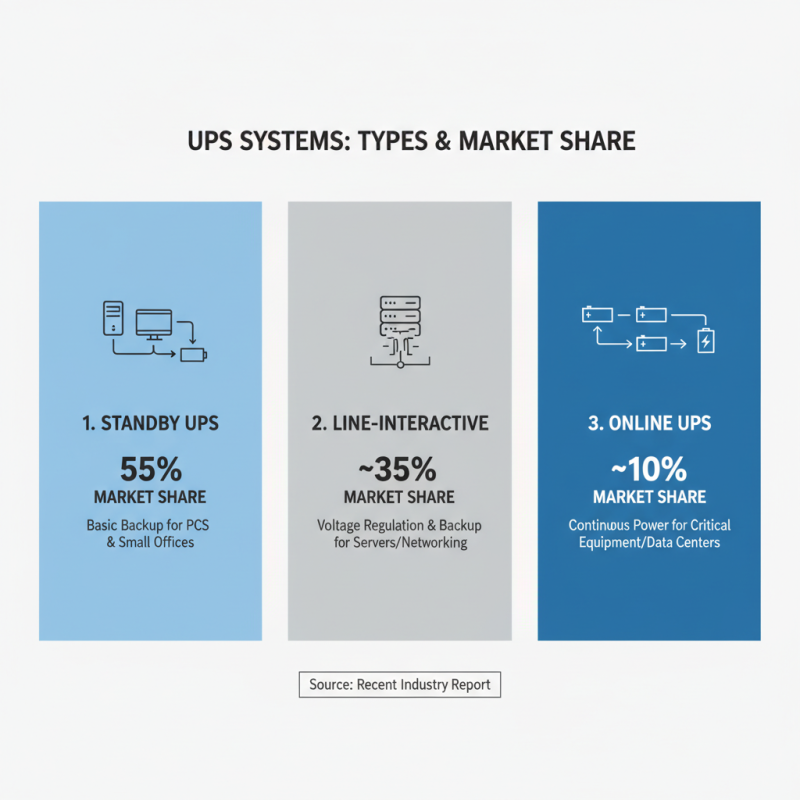
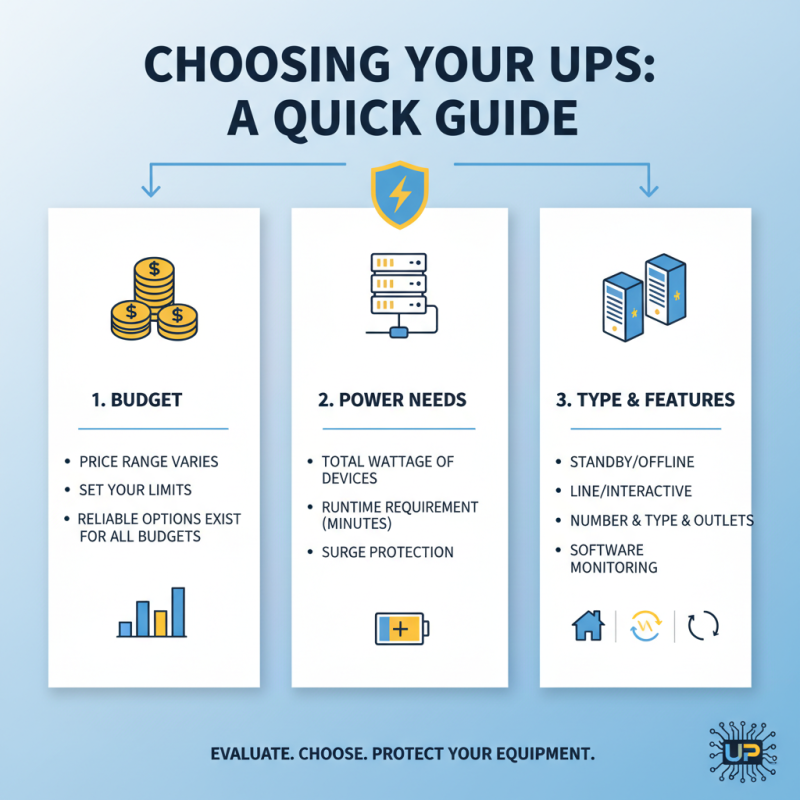
When selecting a UPS (Uninterruptible Power Supply), understanding the types available is crucial. There are three primary types: Standby, Line-Interactive, and Online UPS. According to a recent industry report, Standby UPS systems account for roughly 55% of the market, primarily used for personal computers and small office setups. They provide basic battery backup during outages.

In contrast, Line-Interactive systems can automatically adjust voltage fluctuations. These systems are popular in small to medium-sized businesses. According to market data, they represent nearly 30% of UPS usage. They offer better protection and are often more cost-effective than Online versions. However, they may not suffice for highly sensitive equipment.

Online UPS systems, responsible for about 15% of the market, deliver constant power. They convert incoming AC power to DC, then back to AC, ensuring no interruption occurs. This system is essential for data centers or critical applications. With 24/7 uptime as a priority, the investment can be substantial. Yet, many businesses hesitate due to the cost vs. perceived need. Choosing the right type depends on your specific power requirements and budget constraints. The options are there, but the best choice may be unclear.
Assessing Your Power Requirements and Load Capacity

Choosing the right UPS power supply involves a careful assessment of your power needs and load capacity. Understanding the total wattage requirements of your devices is essential. For example, a typical workstation may require anywhere from 250 to 600 watts. If devices like monitors, routers, and external drives are involved, the load can increase significantly. It’s often necessary to add an extra 20% to your total load for safety and efficiency.

Another aspect to consider is the runtime during power failures. Reports indicate that many UPS systems operate effectively within a load range of 30-70%. If you overstress the UPS, it may not provide adequate backup time during outages. For example, if you require at least 30 minutes of runtime, ensure your load does not exceed recommended limits. Some setups may need regular reevaluation. Users often underestimate future expansion needs, especially in growing businesses.

Finally, while it's tempting to opt for the cheapest solution, potential issues may arise. Skimping on capacity could lead to failed protection. According to industry analysis, around 30% of organizations report inadequate UPS systems failed during a critical power outage. Regular assessments of your load capacity and power requirements are crucial to keep your systems running smoothly and effectively.

Power Supply Capacity Requirements

Evaluating UPS Features: Runtime, Output Waveform, and Connectivity

When selecting a UPS power supply, understanding its features is crucial. Runtime is a major factor. It indicates how long the UPS can power your devices during an outage. For instance, a model with a runtime of only 10 minutes may not be sufficient for tasks like saving work or shutting down safely. You might find yourself rushing, which can lead to mistakes. Consider how long you actually need power during an outage.


Output waveform is another essential feature. It determines how well the UPS can support your devices. Pure sine wave outputs are ideal for sensitive electronics. However, if you only need basic protection, a simulated sine wave may suffice. Think about your equipment’s needs. Choosing the wrong waveform could cause failures or damage.


Connectivity options are worth evaluating too. Some UPS units offer USB ports for monitoring, while others provide network interfaces. This allows for remote management. Yet, having too many features can be overwhelming. Focus on what truly benefits your setup. Balance simplicity with functionality in your choices.

Comparing Brands and Budget Considerations for UPS Purchases

How to Choose the Best UPS Power Supply for Your Needs?

Choosing the right UPS (uninterruptible power supply) can be daunting. It’s essential to evaluate your needs carefully. One critical factor is your budget. High-quality UPS solutions can vary significantly in price. A lower budget may limit your options, but you can still find reliable units.

Consider your power requirements carefully. Do you need backup for a single device or several? Consumer-grade UPS units are generally cheaper, but they may not offer the same durability as higher-end models. Think about how long you need backup power during an outage. A short runtime might suffice for minimal devices.

Tips: Focus on essential features like surge protection and capacity. These aspects can affect performance. Check your local market for promotions or bundled packages. Sometimes, you can save money by purchasing more than one UPS unit for different applications. Reflect on your usage patterns. Are you overestimating your needs? Getting the right UPS requires honest assessments of both your current and future needs.

Maintenance and Support Options for Your UPS Power Supply

When considering the maintenance and support of your UPS power supply, it’s crucial to evaluate your options carefully. Regular maintenance can significantly extend the lifespan of your unit. Ensure that you schedule routine checks every few months. This helps to identify issues before they become major problems. If your UPS shows any signs of wear, take prompt action. Ignoring these signs can lead to costly downtime.

Tips: Keep a maintenance log. Document any issues you encounter. This will help you track patterns or recurring problems. Stay informed about the typical lifespan of your components. Replacement batteries may be needed every few years, depending on usage.

Support options are equally important. Check if your supplier offers technical support. This can be invaluable when troubleshooting. Online resources can also provide quick answers. Don’t hesitate to reach out for help when unsure. It’s better to ask than assume everything is fine. Invest time in understanding your UPS features. This knowledge can prove essential during a crisis. Remember, a well-supported UPS can save your operations from unforeseen interruptions.