How to Choose the Best Van Truck in 2026?
Choosing the best Van Truck in 2026 requires more than comparing prices and engine sizes. The right model must match your daily routes, cargo weight, parking conditions, and maintenance resources. A florist making short urban deliveries needs different features from a contractor carrying tools across regional highways. The decision begins with real work, not showroom impressions.
Pay close attention to payload capacity, internal dimensions, turning radius, and door design. Measure your largest equipment before visiting a dealer. A few extra centimeters can prevent costly loading problems later. Electric models may reduce local running costs and offer quiet operation, but charging access remains a practical concern. Diesel and gasoline options can provide longer range, although fuel expenses and emissions requirements need careful review. Safety technology also matters, including automatic emergency braking, blind-spot monitoring, strong visibility, and stable handling under load.
A reliable purchase should include verified specifications, warranty details, service coverage, and independent road tests. Speak with fleet operators who use similar vehicles every day. Their feedback often reveals weak hinges, uncomfortable seats, or disappointing range. Do not trust a brochure alone. There is no perfect choice. My initial preference might change after testing a fully loaded vehicle on narrow streets or steep roads. A thoughtful comparison considers total ownership cost, driver comfort, resale value, and business growth. This guide explains how to evaluate each factor clearly, helping buyers select a Van Truck that performs reliably in real working conditions.
Understanding Van Truck Types and Their Primary Uses
How to Choose the Best Van Truck in 2026?
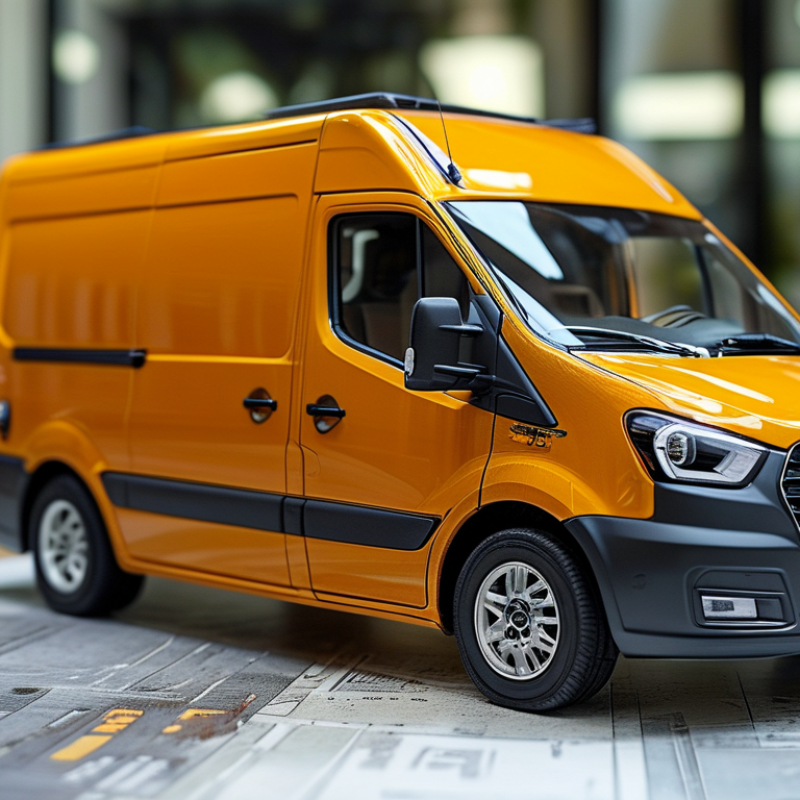
Choosing the best van truck starts with its body type and daily working conditions. A compact panel van suits urban deliveries, service calls, and narrow parking areas. Its enclosed cargo space protects tools and parcels from rain, dust, and curious hands. In my experience, adjustable shelving improves access during busy routes. Small details matter.
A high-roof van provides standing room for mobile workshops and equipment-based services. It reduces bending, although its added height may limit access to older garages. A refrigerated van supports food transport, medical supplies, and other temperature-sensitive goods. Temperature control matters. Insulation, cooling capacity, and door-opening frequency affect performance. Many buyers overlook the lost cargo space inside insulated walls.
A chassis cab with a box body carries bulky, stackable loads efficiently. It fits wholesale deliveries, furniture transport, and regular commercial routes. An open utility body works better for construction materials, ladders, and outdoor equipment. However, exposed cargo needs secure storage and weather protection. Check payload, axle limits, interior dimensions, and turning radius before ordering. These figures deserve real-world testing, not just spreadsheet comparisons. A practical test load may reveal poor balance or difficult access. I would also inspect step height, lighting, tie-down points, and driver visibility. The ideal van truck can still feel wrong after a full workday.
Comparing Powertrains, Payload, Capacity, and Fuel Efficiency
How to Choose the Best Van Truck in 2026?
Choosing a van truck starts with its powertrain, not its dashboard. Diesel models often suit heavy loads and long highway routes. Gasoline options may cost less initially and perform well in mixed driving. Electric powertrains can reduce local operating costs, especially on predictable urban routes. However, charging time and cold-weather range deserve careful attention. A promising range figure may shrink under winter heating, steep roads, or constant payload.
Payload should be calculated, not guessed. Check the gross vehicle weight rating, curb weight, passengers, tools, and cargo together. A van carrying 1,200 kilograms needs more than a generous brochure claim. Suspension response also matters. During a practical inspection, place your normal equipment inside and watch the rear ride height. Uneven loading can affect braking, tire wear, and handling. I once underestimated shelving weight; the mistake was small on paper but obvious on a steep driveway.
Interior capacity must match the cargo shape. Measure floor length, door width, and wheel-arch space before choosing a body. Tall parcels may require more roof height, while dense materials demand stronger payload support. Fuel efficiency depends on reality: speed, traffic, idling, tire pressure, and load all matter. Compare energy use across your actual route, not only laboratory figures. A short test drive is useful, but a loaded route is better. Sometimes the efficient choice is not the newest one. It may be the vehicle that wastes less time charging, refueling, or rearranging cargo.
How to Choose the Best Van Truck in 2026?
Compare representative van configurations by powertrain, payload, cargo capacity, and energy use. Values are class-based estimates; actual specifications vary by body size, battery capacity, equipment, and load.
How to read the chart: Higher payload and cargo capacity are useful for heavier or bulkier loads. Combustion models show fuel use in L/100 km, while the electric model shows electricity consumption in kWh/100 km, so energy figures should not be compared as identical units.
Calculating Total Ownership Costs and Choosing the Right Model
How to Choose the Best Van Truck in 2026?
Choosing the best van truck in 2026 starts with ownership cost, not showroom price. A low purchase price can hide expensive fuel, tires, insurance, servicing, and downtime. I once underestimated loading delays; those lost workdays cost more than expected repairs. Use real route data, including annual mileage, average payload, idle hours, tolls, and parking fees. Then estimate five-year costs. Include financing interest and resale value. Be conservative. Forecasts are rarely perfect.
Match the model to the work, not the image. Measure cargo length, door height, turning space, and axle load requirements. A compact van may reduce fuel use in cities, but it can force extra trips. A larger model may carry more, yet waste money when half empty. Compare payload after adding shelves, refrigeration, tools, and passengers. Check service access, warranty terms, safety equipment, and local parts availability. Ask an experienced operator to review the worksheet. One missed detail matters.
Tips: Get three insurance quotes. Track fuel for four weeks. Price scheduled maintenance and common wear items. Test the vehicle on your actual route, including narrow streets and steep ramps. Leave a repair reserve. Do not assume electric or alternative-fuel operation is automatically cheaper. Charging access, weather, payload, and energy prices can change the result. Recheck your calculations after a real test drive.