
How to Choose the Best Wine Storage Fridge?
Choosing the best Wine Storage Fridge is not simply a matter of picking the coldest appliance. Wine needs steady conditions, not dramatic temperature swings. A bottle resting near a warm kitchen window may age differently from one kept in a stable cellar. The right fridge should protect flavor, aroma, and long-term quality.
Jancis Robinson MW, a respected wine writer and educator, has stated, “The ideal temperature for storing wine is 10–15°C.” This practical range gives shoppers a useful starting point. However, temperature is only one part of the decision. A dependable Wine Storage Fridge should also provide consistent humidity, limited vibration, UV-resistant glass, and enough space between bottles. Consider adjustable shelves, too. A Burgundy bottle may not fit where a standard Bordeaux bottle sits comfortably.
Think about your real collection. Do you store delicate whites, sparkling wine, full-bodied reds, or opened bottles for short periods? Different wines may benefit from separate temperature zones. Compressor noise can also matter in a dining room or apartment. It is easy to overlook this detail until the fridge hums through dinner.
Not every attractive model performs equally well. Some displays look luxurious but offer weak insulation or confusing controls. I would also question any product promising perfect aging without proper room conditions. Wine storage is more forgiving than many advertisements suggest, yet careless placement can still cause problems. Compare temperature stability, capacity, warranty support, and energy use before buying. The best choice is the fridge that quietly matches your drinking habits, available space, and willingness to adjust over time.
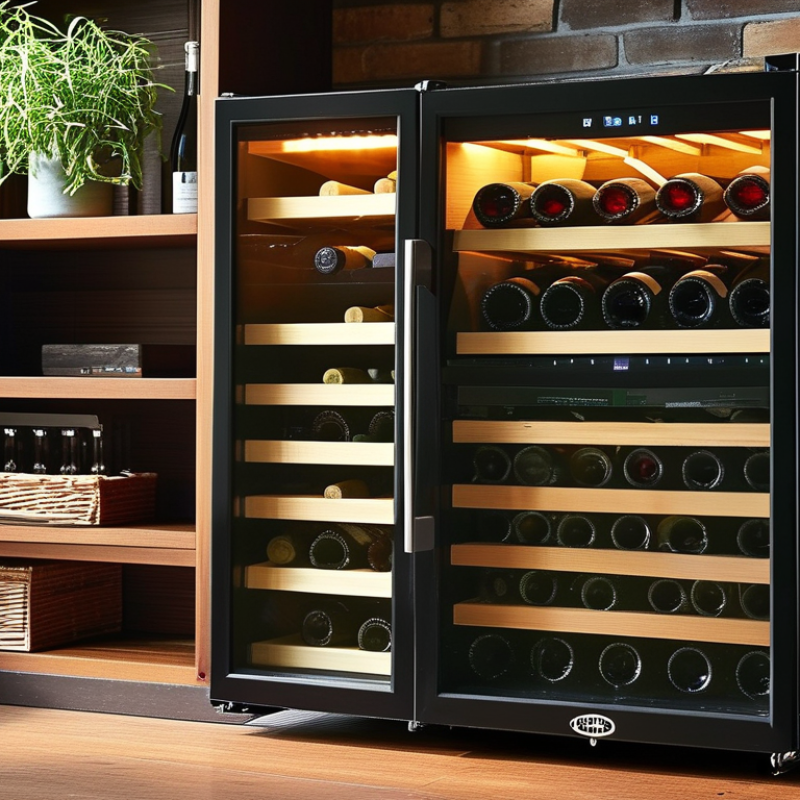
Define Your Wine Storage Needs and Available Space
How to Choose the Best Wine Storage Fridge?
Choosing a wine storage fridge starts with your actual storage needs. Count the bottles you own today, then estimate your collection’s growth over the next three years. A small shelf may look sufficient now. It can become frustratingly crowded later.
Measure the available space carefully. Record the height, width, and depth of the opening. Include door clearance and ventilation space around the unit. Do not rely on visual estimates. My first measurement missed the baseboard, and the fridge could not sit flush against the wall. That mistake was avoidable.
Think about bottle variety, too. Standard bottles fit most shelves, but wider bottles need extra room. Sparkling and larger-format bottles often require flexible shelf arrangements. A single temperature zone may suit a modest collection with similar storage preferences. Separate zones can help when you store different wine styles. However, more features usually mean higher cost and greater energy use.
Location affects performance. Keep the fridge away from ovens, radiators, direct sunlight, and damp areas. Stable temperatures matter more than a dramatic display. Look for steady cooling, low vibration, UV-resistant glass, and reliable humidity control. Excessive dryness may weaken corks, while excessive moisture can encourage mold. Digital controls are useful, but a separate thermometer can verify accuracy. It is easy to trust a display too quickly. Check the temperature for several days before storing valuable bottles.
How to Choose the Best Wine Storage Fridge? - Define Your Wine Storage Needs and Available Space
| Wine Storage Need | Recommended Capacity | Recommended Temperature | Humidity Guidance | Useful Features | Typical Space Requirement |
|---|---|---|---|---|---|
| Occasional drinking Small collection for short-term use | 12–20 standard bottles | 10–13°C for mixed storage | Approximately 50–70% relative humidity | Compact shelving, stable thermostat, UV-resistant door | Countertop or under-counter area; allow ventilation around the unit |
| Regular home use Red, white, and sparkling wines | 30–50 standard bottles | 10–13°C for storage; separate serving zones are preferable | Approximately 50–70% relative humidity | Pull-out shelves, low-vibration operation, interior light, dual temperature zones | Freestanding or built-in installation; measure width, height, depth, and door swing |
| Mixed wine collection Different styles requiring serving flexibility | 50–100 standard bottles | Red wine: 15–18°C; white wine: 7–12°C; sparkling wine: 5–8°C | Approximately 50–70% relative humidity | Two temperature zones, adjustable shelves, lock, digital controls, temperature alarm | Full-height or wide under-counter space; check electrical access and heat clearance |
| Long-term aging Wines intended to mature over several years | 50–150+ standard bottles | 10–13°C with minimal fluctuation | Approximately 50–70% relative humidity | Precise temperature control, solid or UV-protective door, low vibration, stable racks | Dedicated floor space with adequate air circulation and protection from heat sources |
| Large or expanding collection Frequent purchasing and bottle rotation | 150–300+ standard bottles | 10–13°C for general storage, with separate serving zones if needed | Approximately 50–70% relative humidity | Modular shelving, inventory visibility, multiple zones, alarm system, energy monitoring | Dedicated room or cellar-style installation; plan for flooring, ventilation, access, and future growth |

Compare Fridge Types, Capacities, and Bottle Arrangements
Choosing a wine storage fridge starts with bottle behavior, not advertised capacity. The OIV’s 2023 report recorded global wine consumption at about 221 million hectolitres, showing how varied modern collections can be. A serious buyer should count current bottles, then add room for growth. A 30-bottle fridge may hold fewer mixed-format bottles, because sparkling, Burgundy, and magnum bottles occupy wider spaces.
Single-zone fridges suit collections focused on one serving range, usually around 10–15°C. WSET guidance supports this broad storage range for many wines. Dual-zone models help when whites need cooler service temperatures while reds remain slightly warmer. However, separate compartments often reduce usable capacity. More control can mean less space.
Bottle arrangement matters. Sliding shelves offer easier access, but fixed shelves usually store more bottles. Horizontal storage keeps corks from drying, although already opened bottles need different handling. Count shelves, shelf spacing, and door clearance. Do not trust the front label alone. Capacity figures often assume identical Bordeaux-style bottles. In practice, I usually reduce the stated capacity by 20% for a mixed collection. I still miscalculate sometimes. A crowded bottom shelf can turn one careful purchase into a frustrating daily search. Reserve space for labels, airflow, and bottles you will actually reach.
How to Choose the Best Wine Storage Fridge?
Compare fridge types, capacities, and bottle arrangements using typical storage ranges for standard 750 mL Bordeaux-style bottles. Mixed bottle shapes usually reduce practical capacity because Burgundy, Champagne, and larger-format bottles require more horizontal space.
How to read the chart: Compact units suit occasional drinkers, while undercounter and freestanding fridges provide more flexible storage. Dual-zone models are useful when red and white wines need different serving temperatures. Leave room between oversized bottles and avoid relying on the advertised maximum if your collection includes many Champagne or Burgundy bottles.
Evaluate Temperature Zones, Humidity, and Climate Stability
Choosing a wine storage fridge starts with temperature control, not appearance. A stable environment protects flavor, aroma, and aging potential.
For mixed collections, two temperature zones offer practical flexibility.
Keep sparkling and lighter whites near 7–10°C. Store fuller whites and reds around 12–16°C. These ranges are useful guides, not rigid rules. Some wines respond differently, so check the producer’s advice when available. A single-zone fridge can work well for one wine style. It may be more reliable than a poorly designed dual-zone model.
Humidity also deserves attention.
Aim for roughly 50–70% humidity when bottles use natural corks. Excessively dry air can shrink corks and encourage oxidation. Too much moisture may damage labels and encourage mold around the cabinet. The fridge should also limit vibration and protect bottles from light.
I once ignored humidity because the temperature looked perfect. The corks later taught me otherwise.
Climate stability matters more than a briefly impressive temperature reading.
Look for consistent cooling, a tight door seal, and insulation that reduces daily swings. Place the fridge away from ovens, windows, and direct sunlight. Leave space around its ventilation area.
I still check the internal temperature with an independent thermometer. Built-in displays can be useful, but they are not always precise. A fridge that recovers slowly after opening may struggle in a warm room.
That detail is easy to miss during a showroom test.
Check Energy Use, Noise Levels, Safety, and Maintenance
How to Choose the Best Wine Storage Fridge?
Energy use should be checked before cabinet size or appearance. Look for an energy label, annual consumption, and adjustable temperature zones. A well-insulated door reduces compressor activity and protects bottles from temperature swings. Measure the space carefully, including rear ventilation clearance. A tight installation may increase energy use and shorten equipment life. I once underestimated this clearance. That mistake caused warmer cabinet temperatures during summer.
Noise levels matter in kitchens, dining rooms, and open-plan apartments. Check the stated decibel rating, but remember that room acoustics can change your experience. A low hum may seem harmless at noon and irritating at night. Place the fridge on a stable, level surface. Inspect vibration from the compressor and fan after installation. Listen for several minutes. Short tests can mislead.
Safety features deserve practical attention. Choose stable shelves, a secure door seal, and child-resistant controls when needed. Keep the power cable dry and avoid overloaded sockets. Maintenance is simple but easily neglected. Clean the condenser area as directed, wipe spills quickly, and inspect the seal for gaps. Keep dust away. Record unusual sounds or temperature changes before calling a qualified technician. Temperature readings may also be inaccurate if the sensor is blocked by bottles. That detail is easy to miss. Regular checks protect both the appliance and the wine.
Match Features and Budget to Your Long-Term Storage Goals
Choosing a wine storage fridge starts with your drinking timeline, not its appearance. The OIV’s State of the World Vine and Wine Sector Report recorded global wine consumption at about 221 million hectolitres in 2023. That scale reflects a broad market, but your collection may remain modest. Measure your real buying habits before paying for unused capacity.
For short-term drinking, a compact fridge with stable temperature and adjustable shelves may be enough. For bottles stored beyond five years, prioritize low vibration, dark glass protection, and reliable temperature control. Aim for about 12–14°C, with limited daily fluctuation.
Humidity also matters when bottles use natural corks, although excessive moisture can damage labels and cabinetry. A dual-zone model sounds useful, but it may waste money if you rarely serve different wines at once.
Budget for the full system.
Include electricity, installation space, replacement seals, and future capacity. The 2024 State of the U.S. Wine Industry Report described a 3% decline in American wine consumption during 2023, reminding buyers that demand can change.
I once underestimated shelf depth and regretted it. Bottles are not always uniform. Leave breathing room. Check the manufacturer’s noise rating, warranty terms, and temperature recovery after door openings. Fancy controls are tempting, but dependable insulation usually protects long-term value better.
Article Source:
At Premium PSU, we are specialists in designing and manufacturing power conversion systems for the industrial market. Our product range includes high reliability power supplies from 50W to 72kW.
PREMIUM PSU
C/ Dolors Aleu, 19-21, 2nd Floor
08908 – Hospitalet de Llobregat
Barcelona-SPAIN
t.+34 93 223 26 85