
How to Choose the Right AC DC Power Supply for Your Needs?
Choosing the right AC DC power supply can be a daunting task. With numerous options available, making the right decision is crucial for your specific needs. Renowned expert in power supply technology, Dr. Emily Chen, emphasizes, “An ideal AC DC power supply is critical for ensuring device reliability and efficiency.”
Understanding the various specifications and features is essential. Each application may have different voltage and current requirements. It’s important to consider factors such as efficiency ratings, thermal performance, and safety features. A mismatch can lead to reduced performance or even device damage.
Perhaps you have experience choosing power supplies. Reflecting on previous purchases can help identify what truly matters. Did you prioritize price, or did performance take precedence? Learning from past decisions shapes future choices. By addressing these considerations, you can find an AC DC power supply that meets your demands.
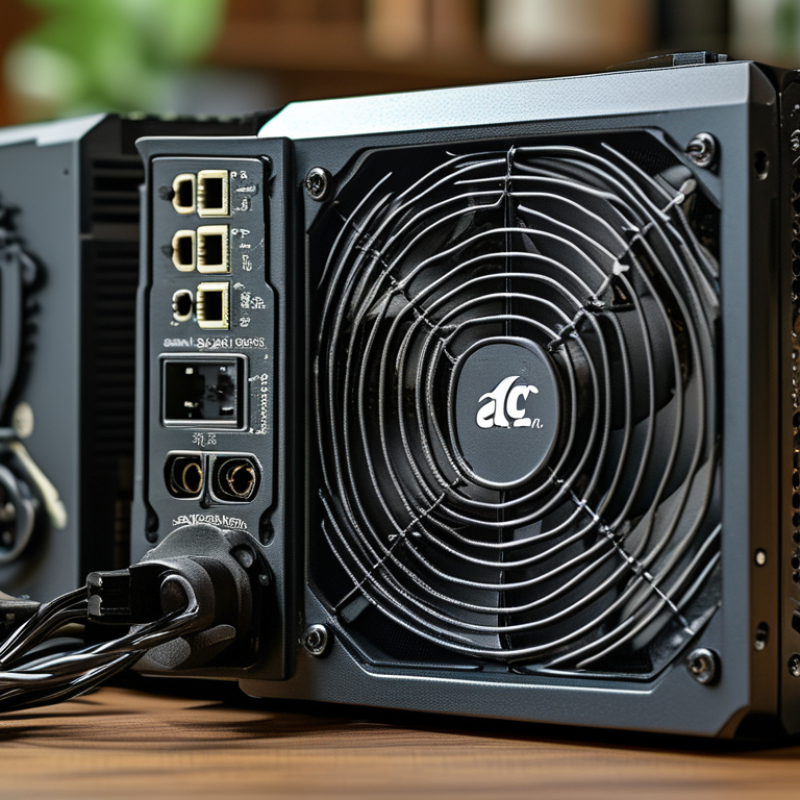
Understanding AC DC Power Supply Basics and Types
When choosing an AC DC power supply, understanding its basics is crucial. AC power supplies convert alternating current (AC) from the wall into direct current (DC) that powers electronic devices. These power supplies vary in efficiency, reliability, and application. According to a recent report, the global power supply market is projected to grow at a CAGR of 5.8% between 2023 and 2030. This reflects the increasing demand for efficient energy solutions across various industries.
Different types of AC DC power supplies serve specific needs. For instance, switch-mode power supplies (SMPS) offer high efficiency and are compact, making them ideal for consumer electronics. In contrast, linear power supplies provide stable output voltage but can be bulky and less efficient. A survey indicated that nearly 60% of engineers preferred SMPS for their projects due to versatility. However, engineers must consider their power requirements, including voltage and current ratings.
Users often overlook the importance of heat management. Inadequate cooling can lead to premature failure. Understanding the thermal characteristics of a power supply remains essential. Evaluating output ripple and noise can also be challenging. Detailed specifications should guide users in selecting the right option for their unique applications.
AC DC Power Supply Types Comparison
Key Specifications to Consider: Voltage, Current, and Power Ratings
Choosing the right AC DC power supply involves understanding key specifications. Voltage is crucial. It must match your device's requirements. A mismatch can lead to inefficient performance or damage. Measure your device's voltage needs accurately. This ensures reliable functionality.
Current ratings also matter. They determine the power supply's capability to handle demand. Insufficient current can cause devices to underperform. Conversely, excessive current might lead to overheating. Always select a power supply that meets or slightly exceeds your device's current requirements.
Power ratings combine voltage and current. They indicate the total power output available. This specification affects performance directly. Some users overlook it, which can lead to frustration. Test various configurations to see what fits best. A well-chosen power supply enhances device longevity and efficiency. Balancing these factors requires careful consideration and adjustment.
How to Choose the Right AC DC Power Supply for Your Needs?
| Specification | Description | Example Values |
|---|---|---|
| Voltage | The electrical potential difference measured in volts (V) that the power supply needs to provide. | 5V, 12V, 24V, 48V |
| Current | The flow of electric charge measured in amperes (A) that the power supply can deliver. | 0.5A, 1A, 5A, 10A |
| Power Rating | The maximum output power the power supply can provide, measured in watts (W). | 10W, 50W, 100W, 500W |
| Form Factor | The physical shape and size of the power supply unit. | Wall-mounted, Desktop, Rack-mounted |
| Efficiency | The ratio of output power to input power, expressed as a percentage. | 80%, 90%, 95% |
Identifying Your Application Needs: Industrial vs. Consumer Electronics
When selecting an AC DC power supply, understanding your application needs is crucial. Industrial applications often require robust and durable solutions. For instance, a report by the International Electrotechnical Commission indicates that industrial power supplies typically operate between -20°C to 70°C. This range accommodates extreme conditions. These devices often undergo rigorous testing to ensure reliability.
In contrast, consumer electronics demand efficiency and compact designs. The Consumer Electronics Association states that power supplies for home devices should prioritize energy efficiency, often meeting ENERGY STAR standards. Compact designs reduce the space needed for installation, essential in modern appliances. However, consumers might overlook the importance of output stability. Unstable output can lead to device malfunctions or reduced lifespan.
A common issue arises in miscalculating power requirements. Many overlook voltage and current ratings, leading to inadequate performance. Additionally, some users fail to consider future expansion. As technology evolves, flexibility becomes vital. If not addressed, these oversights can disrupt operations or increase costs unexpectedly. Understanding these nuances is key to choosing the right power supply.
Efficiency Ratings and Their Impact on Power Supply Selection
When selecting an AC DC power supply, efficiency ratings play a crucial role. A higher efficiency rating indicates that the power supply wastes less energy as heat. This not only saves on electricity costs but also improves the reliability of your equipment. Choosing a unit with at least an 80% efficiency rating is advisable for most applications. Often, power supplies fall within certain efficiency classifications, such as Bronze, Silver, Gold, or Platinum. Each tier has specific efficiency requirements, making it easier to benchmark options.
Tips: Check if your device can accommodate a more efficient power supply. Sometimes, opting for a slightly higher cost upfront has significant long-term savings.
It's essential to consider how the efficiency impacts performance under load. Power supplies may not maintain high efficiency at lower loads. This could lead to inefficiencies during idle times. A carefully chosen power supply should maintain efficiency across various load conditions.
Tips: Ensure the power supply meets your peak usage needs. Be mindful of its performance at lower loads, too. Understanding the load profile of your devices can streamline your selection process.
Safety Standards and Compliance: UL, CE, and Other Certifications
Choosing the right AC DC power supply involves understanding safety standards. Compliance with certifications like UL and CE is crucial for reliability. These certifications verify that products meet specific safety criteria. They reduce risks associated with electrical malfunctions.
A report by the International Electrotechnical Commission (IEC) indicated that 30% of electrical fires stem from non-compliant power supplies. These incidents highlight the need for certified products. In regions like Europe, CE marking is not just a preference; it's mandatory. Only compliant devices can enter these markets.
Failure to ensure proper certification can lead to significant safety hazards. For example, counterfeit products may claim to meet standards but don’t, increasing risks. Experts recommend checking the certification on the power supply's label. This diligence could prevent expensive damages and ensure user safety. Emphasizing quality and compliance leads to better overall performance.
Related Posts
-
What is an AC DC Power Supply and How Does it Work?
-

Top 10 Best Computer Power Supplies for Optimal Performance?
-
Addressing Common Issues with DC Supply Systems: A Comprehensive Guide
-
Innovative Solutions for AC to DC Inverter Applications
-
7 Reasons Why AC to DC Inverters Are Essential for Your Business Efficiency
-
How to Select the Best Buck Converter for Efficient Power Management in Your Application

At Premium PSU, we are specialists in designing and manufacturing power conversion systems for the industrial market. Our product range includes high reliability power supplies from 50W to 72kW.
PREMIUM PSU
C/ Dolors Aleu, 19-21, 2nd Floor
08908 – Hospitalet de Llobregat
Barcelona-SPAIN
t.+34 93 223 26 85