
How to Choose the Right Micro Switch for Your Project?
Choosing the right micro switches for your project is crucial. Micro switches are widely used in various applications. They provide reliable and precise switching. However, many people overlook their importance. This can lead to failures or inefficiencies.
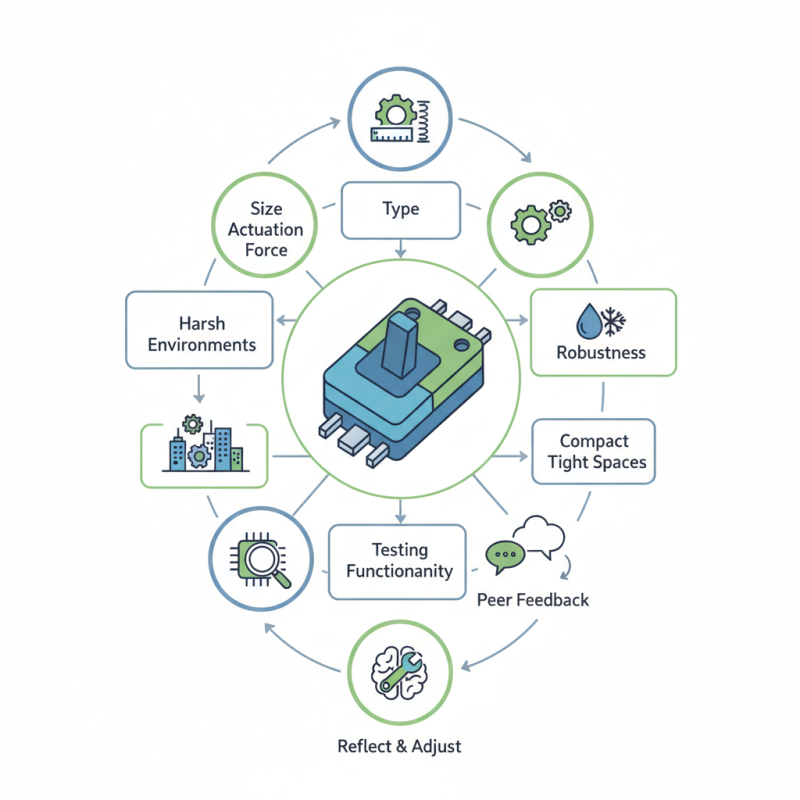
When selecting micro switches, consider factors like size, type, and actuation force. Each project has unique requirements. Some might need robust switches that withstand harsh environments. Others may require compact designs for tight spaces. The right choice impacts performance.
Don't underestimate the nuances of micro switches. It's not just about meeting specifications. Testing their functionality in real conditions is vital. Feedback from peers may highlight aspects you missed. Reflect on your choices, and remain open to adjustments. This thoughtful approach ensures your project's success.
Understanding the Basics of Micro Switches and Their Applications
Micro switches are small but powerful components widely used in various applications. Understanding their basics can streamline your project choices. They function using a simple mechanism: a lever or button activates an internal contact. This setup allows them to detect physical changes, ideal for device triggers. For instance, they are common in household appliances, arcade machines, and safety systems.
Selecting the right micro switch involves some considerations. Think about the operating force and travel distance. If the force is too low, the switch might be triggered unintentionally. If it's too high, it might not activate at all. Then, consider the environment. Not all micro switches can handle extreme temperatures or moisture. In some cases, this could lead to failures. Often, users overlook these details and face challenges later.
Finally, durability is key. Some switches can endure more cycles than others. Testing a switch before final use is advisable. It might save you time and effort down the line. Sometimes, it’s easy to assume one size fits all, but that’s rarely the case. Reflect on your specific needs and make adjustments accordingly.

Identifying Key Specifications for Micro Switch Selection
When selecting a micro switch for your project, key specifications matter. Understanding these specifications can lead to better decisions. For instance, consider the switch's current rating. It determines the maximum load the switch can handle safely. A switch with a low current rating might fail in high-demand situations. Always assess your project’s power needs first.
Next, think about the actuator type. Micro switches have different actuators like lever, button, or roller types. The actuator impacts how the switch responds to motion or pressure. A lever switch might suit applications needing manual operation. Conversely, a roller actuator can be ideal for applications requiring contact with moving parts. Inappropriate actuator choices can lead to malfunction.
Lastly, the operating temperature range is crucial. Extreme conditions could affect performance and lifespan. A switch may work fine at room temperature but fail in excessive heat or cold. This is often overlooked. Testing switches under real conditions can reveal their true potential. Remember, the right micro switch greatly influences your project’s reliability and success.
Comparing Different Types of Micro Switches Available
When selecting a micro switch, understanding the types available is crucial. There are various styles to explore, each with unique characteristics. Toggle switches offer a sturdy feel, while push-button variants provide ease of use. Snap-action micro switches are popular for their quick response, vital in many applications.
Consider the environment where the switch will be used. For instance, some micro switches withstand dust and moisture better than others. This factor can significantly impact their longevity. Additionally, review the mounting options available. Some might require specific installation methods. It's worth noting that certain switches may have lower durability ratings, which could lead to unexpected failures.
Pricing can also guide your decision. Cheaper options might seem appealing, yet they could compromise performance. Testing and feedback can reveal how they hold up. It's easy to overlook the importance of size and shape. Make sure the switch fits within your project constraints. In some cases, what looks good on paper may not translate well into real-world usage.
Evaluating Environmental Considerations for Micro Switch Use
When selecting a micro switch, environmental factors play a crucial role. Consider where the switch will be used. Is it a dusty workshop or an outdoor setting? Different environments can impact the switch's performance. For example, humidity can cause corrosion, while extreme temperatures can affect the durability of materials.
Look into the sealing of the micro switch. Some switches come with better protection against moisture and debris. This is essential for outdoor applications. If water or dust is a concern, ensure the switch has a suitable ingress protection rating. This will help maintain functionality over time.
Also, keep in mind potential vibrations. In industrial settings, machines can create a lot of movement. Switches that aren’t rated for vibration might fail sooner than expected. Choose one that can handle such conditions. Always reflect on the specific requirements of your project. An overlooked detail can lead to unexpected failures down the line.
Environmental Considerations for Micro Switch Use
Determining Cost-Effectiveness and Sourcing for Your Project
When sourcing micro switches for your project, cost-effectiveness is key. Understanding your project’s specific needs helps you narrow down options. Look at price versus performance. A cheaper switch may save money upfront, but could fail sooner. Consider the long-term costs. Sometimes, paying more initially leads to savings later.
Check suppliers for bulk purchasing options. This could lower individual switch costs. Do not hesitate to negotiate. Quality control may vary among manufacturers. Research reviews and ratings, but remember, not all reviews are genuine. Be wary of sourcing from unreliable vendors.
Don’t forget about shipping costs and lead times. These factors impact your project's overall budget. If you have a strict deadline, factor in delays. Balancing quality and price can be tricky. Reflect on your choices regularly. Are you prioritizing cost over reliability? It’s easy to overlook, yet crucial.
How to Choose the Right Micro Switch for Your Project? - Determining Cost-Effectiveness and Sourcing for Your Project
| Micro Switch Type | Operating Force (g) | Electrical Rating (A) | Price ($) | Availability |
|---|---|---|---|---|
| Standard Micro Switch | 200 | 10 | 0.50 | In Stock |
| Heavy-Duty Micro Switch | 300 | 15 | 0.80 | Limited Stock |
| Compact Micro Switch | 150 | 5 | 0.30 | In Stock |
| Sealed Micro Switch | 250 | 10 | 0.60 | Pre-Order |
| Micro Switch with Roller | 180 | 8 | 0.55 | In Stock |
Article Source:
At Premium PSU, we are specialists in designing and manufacturing power conversion systems for the industrial market. Our product range includes high reliability power supplies from 50W to 72kW.
PREMIUM PSU
C/ Dolors Aleu, 19-21, 2nd Floor
08908 – Hospitalet de Llobregat
Barcelona-SPAIN
t.+34 93 223 26 85