
How to Choose the Right Miniature Circuit Breaker for Your Needs?

Choosing the right Miniature Circuit Breaker (MCB) can be a daunting task. According to John Smith, an industry expert, "Selecting the correct MCB is crucial for safety and efficiency." MCBs protect electrical circuits from overloads and short circuits. Understanding their specifications is essential.

Consider your power requirements carefully. Different MCBs offer various ratings. You should evaluate the total load on your circuits. For instance, lights and appliances may require different ratings. It’s important to ensure that the MCB can handle your needs without tripping unnecessarily.

Additionally, not all MCBs are created equal. Some may not perform well in specific conditions, like extreme temperatures. This makes it vital to assess the environment where your MCB will be installed. A small oversight can lead to significant issues later. Selecting the appropriate Miniature Circuit Breaker involves both technical knowledge and practical considerations.
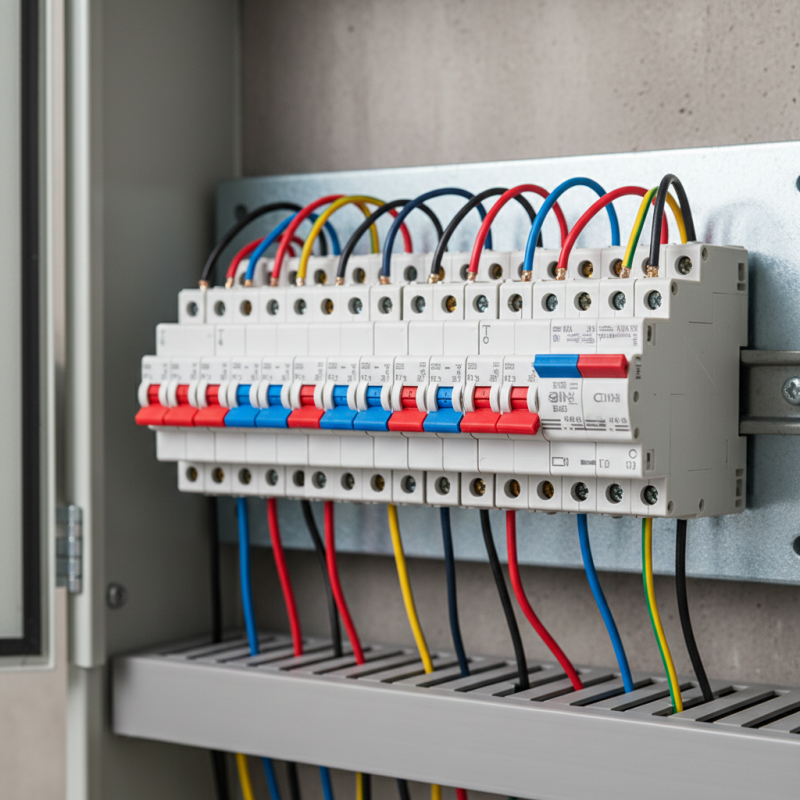
How to Choose the Right Miniature Circuit Breaker for Your Needs?

Understanding the Basics of Miniature Circuit Breakers

Miniature circuit breakers (MCBs) are essential components in electrical systems. They automatically disrupt the circuit when an overload or short circuit occurs. Understanding the basics helps in selecting the right MCB for your needs. The key features to consider include rated current, voltage rating, and trip characteristics.

Many reports suggest that over 50% of electrical failures result from incorrect MCB selection. This underlines the importance of understanding your specific requirements. For instance, residential circuits typically use MCBs rated at 6A to 32A, while commercial applications may need higher ratings. When installing, ensure MCBs match the load they will protect.

**Tips:** Check the MCB's trip curves. B-type MCBs are best for residential use, while C-type suits industrial settings. Assess your equipment needs closely. It is crucial to reflect on the potential consequences of poor choices. Not considering environmental factors can lead to further issues, such as overheating or premature failure. Always verify if your selected MCB aligns with safety standards.


Identifying Your Electrical Load and Requirements

Choosing the right miniature circuit breaker (MCB) starts with understanding your electrical load. Identify all the devices you plan to power. Consider their voltage and current requirements. Make a list. This will help you visualize your needs clearly.

Next, think about the total amperage. Add up the ratings of all devices. This will give you the total load. It's crucial to choose an MCB that can handle this load while providing some headroom. If you are close to the limit, it might trigger unexpectedly. Remember, safety is key.

Don't forget about future needs. You might want to add appliances later. Consider this when selecting your MCB. It’s easy to overlook but important. Reflect on your choices and stay informed. The right MCB can prevent electrical failures.

How to Choose the Right Miniature Circuit Breaker for Your Needs? - Identifying Your Electrical Load and Requirements

Application Voltage (V) Current Rating (A) Frequency (Hz) Number of Poles Type
Lighting 230 10 50 1 Type B
Kitchen Appliances 230 16 50 1 Type C
Heating Systems 400 32 50 3 Type D
Power Tools 230 20 50 1 Type C
Industrial Equipment 400 50 50 3 Type D

Evaluating Different Types of Miniature Circuit Breakers

When evaluating different types of miniature circuit breakers (MCBs), understanding your specific needs is crucial. MCBs come in various ratings and types, each designed for different applications. For residential use, Type B MCBs are often suitable, as they trip at lower currents. They are great for circuits with a lot of lighting and outlets.

On the other hand, Type C MCBs are more appropriate for equipment that draws higher inrush currents, like motors. In industrial settings, these breakers can prevent unnecessary tripping. Selecting the wrong type may lead to failures or inefficiencies.

Consider the current rating and breaking capacity of the MCB. It’s essential to match these with your circuit's specifications. However, some users often overlook this detail, leading to potential hazards. A good practice is to analyze your circuit load and consult with a professional. Balancing the right choice with your installation environment can avoid costly mistakes down the line.

Determining the Proper Rating and Specifications

When selecting a miniature circuit breaker (MCB), proper rating and specifications are crucial. Understanding the load your circuit will demand is the first step. According to industry reports, approximately 25% of electrical failures stem from choosing breakers with inadequate ratings. This emphasizes the importance of assessing the maximum load to prevent both nuisance tripping and potential fire hazards.

Consider the rated current. Most MCBs are available with ratings ranging from 1A to 125A. The general recommendation is to choose an MCB rated at 125% of the circuit's expected load. However, this doesn't always guarantee safety. A 2022 market survey indicated that nearly 30% of electricians still miscalculate the load requirements, leading to improper installations. In environments with fluctuating demand, it’s essential to account for inrush currents, which can be particularly high for motors and transformers.

Additionally, the breaking capacity is a key specification. It defines the maximum fault current the breaker can interrupt. Devices with lower breaking capacities can fail during extreme conditions. Data shows that around 15% of MCBs installed do not meet the necessary breaking capacity, raising the risk of equipment damage. Always double-check this specification against your grid’s potential fault levels to ensure reliability.

Installation and Maintenance Considerations for Miniature Circuit Breakers

When installing miniature circuit breakers (MCBs), proper attention to detail is crucial. First, ensure the installation location is dry and free from moisture. This prevents corrosion and maintains the integrity of the circuit. Next, consider the mounting height. It should be easily accessible for operational needs and maintenance.

Tips: Always label the circuits clearly for easy identification. This helps during troubleshooting and reduces confusion.

Maintenance is equally important. Regularly inspect the MCBs for any signs of damage or wear. Look for discoloration or unusual sounds when resetting. It’s wise to perform routine testing of the breakers to confirm they function correctly.

Tips: Keep a maintenance log. Documenting dates of inspections can help identify patterns and potential issues.

Remember that the quality of connections affects performance. Loose connections may lead to overheating and failure. If you notice persistent tripping, reassess the load connected to the MCB. This might indicate an overload situation that needs addressing.

Miniature Circuit Breaker Ratings and Their Applications