
How to Choose the Right Toggle Switch for Your Project?
Choosing the right Toggle Switch for your project is crucial for its success. Toggle switches come in various styles, sizes, and configurations. Understanding their characteristics ensures that you make an informed decision.
These switches are not just basic on/off controls. They can handle different voltage levels and currents. Choosing incorrectly may lead to malfunction or even project failure. You must consider factors such as the switch's rating, design, and intended use. A reliable toggle switch is essential for the functionality and safety of your project.
It's also important to reflect on the specific needs of your application. Are you building a simple circuit or a more complex system? The right toggle switch can enhance your project, while a poor choice may hinder progress. Evaluate your options carefully. This decision will impact your project's overall performance and durability.
Understanding the Basics of Toggle Switches
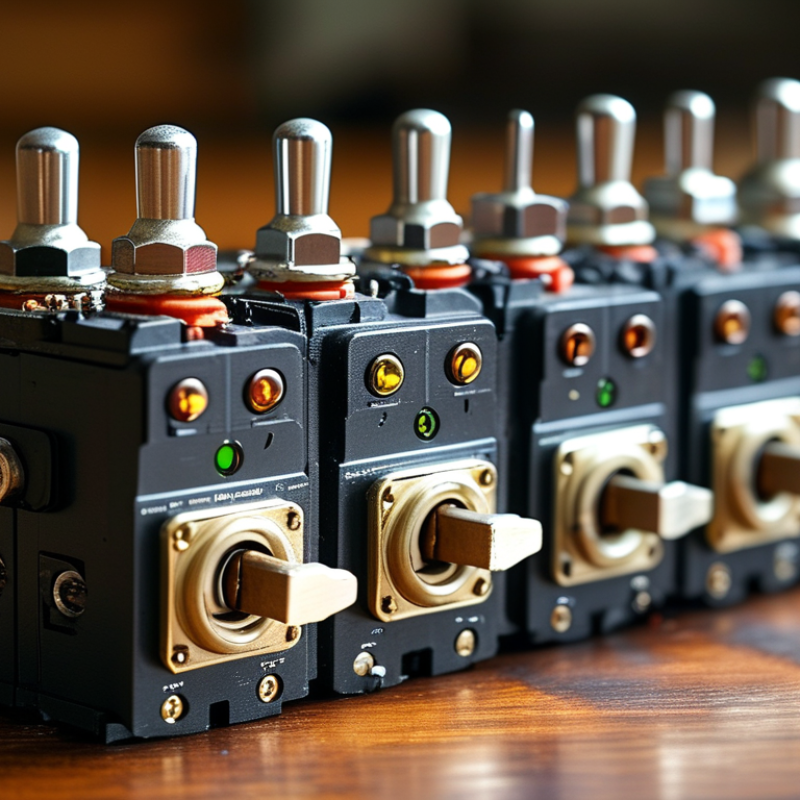
Understanding toggle switches is crucial for any project that requires electrical control. Toggle switches come in various styles and ratings, each serving a unique purpose. The most common types include single pole, double pole, and momentary switches. Single pole switches control one circuit, ideal for simple tasks. In contrast, double pole switches can handle two circuits, often used in higher power applications. Additionally, momentary switches only remain on when pressed, making them perfect for temporary control.
Data from the Electrical Components Industry Association indicates that toggle switches account for over 25% of the switch market. This shows their popularity and reliability. Selecting the right switch depends on various factors, including voltage, current rating, and mounting style. A miscalculation can lead to device failure or safety hazards. For example, using a switch rated for 10A in a 15A circuit may cause overheating.
In practice, users often overlook these specifications. This can lead to malfunction or even equipment damage. It’s essential to evaluate your project requirements clearly. Understanding the specifications will help you choose the correct toggle switch. Knowledge of voltage drop and load characteristics also plays a vital role. While toggle switches are straightforward, their selection can be nuanced, requiring careful consideration of the intended application.

Understanding Toggle Switch Types
This bar chart illustrates the distribution of common types of toggle switches used in various projects. The data showcases the popularity of different switch types, helping you to make an informed decision based on the requirements of your project.
Identifying Your Project's Power Requirements
When embarking on a project that involves toggle switches, understanding power requirements is crucial. Determining the voltage and current specifications is the first step. Different switches handle varying levels of power. For example, a low-voltage application might only need a switch rated for 5-10 volts. However, high-power devices may require switches rated for 250 volts or more.
Identifying your project's needs can save time and energy. If you're using a toggle switch for lighting, the power demand is likely different from that of a motorized device. Consider not just the immediate power needs but also any potential spikes in demand. A switch that is underrated can lead to failures. This isn't just about choosing a component; it's about ensuring reliability in your project.
Looking at your application deeply requires attention to detail. Mistakes can happen when assumptions are made. For instance, if the maximum load isn't calculated correctly, it could lead to switch failure or even damage to the connected devices. A small oversight can have significant consequences. Therefore, meticulous planning and calculations are non-negotiable for achieving optimal results.
Selecting the Right Type of Toggle Switch
Selecting the right type of toggle switch is essential for your project's success. First, consider the application's voltage and current requirements. A switch must handle the electrical load without overheating or failing. Examine the switch's ratings carefully. Mismatched specifications can lead to malfunctions.
Another factor to ponder is the switch's physical size and mounting style. Ensure it fits within your project's design. Sometimes, the right functionality may not align with available space. Make adjustments when necessary to achieve both form and function.
Think about the environment in which the switch will operate. Will it be exposed to moisture or dust? Choose a toggle switch with appropriate protection ratings. This adds durability and prolongs its lifespan. Remember, even the best switch can fail if not suited for its environment.
A final consideration is ergonomics. The switch should be easy to operate. Think about the user's experience. A switch that is difficult to maneuver can lead to frustration and safety hazards. Take the time to evaluate different designs and find the perfect balance for your needs.
How to Choose the Right Toggle Switch for Your Project? - Selecting the Right Type of Toggle Switch
| Switch Type | Operating Mechanism | Current Rating | Voltage Rating | Mounting Type | Applications |
|---|---|---|---|---|---|
| SPST (Single Pole Single Throw) | On/Off | 10A | 125V | Panel Mount | General Lighting |
| DPST (Double Pole Single Throw) | On/Off | 15A | 250V | Panel Mount | Home Appliances |
| SPDT (Single Pole Double Throw) | On/Off/On | 20A | 120V | Panel Mount | Signal Switching |
| DPDT (Double Pole Double Throw) | On/On | 10A | 240V | Panel Mount | Motor Control |
| Momentary Toggle Switch | Momentary On | 5A | 12V | Panel Mount | Control Circuits |
Evaluating the Specifications and Ratings
When selecting a toggle switch, evaluating its specifications and ratings is crucial. Begin with the voltage and current rating. A switch must handle the electrical load of your project. An underestimated rating may lead to failure. For example, a switch rated for 10 amps may overheat in a 15-amp circuit. This oversight can cause damage or create hazards.
Next, consider the physical characteristics. Size, mounting style, and terminal type matter greatly. A toggle switch that fits snugly in your project enclosure is essential. Overlook this detail, and you may end up with a switch that doesn’t fit or function properly. The feel of the toggle operation is also significant. A switch that is too loose may not provide the feedback you expect.
Lastly, think about the environment where the switch will operate. An outdoor application requires weatherproof specifications. Conversely, an indoor project might prioritize aesthetics over durability. Choosing the right material can prevent malfunction. Some switches may rust or corrode over time. Reflecting on these factors leads to better decision-making.
Installation Considerations for Toggle Switches
When choosing a toggle switch, installation considerations are crucial. The type of switch you select can impact your project’s functionality. A report from the Global Market Insights indicates that over 30% of electrical failures are directly linked to improper switch installations. This statistic highlights the importance of understanding the environment where the switch will be installed.
One key aspect to consider is the toggle switch's rating. Ensure that the switch can handle the current and voltage of your application. Inadequate ratings can lead to failures or safety hazards. For example, a report from the International Electrotechnical Commission underlines that improper ratings account for nearly 20% of electrical fires. Detailed attention to your requirements can prevent such dangers.
The physical environment also plays a significant role. If your switch will be exposed to moisture or dust, consider selecting a weatherproof or sealed switch. A study by the National Electrical Manufacturers Association found that over 40% of equipment issues stem from environmental factors. Installing the right switch in the right setting is essential for optimal performance. Conduct a thorough assessment to identify these needs; it is a practice that can save time and resources in the long run.
Article Source:
At Premium PSU, we are specialists in designing and manufacturing power conversion systems for the industrial market. Our product range includes high reliability power supplies from 50W to 72kW.
PREMIUM PSU
C/ Dolors Aleu, 19-21, 2nd Floor
08908 – Hospitalet de Llobregat
Barcelona-SPAIN
t.+34 93 223 26 85