How to Choose the Right UPS Power System for Your Needs
Choosing the right UPS power system is crucial for ensuring the safety and reliability of your electronic devices during power interruptions. With the increasing reliance on technology in both personal and professional settings, having a dependable uninterruptible power supply (UPS) becomes more than just a luxury—it's a necessity. The various types of UPS power systems available in the market can cater to different needs, but understanding their features, capacities, and applications is essential for making an informed decision.
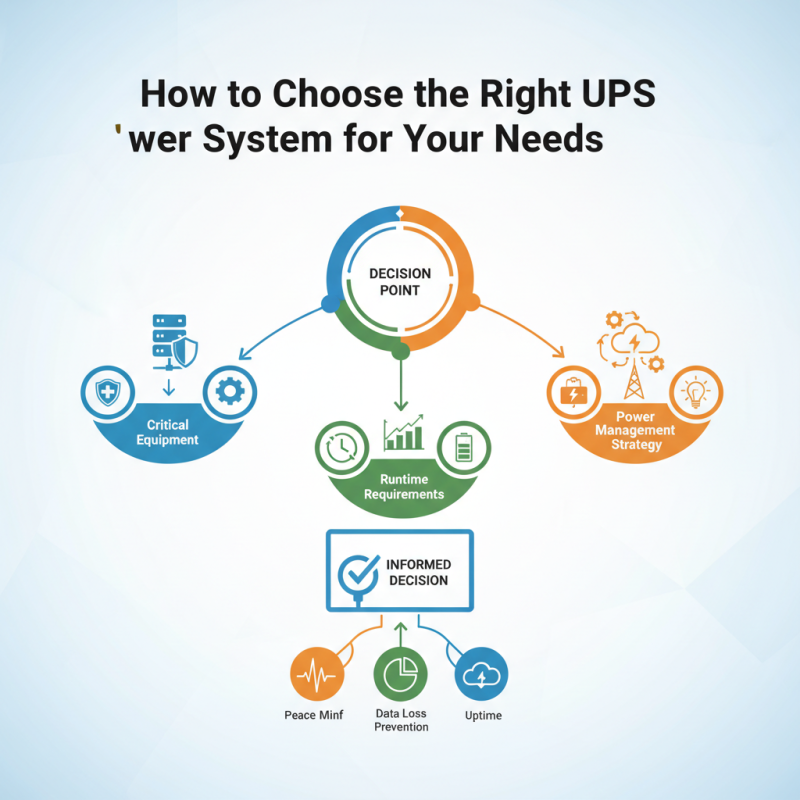
When selecting a UPS power system, one must consider several factors, such as the devices to be protected, runtime requirements, and the overall power management strategy. A well-chosen UPS power solution can protect sensitive equipment from data loss, equipment damage, and downtime, which can be particularly detrimental in critical environments like data centers, hospitals, and manufacturing plants. By evaluating these aspects, users can determine the most suitable UPS power configuration for their specific circumstances, ultimately leading to enhanced operational efficiency and peace of mind.
Understanding the Basics of UPS Power Systems
Uninterruptible Power Supply (UPS) systems are essential for ensuring a consistent power source for critical devices and equipment. Understanding the basics of these systems is crucial for making informed decisions when selecting the right UPS for your needs. A UPS operates by providing immediate backup power during outages, allowing time for safe equipment shutdown or transition to an alternative power source. The global UPS market is projected to grow significantly, reaching approximately $15 billion by 2025, according to a report by MarketsandMarkets, highlighting the increasing dependence on reliable power solutions across various sectors.
When choosing a UPS system, understanding its capacity and the type of loads it will support is fundamental. UPS systems are categorized into several types, including offline, line-interactive, and online variants. Each type offers different levels of protection and power quality; for example, online UPS systems provide the highest level of protection against power fluctuations and are ideal for sensitive equipment in data centers and medical facilities. It is also essential to consider the total power requirements of the connected devices, which can be assessed using the formula: total wattage divided by the UPS output voltage.
Reports estimate that approximately 70% of downtime incidents result from power disturbances, underscoring the critical need for a suitable UPS solution tailored to specific environmental and operational needs.
Types of UPS Systems and Their Applications
When selecting a suitable UPS (Uninterruptible Power Supply) system, understanding the various types and their specific applications is essential. There are primarily three types of UPS systems: Offline (Standby), Line-Interactive, and Online (Double-Conversion). Offline UPS systems provide basic protection for home and small office use. They switch to battery power when there’s an outage but may have a slight delay. Line-Interactive UPS systems offer more robust voltage regulation, making them ideal for environments where power fluctuations are common, such as small to medium-sized businesses.
Online UPS systems are the most advanced, offering continuous power without interruptions by converting incoming AC power to DC and then back to AC. This type is perfect for mission-critical applications such as data centers and healthcare facilities, where even short interruptions can lead to significant problems. Understanding these types helps in choosing the right one based on your power needs.
**Tips:** When assessing your requirements, consider the total load you need to support and the amount of time you require backup power. It's also beneficial to evaluate additional features such as surge protection and monitoring capabilities, which can enhance the reliability and performance of your UPS system. Always ensure the UPS has sufficient capacity to handle your equipment’s power demands.
UPS System Types and Their Applications
This bar chart illustrates the power output capacity of various types of UPS systems commonly used in different applications. The Standby UPS is suitable for simple and less critical applications, while Line-Interactive and Online UPS systems provide higher capacities for more sensitive equipment. Delta-Conversion UPS offers advanced technology for high-output requirements.
Evaluating Your Power Needs and Load Requirements
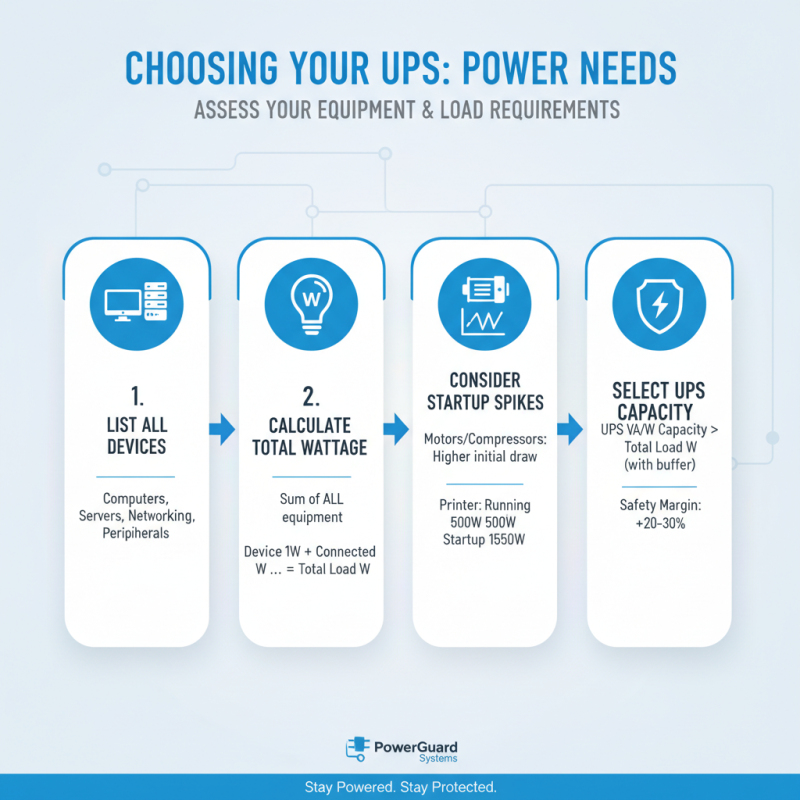
When selecting the right Uninterruptible Power Supply (UPS) system, understanding your power needs and load requirements is crucial. Start by assessing the devices that will be supported by the UPS. Identify the total wattage of all connected equipment, including computers, servers, networking devices, and peripherals. This will help you calculate the total load required, as different devices have varying power consumption rates. Additionally, consider the starting wattage of devices with motors or compressors, as these usually draw significantly more power at startup compared to their running wattage.
Next, think about the duration of backup power you will need during an outage. This is influenced by how critical your devices are and how much time you typically require to safely shut down operations or switch to a secondary power source. To ensure optimal performance, factor in future expansions and potential increases in power needs. A UPS system should not only meet your current requirements but also have the capacity to handle additional loads if needed. By thoroughly evaluating these aspects, you can choose a UPS that provides reliable power support tailored to your specific needs.
Key Features to Consider When Selecting a UPS
When selecting a UPS (Uninterruptible Power Supply) system, several key features should guide your decision-making process to ensure it meets your specific needs. First, consider the power capacity of the UPS, measured in VA (Volt-Amperes) or watts. This capacity should not only accommodate your current equipment but also allow for potential future expansions. It is crucial to assess the total wattage of the devices you plan to connect, as exceeding the UPS capacity can lead to system failures or damage.
Another important feature is the battery runtime, which indicates how long your connected devices will remain powered during an outage. Evaluate the runtime requirements based on your operational needs; some environments may require just a few minutes, while others necessitate extended backup times. Additionally, look for UPS systems with user-replaceable batteries, as this can enhance the overall lifecycle and reduce maintenance costs. Other factors like form factor, input/output options, and management software capabilities should also be considered to ensure that the UPS system integrates seamlessly into your infrastructure and provides efficient monitoring.
How to Choose the Right UPS Power System for Your Needs - Key Features to Consider When Selecting a UPS
| Feature |
Description |
Importance Level |
| Power Capacity |
The total wattage that the UPS can support, crucial for determining compatibility with your devices. |
High |
| Runtime |
The duration for which the UPS can provide power during an outage, important for business continuity. |
High |
| Form Factor |
Physical size and design of the UPS, affecting space management in your setup. |
Medium |
| Features |
Additional functionalities like LCD status screens, automatic voltage regulation, and network management features. |
Low to Medium |
| Battery Type |
Specifications of the battery that impact recharge time and lifespan, impacting long-term usability. |
Medium |
| Noise Level |
Sound level of the UPS during operation, relevant for noise-sensitive environments. |
Low |
Maintenance and Support for Your UPS System
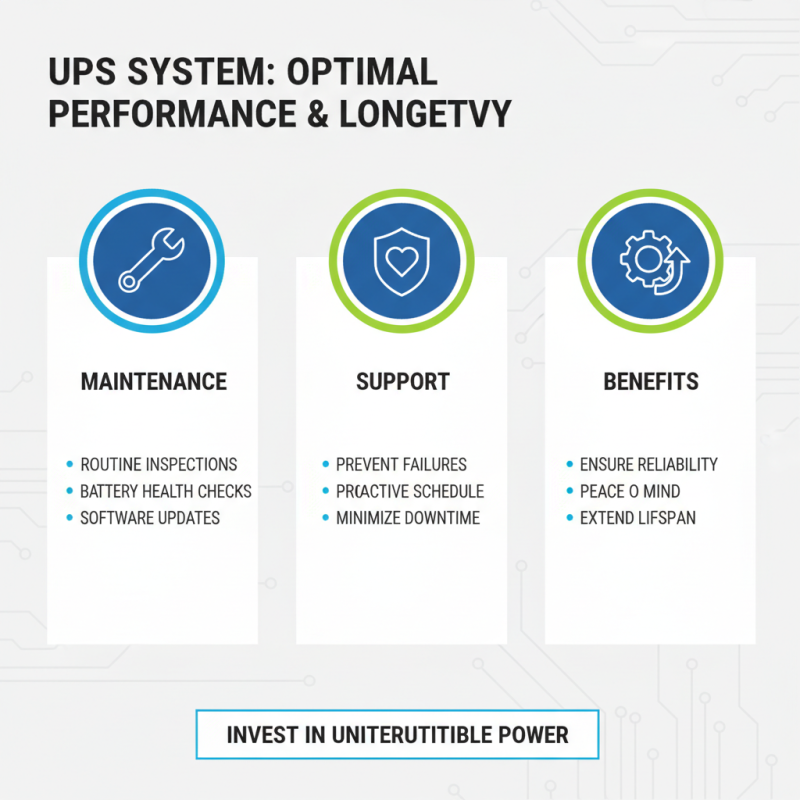
When investing in a UPS (Uninterruptible Power Supply) system, maintenance and support should be key considerations to ensure optimal performance and longevity. Regular maintenance of your UPS is crucial in preventing unexpected failures and ensuring that it operates effectively during power interruptions. This includes routine inspections, battery health checks, and software updates. Establishing a proactive maintenance schedule can help identify potential issues before they escalate, providing peace of mind and minimizing downtime.
Support for your UPS system is equally essential. This involves having access to technical assistance, whether through in-house expertise or third-party services. Proper training for personnel on how to operate and troubleshoot the UPS can greatly reduce response time during emergencies. Additionally, ensure that the documentation regarding warranty services and repair options is clear and readily available. Investing in reliable support will not only extend the life of your UPS but also enhance the overall resilience of your power management strategy.