Why Use a DC to AC Converter for Your Power Needs?

In today's world, the demand for efficient energy solutions is growing. Many individuals and businesses are turning to DC to AC converters. John Smith, an expert in power electronics, emphasizes, “DC to AC converters are pivotal for modern energy applications.” These devices bridge the gap between different types of power sources.

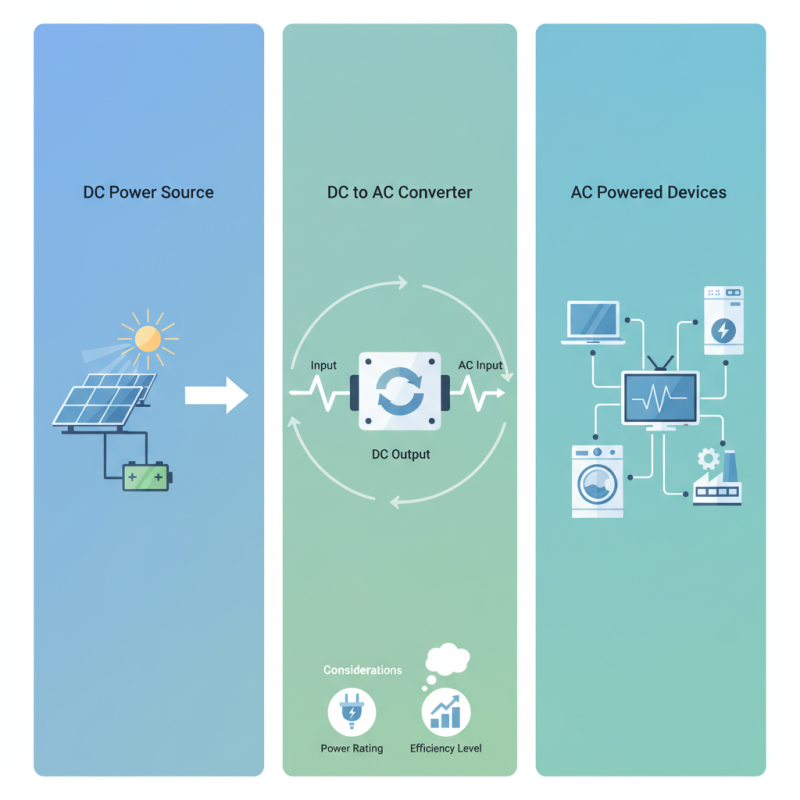
DC to AC converters transform direct current into alternating current. This process allows users to power various devices that require AC electricity. From small electronics to significant industrial machinery, these converters are versatile. They play a crucial role in renewable energy systems, especially solar panels. The conversion enables more applications, enhancing efficiency.

However, using a DC to AC converter comes with challenges. Users need to consider power ratings and efficiency levels. Choosing the wrong converter could lead to energy loss. It's essential to reflect on how these devices impact overall energy consumption and sustainability. A deeper understanding of this technology is vital for maximizing its benefits.
Why Use a DC to AC Converter for Your Power Needs?

Understanding the Basics of DC and AC Power Technologies

DC and AC power technologies serve different purposes in our daily lives. Direct Current (DC) provides a constant voltage, making it ideal for charging batteries. This stable power source is used in electronics like laptops and smartphones. In contrast, Alternating Current (AC) changes its direction periodically. This makes it suitable for powering larger appliances and the electrical grid since it can travel long distances with reduced energy loss.

Understanding these differences is key. DC is often more efficient for smaller devices, while AC is essential for homes and businesses. You might find it puzzling why your appliances require AC when their inner components often depend on DC. Many devices first convert AC back to DC. This conversion can waste some energy, leading to inefficiencies that are worth considering. However, this duality in power types allows us to enjoy the best of both worlds.

The decision to use a DC to AC converter might not be straightforward. You must weigh the cost and energy efficiency against your needs. Sometimes, the converter itself can introduce issues. Can it handle the required load? Will it operate quietly, or will it cause interference? These are critical questions worth pondering before making a choice.
Power Consumption Comparison: DC vs AC Devices

This chart compares the average power consumption of various devices that use DC and AC power sources. Understanding these differences is crucial for selecting the right DC to AC converter to meet your power needs.

The Functionality of DC to AC Converters in Modern Applications

DC to AC converters play a crucial role in modern applications. They enable devices that require AC power to function efficiently from a DC source. This is especially vital as more renewable energy sources, like solar panels, provide DC output. According to a recent industry report, the demand for efficient power conversion technologies is projected to grow at a compound annual growth rate (CAGR) of 9.5% from 2021 to 2028.

These converters facilitate a range of applications. They power household appliances, industrial machinery, and even electric vehicles. By converting DC into AC, these devices enable the use of energy stored in batteries, offering flexibility and convenience. However, the efficiency of conversion can vary greatly. A report highlights that some converters operate at efficiencies lower than 80%. This can lead to wasted energy and increased costs.

The ongoing development of advanced technologies also presents challenges. For example, heat management in converters is often overlooked. Inefficient designs may lead to overheating, impacting performance significantly. Industry studies show that improved thermal management can enhance the lifetime and reliability of converters. Continuous reflection on design flaws is necessary to improve performance in real-world applications.

Why Use a DC to AC Converter for Your Power Needs?

Application Power Requirement (W) Input Voltage (V DC) Output Voltage (V AC) Efficiency (%)
Solar Power Systems 3000 48 120 90
Uninterruptible Power Supplies 2000 12 240 94
Electric Vehicles 5000 400 200 85
Home Appliance Inverters 1500 24 230 89
Renewable Energy Storage Systems 7500 48 120 92

Key Advantages of Using DC to AC Converters for Power Supply

DC to AC converters play a crucial role in today's power systems. They transform direct current (DC) from sources like batteries into alternating current (AC), which is widely used in homes and industries. This conversion is essential, as around 80% of energy used globally comes from AC sources. According to a 2022 report by the International Energy Agency, the demand for AC power continues to rise as more devices require flexible energy solutions.

One major advantage of DC to AC converters is efficiency. These converters can reach efficiency rates of over 90%. This means that more energy is available for use, reducing waste and operational costs. However, the design and selection of these converters can be complex. Many users might not fully understand their power needs, leading to mismatches. If the converter is underpowered, it could result in overheating and system failures.

Moreover, the functionality of DC to AC converters makes them indispensable in renewable energy systems. For instance, solar panels generate DC power. To integrate this power into the grid, conversion to AC is necessary. A 2021 survey found that 50% of solar energy installations adopted these converters. Still, improper installation can hinder performance. Users must consider professional guidance for optimal results.

Common Applications of DC to AC Converters in Daily Life

DC to AC converters play a vital role in daily life. They convert the direct current (DC) from batteries and solar panels into alternating current (AC). This conversion is necessary for powering household appliances. According to the U.S. Energy Information Administration, about 74% of U.S. homes use AC power, making these converters essential.

Common applications include solar power systems. Many people use solar panels to generate electricity. However, the energy produced is in DC form. A converter allows homeowners to use this energy for standard appliances. Additionally, many portable devices rely on these converters. They enable the use of laptops and phones in vehicles.

Despite the benefits, there are challenges in using DC to AC converters. Efficiency can vary. Some converters lose a significant amount of energy during the conversion. Reports indicate that converters can sometimes reach only 90% efficiency. This can lead to unnecessary energy waste. Users should consider this when choosing a converter. Finding a balance between cost and efficiency can be tricky. This decision affects long-term energy savings significantly.

How to Choose the Right DC to AC Converter for Your Needs

Why Use a DC to AC Converter for Your Power Needs?

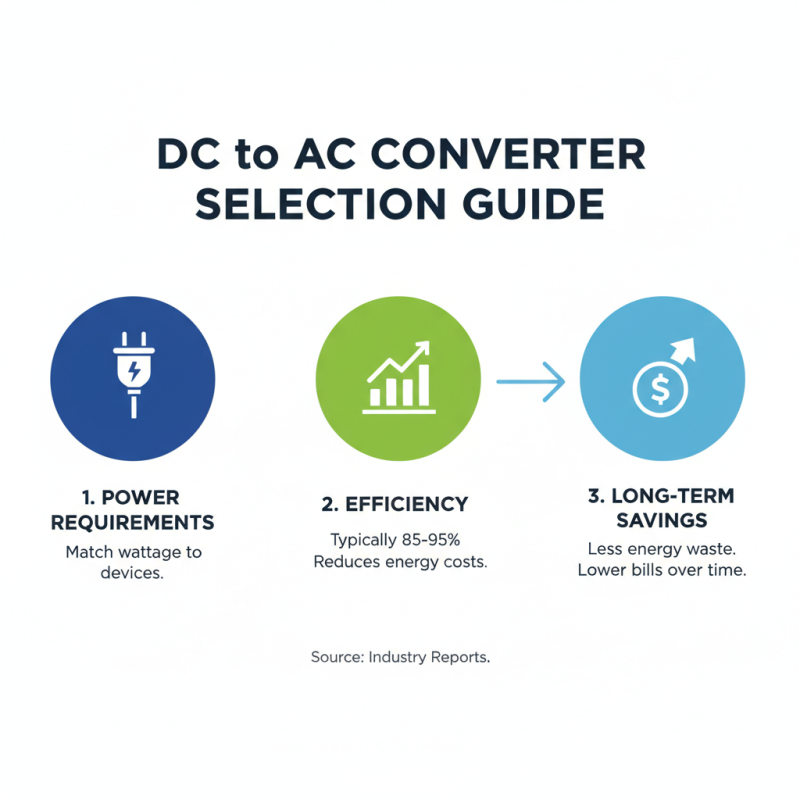
When selecting a DC to AC converter, several factors come into play. Power requirements are crucial. Consider the wattage needed for your devices. According to industry reports, the efficiency of a converter typically ranges from 85% to 95%. This can significantly affect energy consumption and costs over time.

Understanding the waveform is also vital. Sine wave converters deliver a smooth output. They are ideal for sensitive electronics. Conversely, modified sine wave converters may suffice for simpler devices. However, using the latter could lead to potential issues with durability and performance in the long run.

**Tips:** Always calculate your total wattage before purchasing. This helps avoid under or overloading your converter. Remember to factor in surge power requirements, especially for appliances that require more energy during startup. Test the converter in real-life conditions to ensure it meets your expectations. Keep in mind; there may be discrepancies between specifications and actual performance.