10 Essential Tips for Choosing the Right Switching Power Supply

Choosing the right switching power supply is crucial for any project. According to Dr. Emily Chen, an expert in power electronics, “The right power supply can make or break a system’s performance.” Her insight highlights the importance of proper selection.

Switching power supplies come in various shapes and sizes. Each type has unique specifications and features. This diversity can make choices overwhelming. Many overlook critical factors when selecting a power supply. Common mistakes include ignoring load requirements or thermal management. These oversights can lead to failures in performance or even safety issues.

Experts emphasize the need for thorough research. A reliable power supply supports efficiency and longevity. Understanding how voltage, current, and ripple affect your application is essential. Each detail plays a role in the overall effectiveness of the system. Reflecting on choices often uncovers areas for improvement. Taking the time to evaluate options can lead to better outcomes in the long run.
10 Essential Tips for Choosing the Right Switching Power Supply

Understanding the Basics of Switching Power Supplies

Understanding switching power supplies is crucial for any electronic project. These devices convert electrical power efficiently. They play a key role in various applications, from consumer electronics to industrial equipment. The global market for switching power supplies is set to exceed $40 billion by 2026, according to industry reports. This growth highlights their importance in the tech landscape.

The basic principle involves converting voltage. Switching power supplies utilize a high-frequency switching element to reduce energy loss. These supplies offer advantages such as smaller size and lighter weight compared to traditional linear power supplies. However, selecting the right one can be challenging. Key factors to consider include output voltage stability, load regulation, and efficiency ratings. It's essential to choose a supply that meets your specific requirements. Industry data suggests that inefficiencies can lead to increased operational costs, making the optimal choice vital.

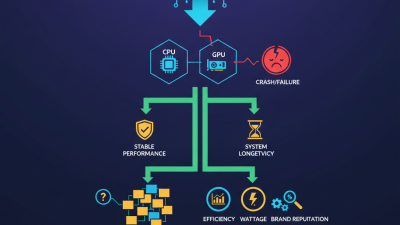
Another critical aspect is understanding thermal management. Power supplies generate heat, and overheating can lead to failure. Reports indicate that nearly 30% of power supply failures are due to poor thermal design. Implementing effective cooling techniques and ensuring proper airflow can significantly enhance reliability. Always reflect on the long-term implications of your choices, as they impact both performance and overall system longevity.
Key Specifications to Consider When Choosing a Power Supply

When selecting a switching power supply, understanding key specifications is crucial. Start with input voltage range. A versatile supply can accommodate various voltages. This flexibility is important for different applications. Next, consider the output voltage. Ensure it meets your device requirements accurately. A mismatch can lead to malfunctions or inefficiency.

Another significant factor is the power rating. Evaluate both the maximum load and continuous output. An insufficient power supply might overheat or fail. Meanwhile, ripple voltage is a measurement of output stability. Lower ripple values indicate a more stable supply, which is beneficial for sensitive equipment.

Pay attention to efficiency ratings. Higher efficiency means less energy waste. It can also affect heat generation, impacting longevity. Lastly, don’t overlook safety certifications. These are indicators of reliability and performance standards. Be wary of products lacking proper certifications, as they might not deliver what you expect. Reflect on these aspects thoroughly before making your choice.

Power Supply Efficiency Ratings

Evaluating Efficiency Ratings for Optimal Performance

When selecting a switching power supply, efficiency ratings are crucial for ensuring optimal performance. Industry reports suggest that power supplies with high efficiency ratings can reduce energy costs. According to the Department of Energy, devices with efficiency ratings above 90% save consumers significant amounts over time. This is an essential consideration for both industrial and commercial applications.

Tip: Look for efficiency ratings such as Energy Star or 80 PLUS certifications. These programs endorse products that demonstrate high performance and low energy loss. An efficient power supply minimizes heat generation. This reduces cooling requirements and prolongs equipment life.

However, not all high-efficiency models respond equally. Some may falter under varying loads. It's important to evaluate how a power supply performs under different conditions. Higher efficiency often comes with a higher price tag. Weighing upfront costs against long-term savings is vital. Conducting thorough research ensures that you're investing smartly.

Tip: Check the efficiency curve of the device. A power supply might have a high peak efficiency but lower practical efficiency at normal operating levels. This discrepancy can impact overall system performance. Balancing efficiency with performance needs is essential for effective sourcing.

Assessing Load Requirements and Output Voltage Stability

When evaluating switching power supplies, assessing load requirements is crucial. A mismatch can lead to inefficiencies. According to a report by Power Electronics Research, nearly 30% of power supply failures result from incorrect loading. This can cause overheating, reduced lifespan, and unexpected shutdowns.

Output voltage stability is also vital. A stable output voltage ensures consistent device operation. Fluctuations can jeopardize sensitive electronics. Industry standards suggest that a variation of less than 5% is ideal. For instance, devices with a load regulation of 2% perform well under varying load conditions.

Choosing a unit that meets both load requirements and voltage stability might be challenging. Some units appear effective but fail under specific conditions. It's important to consider real-world applications. Conduct thorough testing to verify performance claims. This scrutiny can reveal performance gaps that specifications alone may not disclose.

Comparing Costs and Brand Reliability for Long-Term Use

10 Essential Tips for Choosing the Right Switching Power Supply

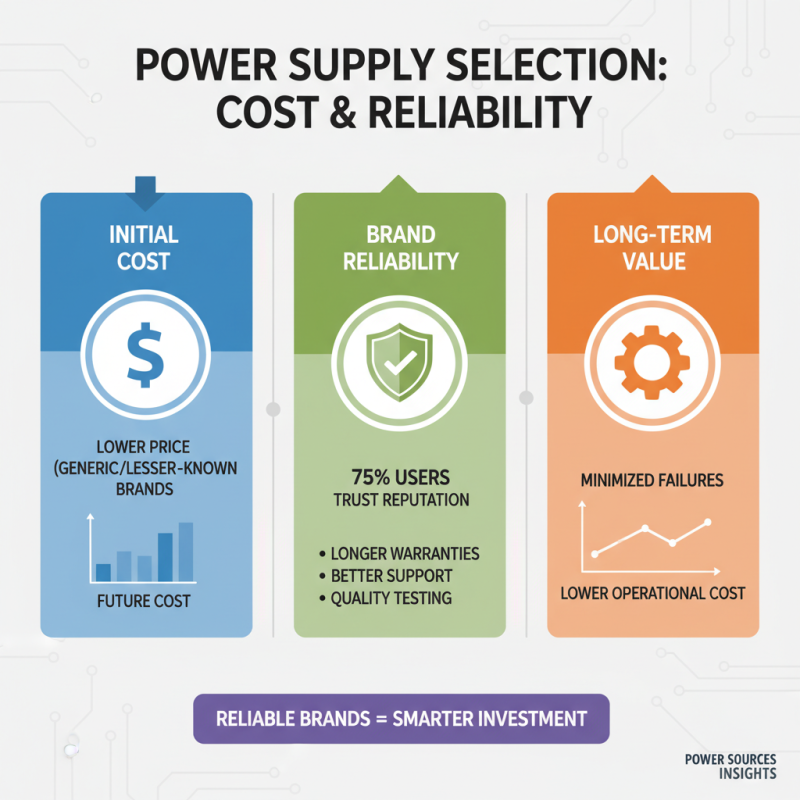
When selecting a switching power supply, cost and brand reliability are critical factors. Industry reports indicate that nearly 75% of users find brand reputation influences their purchasing decisions. Brands with a track record often offer longer warranties and better customer support. A report from the Power Sources Manufacturers Association highlights that reliable brands also invest in quality testing, which minimizes potential failures and lowers operational costs in the long run.

Cost comparisons reveal that lower-priced options may save money initially but could lead to more frequent replacements. A study showed that a premium power supply, while costing 30% more upfront, could last up to 50% longer than its cheaper counterparts. This data suggests that investing in a reliable brand not only improves performance but also leads to lower total costs over its lifespan.

However, purchasing decisions often overlook these metrics. Many consumers chase cheaper options and then face unexpected maintenance costs. Failing to consider long-term reliability can cloud judgment, leading to regret down the road. An informed choice considers both immediate expenses and future implications.