Understanding High Voltage DC Power Supply Benefits Applications and Safety Tips

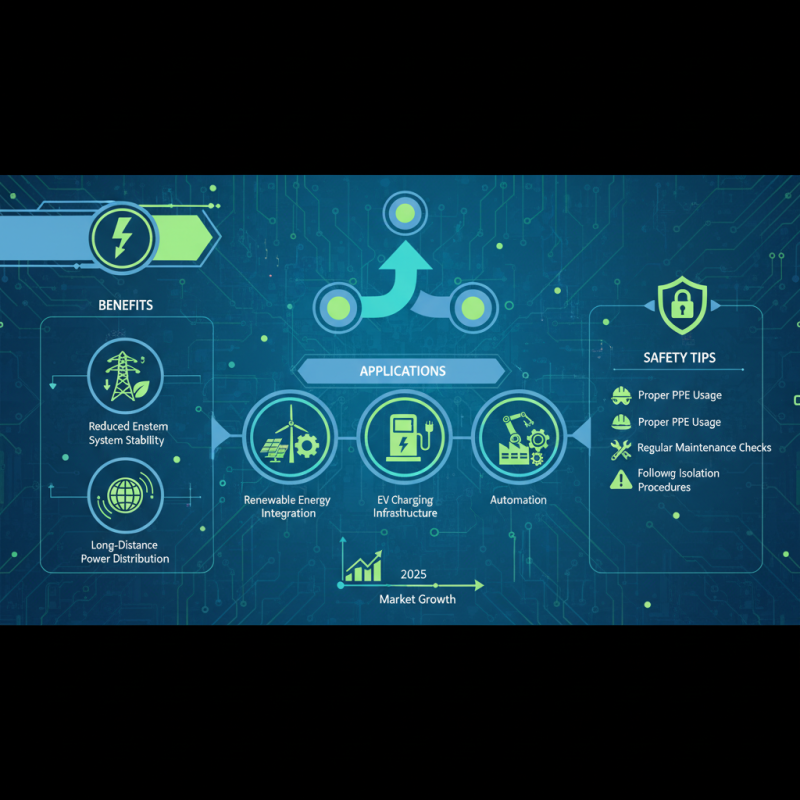
The increasing demand for efficient energy solutions has propelled the high voltage DC power supply (HVDC) market into rapid growth, with projections indicating a compound annual growth rate (CAGR) of over 10% through the next decade. High voltage DC power supplies are pivotal in various applications ranging from renewable energy integration, electric vehicle charging infrastructure, to industrial automation systems. These power supplies offer significant benefits, including reduced energy losses during transmission, enhanced system stability, and the capability to effectively manage large-scale electric power distribution over long distances.

Recent industry reports highlight that the global HVDC transmission market is expected to reach approximately $15 billion by 2025, driven by the shift towards sustainable energy sources and smart grid technology. As industries increasingly adopt high voltage DC power systems, understanding their advantages, applications, and safety considerations becomes crucial. This insight not only assists engineers and technicians in optimizing their infrastructure but also fosters safer and more effective operational practices. In an era where power efficiency and reliability are paramount, high voltage DC power supply solutions are poised to play a transformative role in the future of energy management.
Understanding High Voltage DC Power Supply Benefits Applications and Safety Tips

Benefits of High Voltage DC Power Supply in Modern Technology
Understanding High Voltage DC Power Supply Benefits Applications and Safety Tips

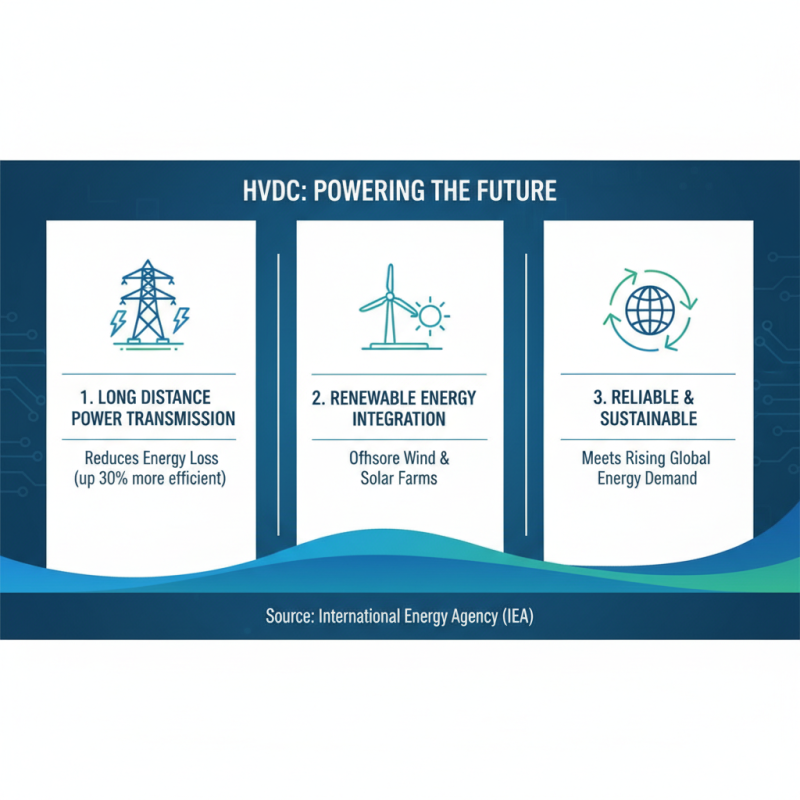
High Voltage DC (HVDC) power supplies have emerged as a cornerstone technology in modern energy systems, delivering numerous benefits across various sectors. Their ability to efficiently transmit power over long distances has found significant applications in renewable energy integration, especially in offshore wind farms and solar power plants. According to a report by the International Energy Agency (IEA), the implementation of HVDC systems could increase the total efficiency of power transmissions by up to 30%, drastically reducing energy loss compared to alternating current (AC) systems. This efficiency is crucial as global energy demands continue to rise, emphasizing the need for reliable and sustainable energy solutions.

In addition to efficiency, HVDC systems offer superior grid stability and reliability. They are particularly advantageous in connecting asynchronous power grids, allowing for the integration of diverse energy sources without compromising stability. Recent studies indicate that HVDC technology can increase the capacity of existing transmission lines by 50%, enabling more power to be transported with less infrastructure investment. The combination of these benefits positions HVDC as a vital technology in the transition to a more resilient and sustainable energy framework.

**Tips for Safe Handling of High Voltage DC Power Supplies:**
1. Always ensure that protective gear is worn when handling HVDC equipment to prevent electric shock.
2. Regularly inspect equipment and connections for signs of wear, ensuring that all protective devices are functioning properly.
3. Implement clear signage and barriers around HVDC systems to ensure that only trained personnel have access to high-risk areas.

Key Applications of High Voltage DC Power Supplies in Various Industries

High voltage DC power supplies play a crucial role in various industries, enhancing both efficiency and functionality. One significant application is in the semiconductor manufacturing sector, where precise voltage control is essential for the fabrication of microelectronic components. These power supplies can deliver stable and adjustable high voltage levels, allowing for accurate ion implantation and etching processes that are vital for producing high-quality semiconductor devices.

Another key area where high voltage DC power supplies are indispensable is in the field of medical equipment. Devices such as X-ray machines and particle beam cancer therapy units require reliable high voltage to operate safely and effectively. The consistent performance of these power supplies can significantly improve diagnostic imaging and treatment outcomes, making them critical to modern healthcare.

In the realm of renewable energy, high voltage DC power supplies are increasingly utilized in solar inverters and wind turbine controllers. By converting and managing the energy produced from these sources, these systems contribute to a more stable power grid and enhance energy distribution capabilities. Their efficiency in handling large voltage levels makes them ideal for scaling up renewable energy technologies, driving the transition towards sustainable energy solutions.

Essential Safety Tips for Handling High Voltage DC Power Supplies

When working with high voltage DC power supplies, safety should always be the top priority. High voltage can pose significant risks, including electric shock and fire hazards, if not handled properly. One essential safety tip is to always wear appropriate personal protective equipment (PPE). This includes insulated gloves, safety goggles, and non-conductive footwear, which can provide an added layer of protection while working near live circuits.

Additionally, it’s crucial to ensure that the working environment is safe and well-organized. Keep the area free of obstructions and avoid wet conditions, as moisture can increase the risk of electric shock. Install appropriate signage to indicate high voltage zones, and ensure that all equipment is regularly inspected for wear and damage. Always use insulated tools when performing maintenance or adjustments to reduce the risk of accidental contact with high voltage components.

Finally, it’s important to establish a clear lockout/tagout procedure to de-energize equipment during maintenance or repairs. This involves shutting down the power supply, ensuring it is locked out, and placing tags to alert others that work is being performed. Effective communication among team members is also vital to ensure everyone is aware of the work being done and the associated risks. By adhering to these safety tips, you can minimize hazards and work confidently with high voltage DC power supplies.

Comparison of High Voltage DC Power Supplies and Alternatives

When comparing high voltage DC power supplies with their alternatives, several factors need to be considered. High voltage DC (HVDC) power supplies are favored in applications where efficiency, stability, and control are paramount. Unlike standard AC power supplies, HVDC systems offer reduced energy losses and enable longer transmission distances. This makes them ideal for applications in renewable energy integration, electric vehicles, and industrial processes that require precise voltage control.

However, alternatives such as low voltage AC supplies and batteries also have their place in various scenarios. While AC systems are traditionally easier to implement in residential and commercial settings, they may struggle with efficiency over long distances. Batteries, on the other hand, offer portability and ease of use but can face limitations in energy density and longevity compared to HVDC solutions. Tailoring the power supply to the specific demands of the application is crucial for optimizing performance.

When working with high voltage DC supplies, safety is of the utmost importance. Always follow manufacturer guidelines and implement strict protocols to prevent accidents. Ensure proper insulation and grounding in your setup to protect against electrical shocks. It is also wise to regularly inspect and maintain equipment to guarantee safe operation and reliability in high voltage environments.

Future Trends in High Voltage DC Power Supply Technology and Applications

As industries increasingly prioritize energy efficiency and sustainability, the adoption of High Voltage DC (HVDC) power supply technology is witnessing significant growth. According to a recent report by ResearchAndMarkets, the HVDC market is expected to reach approximately $15 billion by 2026, driven by the rising demand for renewable energy sources and the need for efficient transmission across long distances. Future trends indicate that advancements in semiconductor technology, particularly with Silicon Carbide (SiC) and Gallium Nitride (GaN), will enable more compact, efficient, and scalable HVDC systems, facilitating improved power conversion and reduced energy losses.

Moreover, the integration of HVDC technology with smart grid systems is anticipated to play a crucial role in enhancing energy distribution networks. A report by the International Energy Agency (IEA) highlights that implementing HVDC can improve grid stability and resilience, especially with the fluctuating supply from renewable sources like wind and solar power.

Additionally, as electric vehicle (EV) infrastructure expands, HVDC systems are poised to support rapid charging stations, significantly reducing charging times and enhancing user experience. The ongoing developments in control systems and automation within HVDC technologies will further pave the way for smarter, more efficient energy management solutions in the coming years.