Why High Voltage Power Supply is Essential for Modern Electrical Systems
In recent years, the demand for reliable and efficient electrical systems has surged dramatically, driving the need for high voltage power supply (HVPS) solutions across various industries. According to a report by the International Energy Agency, global electricity demand is expected to increase by 30% by 2040, primarily due to the rapid development of emerging economies and the growing prominence of electrified transportation. This scenario underscores the critical role that HVPS plays in ensuring the stability and scalability of modern electrical infrastructure.
High voltage power supply systems are fundamental to the operation of numerous high-capacity applications, including industrial automation, telecommunications, and renewable energy integration. As electrical systems grow more complex and interconnected, the necessity for higher voltage levels becomes apparent. For instance, the U.S. Department of Energy highlights that HVPS not only enhances efficiency in power transmission but also minimizes losses over long distances, which is vital for supporting the increasing energy demands of urban centers. Consequently, as industries continue to innovate and expand, the emphasis on adopting advanced high voltage power supply solutions remains a pivotal aspect in achieving sustainable and reliable power management.
The Role of High Voltage Power Supplies in Modern Electronics
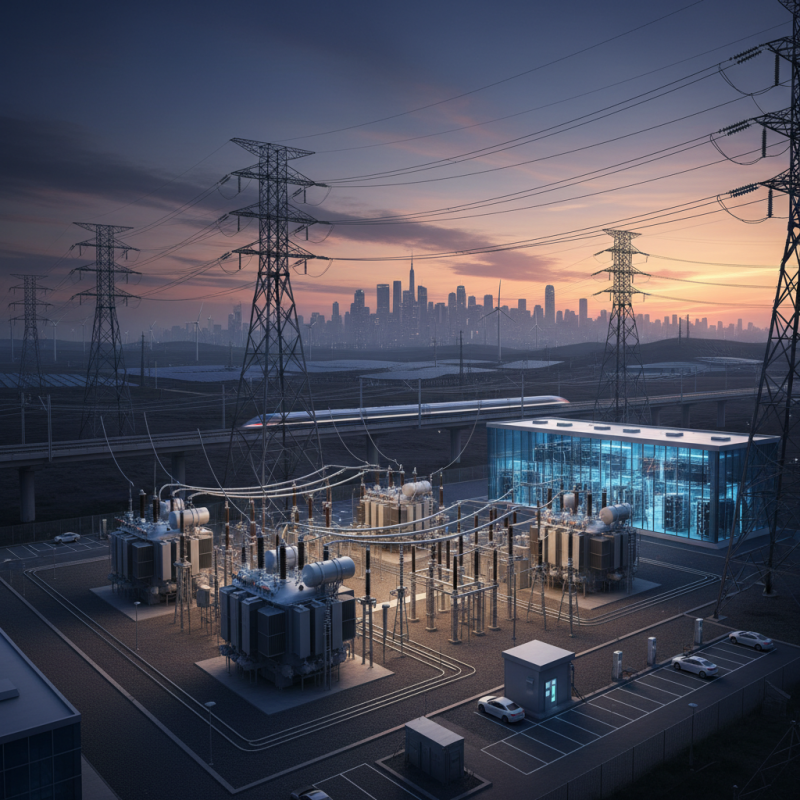
High voltage power supplies play a critical role in modern electronics, driving advancements in various fields such as telecommunications, industrial automation, and medical devices. These power supplies generate the high energy levels necessary to operate complex electronic systems efficiently. By converting and controlling electrical energy, high voltage power supplies ensure that devices receive the required voltage levels while maintaining stability and reliability. This is particularly important in applications like particle accelerators and electric vehicles, where energy demands can fluctuate significantly.
Tips: When working with high voltage power supplies, always prioritize safety. Ensuring that your workspace is well-organized and that you have the appropriate protective gear can prevent accidents and injuries. Regularly inspect and maintain your power supply equipment to avoid unexpected failures that could disrupt operations.
Another key advantage of high voltage power supplies is their ability to minimize energy losses. Operating at higher voltages allows for reduced current flow, which in turn decreases heat generation and enhances efficiency. This feature is particularly beneficial for large-scale installations, where energy efficiency can lead to significant cost savings over time.
Tips: Consider using high voltage modulation techniques to optimize the performance of your power supply systems. This can improve the overall efficiency and responsiveness, ensuring that your electronic devices operate at peak performance under varying load conditions.
Key Applications of High Voltage Power Systems in Industry
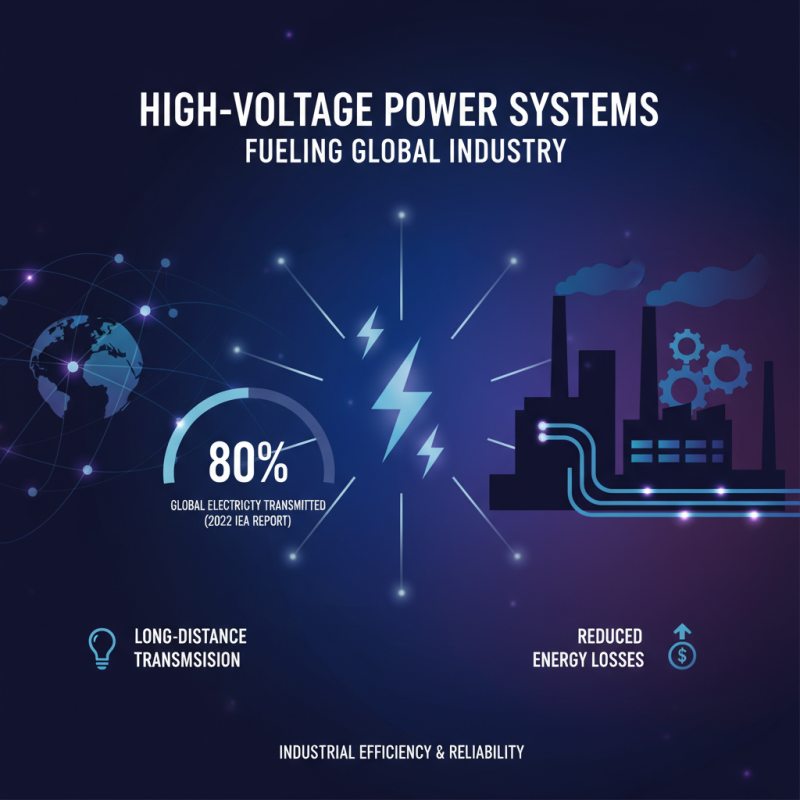
High voltage power systems play a crucial role in various industrial applications, ensuring efficient energy transmission and distribution. The International Energy Agency reports that as of 2022, approximately 80% of electricity generated globally is transmitted via high-voltage systems, emphasizing their significance in modern infrastructure. These systems are not only vital for long-distance electric power distribution but also for enhancing the reliability and efficiency of industrial operations. They reduce energy losses during transmission, which is particularly important for industries with high energy demands, such as manufacturing and mining.
In addition to energy transmission, high voltage power supplies are employed in specialized applications such as electrolysis for aluminum production, where voltages can exceed 1000V. The demand for high voltage systems in electric arc furnaces, utilized in steel manufacturing, has also surged. According to a report by Research and Markets, the global high voltage equipment market is expected to grow by 5.3% annually, driven by industrial automation and the rising need for sustainable energy solutions. Such applications highlight the versatility and necessity of high voltage power supplies in meeting the challenges posed by modern electrical systems.
Advantages of High Voltage Power Supplies for Energy Efficiency
High voltage power supplies are becoming increasingly vital in modern electrical systems due to their numerous advantages, particularly in relation to energy efficiency. By operating at higher voltages, these systems can transmit power over long distances with minimal energy loss. This means that less energy is wasted as heat in the conductors, which not only conserves resources but also reduces the overall demand for energy production. The ability to deliver power effectively over great distances makes high voltage supplies essential for connecting remote renewable energy sources, such as wind and solar farms, to urban centers.
Additionally, high voltage power supplies contribute to improved system performance and reliability. They allow for smaller, lighter conductors that can reduce material costs and make installations less cumbersome. Furthermore, high voltage systems often require fewer substations, leading to lower infrastructure costs and a minimized environmental impact. The increased efficiency in energy transmission directly translates to cost savings for consumers and utilities alike while supporting the transition to more sustainable energy practices. By enhancing energy efficiency and reducing overall system costs, high voltage power supplies play a crucial role in the advancement of modern electrical systems.
Challenges and Solutions in High Voltage Power Supply Design
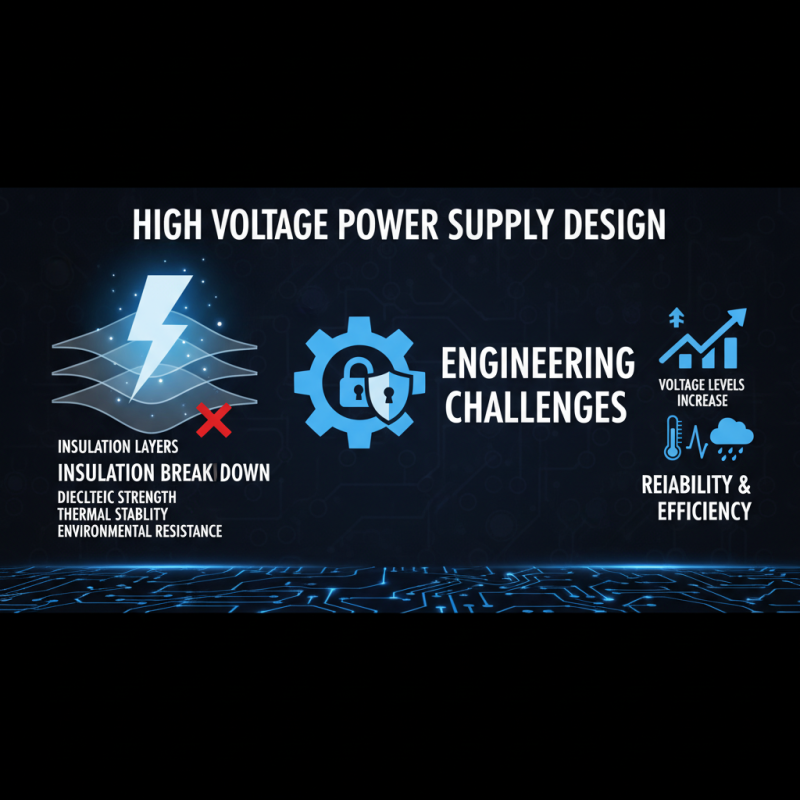
The design of high voltage power supply systems presents several challenges that engineers must navigate to ensure reliability and efficiency. One of the primary issues is insulation management. As voltage levels increase, the potential for breakdown in insulating materials also rises, necessitating rigorous testing and selection of materials that can withstand extreme conditions. Engineers must consider factors like dielectric strength, thermal stability, and environmental resistance, particularly in systems subjected to fluctuating temperatures and high humidity.
Another significant challenge in high voltage power supply design is the development of effective voltage regulation and control systems. Voltage fluctuations can lead to disruptions in performance and even damage to sensitive components. To address this, advanced control algorithms are often employed to dynamically adjust output voltage in real-time. Additionally, implementing robust feedback mechanisms can help maintain stable power delivery under varying load conditions. Advances in digital technology provide new opportunities for improved monitoring and predictive maintenance, ensuring these high voltage systems not only operate efficiently but also extend their lifecycle.
Future Trends in High Voltage Power Supply Technologies
The future of high voltage power supply technologies is poised for transformative changes as the demand for more efficient and reliable electrical systems escalates. According to a recent report by the International Energy Agency (IEA), global electricity demand is expected to increase by over 60% by 2040. This surge necessitates advancements in high voltage power supply systems to facilitate the transmission of larger quantities of power over extended distances, while minimizing energy losses. Innovations such as solid-state transformers and advanced materials for insulators are emerging as critical components in enhancing the efficiency of power supply systems, ensuring that they can meet the growing energy demands sustainably.
Moreover, the integration of renewable energy sources presents new challenges and opportunities for high voltage power supply technology. A report from the U.S. Department of Energy indicates that by 2030, solar and wind power could account for nearly 30% of the nation’s electricity generation. High voltage direct current (HVDC) systems are becoming increasingly essential in this context, enabling the effective interconnection of renewable energy sources across vast geographical areas. As energy systems evolve, the development of more sophisticated grid management technologies will facilitate better integration of renewable sources, improving overall grid resilience and stability.