2025 How to Choose the Best Power Inverter for Your Needs: A Complete Guide

In an era where portable power solutions are increasingly essential, understanding how to select the best power inverter tailored to your specific needs is more crucial than ever. According to industry expert Dr. Emily Carter, renowned for her research on renewable energy systems, “Choosing the right power inverter can significantly enhance your energy efficiency and ensure that you have a reliable power source wherever you go.” With numerous options available in the market, ranging from small inverters for personal electronics to high-capacity units for industrial applications, making the right choice can seem overwhelming.

To navigate this complex landscape, it is vital to consider factors such as wattage requirements, input and output specifications, and the type of devices you plan to power. A thoughtfully selected power inverter not only optimizes your energy use but also accommodates your lifestyle needs, whether for camping trips, emergency backup, or powering tools on a construction site. As we embark on this comprehensive guide, we will break down essential criteria and practical tips that empower you to make an informed decision on your next power inverter purchase.

2025 How to Choose the Best Power Inverter for Your Needs: A Complete Guide

Understanding Power Inverters: Types and Applications
2025 How to Choose the Best Power Inverter for Your Needs: A Complete Guide

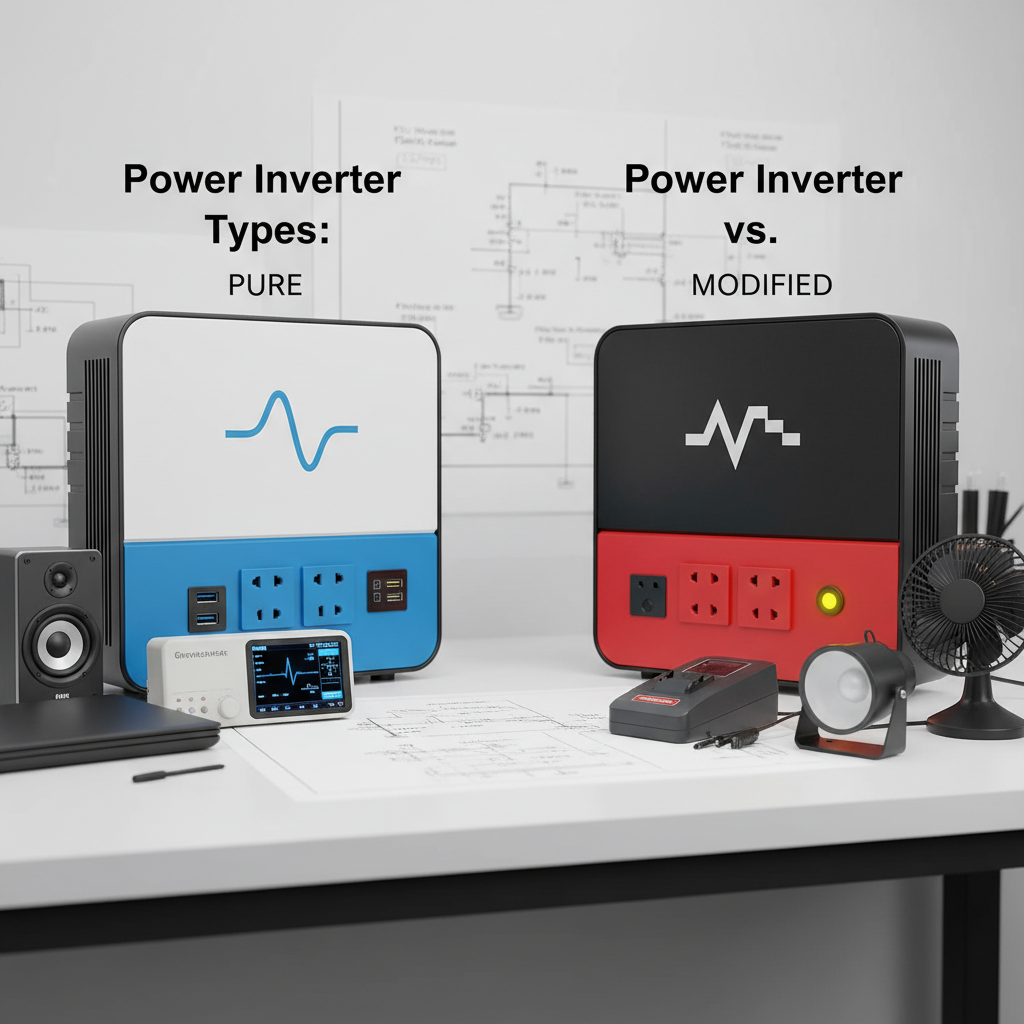
When selecting the best power inverter for your needs, it’s crucial to understand the different types available in the market, each tailored for specific applications. The main categories of power inverters include pure sine wave and modified sine wave inverters. According to a report by Grand View Research, the global power inverter market is expected to reach USD 12.4 billion by 2025, highlighting the growing demand for clean and efficient energy solutions across various sectors.

Pure sine wave inverters, which produce a smooth and consistent electrical output, are ideal for sensitive electronics, ensuring that devices like computers and medical equipment operate safely and effectively.

On the other hand, modified sine wave inverters, while typically less expensive and suitable for simpler devices, may not provide the same level of performance for sensitive gadgets. The International Energy Agency's study indicates that the shift towards renewable energy sources is driving up the adoption of advanced power inverters, particularly in off-grid solar applications. Users should carefully consider their power needs, the types of devices they plan to use, and whether portability is a priority. By understanding these fundamentals, they can make informed decisions that align with their energy requirements.
Key Features to Consider When Choosing a Power Inverter

When selecting a power inverter, it is essential to focus on key features that align with your specific energy needs. One critical aspect is the inverter type—pure sine wave or modified sine wave. According to the International Electrotechnical Commission, pure sine wave inverters are recommended for sensitive electronics, as they provide a consistent electrical output similar to grid power. In contrast, modified sine wave inverters are generally less expensive but may cause issues with more sophisticated devices, such as laptops or medical equipment.

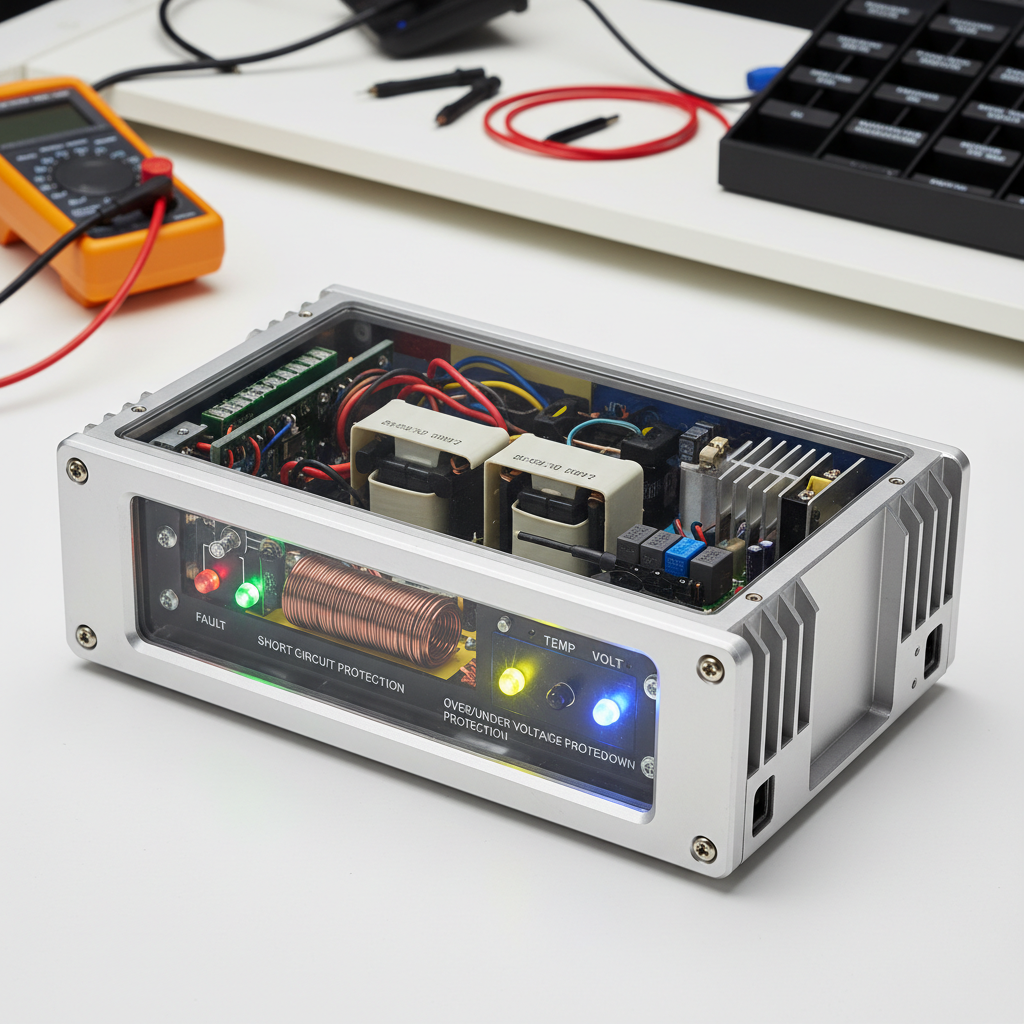
Another vital feature to consider is the inverter's wattage rating. The U.S. Department of Energy suggests calculating the total wattage of all devices you plan to power simultaneously. This calculation ensures you choose an inverter that can handle your load without risk of overheating or damage. Additionally, look for inverters with built-in protection features, such as over-voltage protection, thermal shutdown, and short circuit protection, which can enhance safety and durability. Additionally, the inverter's efficiency rating, typically between 85-95%, directly impacts fuel consumption and battery life, making it an important factor in your selection process.

Power Inverter Features Comparison

Top 10 Power Inverters of 2025: Performance and Value Comparison

When selecting the best power inverter in 2025, understanding the performance and value of various options is crucial. Our top ten list highlights inverters that excel in efficiency, power output, and reliability. Look for inverters with high conversion efficiency ratings to maximize the use of your input power. Brands that offer advanced safety features and warranties tend to provide better long-term value, ensuring peace of mind as you utilize your devices.

Tips for choosing the right inverter include assessing your power needs carefully. Calculate the total wattage of the devices you plan to run simultaneously to ensure you select an inverter with adequate capacity. Also, consider whether you need a modified sine wave or pure sine wave inverter; the latter is often necessary for sensitive electronics, which require a cleaner power output for optimal performance. Lastly, pay attention to user reviews and expert recommendations, as they provide invaluable insights into real-world performance and reliability.

Additionally, it's wise to check for portability features if you intend to use your inverter on the go. Lightweight and compact models can be a game changer for outdoor adventures or emergency preparations. Investing in a reputable brand not only boosts performance but also enhances the longevity of the inverter, making it a worthwhile addition to your gear.

Essential Safety Features and Ratings for Power Inverters

2025 How to Choose the Best Power Inverter for Your Needs: A Complete Guide

When selecting a power inverter, understanding essential safety features and ratings is crucial to ensure optimal performance and protection. One of the primary safety features to consider is short circuit protection, which prevents damage to the inverter and connected devices during a fault. Moreover, overvoltage and undervoltage protection systems are vital; they safeguard your equipment by shutting down the inverter if voltage levels fall outside a safe range. Look for inverters that incorporate thermal shutdown capabilities, as these prevent overheating by automatically turning off the device when temperatures exceed normal limits.

In addition to safety features, ratings like continuous power output and peak power capacity are significant indicators of an inverter's reliability. The continuous power rating reflects how much power the inverter can provide over an extended period, while the peak power rating indicates its ability to handle short bursts of high demand. It is advisable to choose an inverter with a power output that exceeds your needs—typically, 20-30% more—to accommodate any unexpected surges. By carefully evaluating these safety features and ratings, you can ensure your power inverter meets your requirements while providing reliable and safe operation.

Tips for Maintaining and Optimizing Your Power Inverter's Performance

When it comes to maintaining and optimizing your power inverter's performance, regular maintenance is crucial for longevity and efficiency. According to a report by the National Renewable Energy Laboratory, proper maintenance practices can enhance the lifespan of power inverters by up to 25%. Regular checks of connections and cables, for signs of wear or corrosion, can prevent energy loss and keep your system operating at peak performance. It's advisable to clean the inverter regularly to remove dust and debris that may affect airflow and cooling, thus reducing the risk of overheating.

Moreover, understanding and adhering to manufacturer guidelines for use can significantly improve your inverter’s efficiency. An industry study indicates that ensuring your inverter operates within specified load limits can yield a 15% boost in performance. Furthermore, implementing an appropriate battery management system can optimize energy storage and extend battery life, ultimately improving your power inverter's overall efficiency. By following these tips and maintaining a proactive approach, users can ensure their power inverters serve them effectively for years to come.