
What is an Industrial Ethernet Switch and How Does it Work?
An Industrial Ethernet Switch is a critical component in modern industrial networking. It enables reliable communication between various devices in harsh environments. Designed to withstand extreme temperatures and vibrations, these switches fulfill the demands of industrial operations.
In factory automation, an Industrial Ethernet Switch ensures fast data transmission. It connects machines, sensors, and computers in a seamless network. This switch prioritizes data packets, which enhances real-time communication. Industries use it to improve efficiency and reduce downtime. However, misconfigurations may lead to network vulnerabilities. Regular maintenance and updates are essential to ensure optimal performance.
Understanding how an Industrial Ethernet Switch operates can transform network reliability in industrial settings. By learning its features and functions, operators can troubleshoot issues more effectively. This leads to better system integration and increased overall productivity.
What is an Industrial Ethernet Switch?
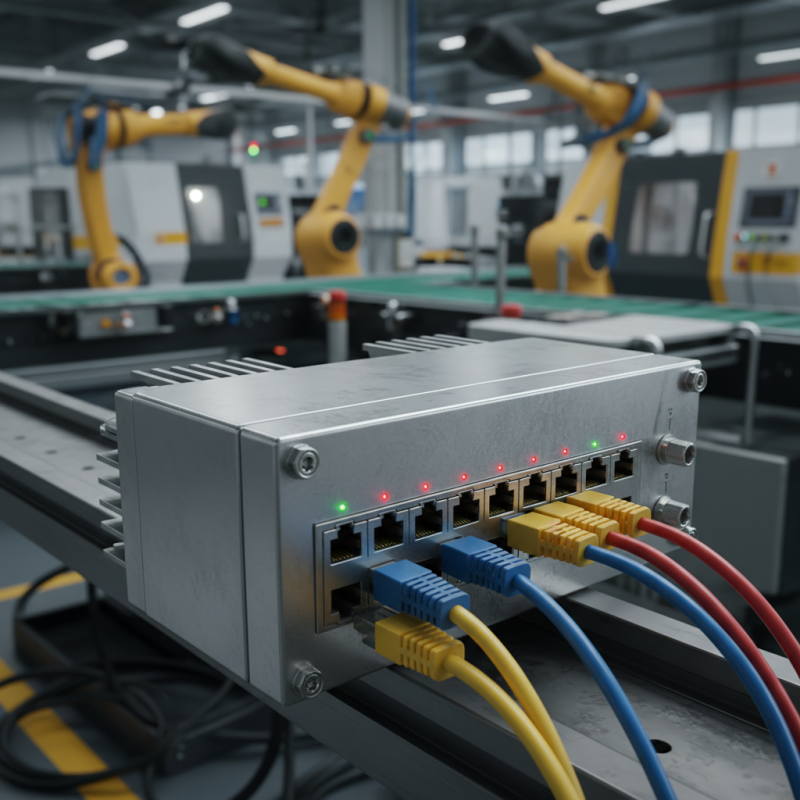
Industrial Ethernet switches are critical components in modern manufacturing and automation. They facilitate communication between various devices within an industrial network. These switches handle data traffic and ensure seamless connectivity. According to a report by ResearchAndMarkets, the global industrial Ethernet switch market is expected to grow by 15.83% from 2021 to 2027. This growth highlights the increasing reliance on robust networking solutions in industrial settings. An industrial Ethernet switch functions similarly to traditional Ethernet switches but is built to withstand harsh environments. They often feature rugged enclosures, extended temperature ranges, and protection from dust and moisture. This durability is essential as poor network performance can lead to significant downtime and financial losses. Reports from industry experts indicate that industrial disruptions can cost companies up to $260,000 per hour. The complexity of these systems can pose challenges. Not all industrial Ethernet switches are created equal; some may prioritize speed over reliability. Identifying the right switch for specific applications is crucial. Users must assess their network's size, the type of data being processed, and environmental conditions. A mismatch can result in inefficiencies or vulnerabilities, which could compromise the entire network.

Key Features of Industrial Ethernet Switches
Industrial Ethernet switches play a vital role in modern industrial networking. They enhance connectivity in automation systems, enabling seamless communication between devices. A reliable switch ensures data transfers are efficient and timely, which is critical in real-time applications.
Key features of industrial Ethernet switches include robustness and high reliability. Designed to withstand harsh environments, these switches typically operate within a wider temperature range. Reports indicate that up to 70% of industrial Ethernet switch failures occur due to environmental stress. Therefore, selecting a switch with a rugged chassis is essential. Furthermore, advanced features such as Power over Ethernet (PoE) support, which can power devices like IP cameras and sensors, add significant value to network infrastructure.
Tip: Always assess the specific needs of your network before purchasing a switch. Consider factors such as the number of devices, data traffic, and environmental conditions. Another important aspect is redundancy. Implementing redundancy features can greatly reduce downtime in case of hardware failure. Remember, not all switches come with the same level of fault tolerance.
How Industrial Ethernet Switches Facilitate Network Communication
Industrial Ethernet switches play a crucial role in network communication. They connect multiple devices in manufacturing and process automation environments. These switches ensure reliable data transmission in real-time, which is critical for operations.
With built-in mechanisms, these switches manage data flow effectively. They use protocols that enhance communication speed, reducing delays. While they offer remarkable benefits, poor configuration can lead to network issues. Regular assessments of network performance are essential.
**Tip:** Always monitor network settings to ensure optimal performance. Adjust configurations when necessary to prevent data loss.
Another advantage is their durability. Designed to withstand harsh industrial conditions, these switches maintain functionality even in extreme temperatures. Despite this toughness, they still require periodic maintenance. Neglecting this can result in unexpected downtime.
**Tip:** Schedule routine checks to catch potential problems early. This proactive approach can save both time and resources.
Network Communication through Industrial Ethernet Switches
Differences Between Industrial and Standard Ethernet Switches
Industrial Ethernet switches and standard Ethernet switches serve similar functions, but they have distinct differences. One major difference is the environment in which they operate. Industrial switches are designed to withstand harsh conditions. These conditions include extreme temperatures, humidity, and electromagnetic interference. In contrast, standard switches operate in controlled environments, like offices or data centers. They might not last long in demanding industrial settings.
Another key difference lies in durability and reliability. Industrial Ethernet switches are built with robust materials. They often come with features like redundant power supplies and extended warranties. This ensures they remain operational even during power fluctuations. Standard switches typically lack this level of resilience. As a result, they may fail under stress, leading to costly downtime.
Moreover, industrial switches often include advanced networking features. These can include the ability to support real-time data transmission and extensive management options. Standard switches may lack these, as they focus on basic connectivity. Understanding these differences is crucial for choosing the right switch for your operational needs.
Applications of Industrial Ethernet Switches in Various Industries
Industrial Ethernet switches play a vital role across various sectors. They enable seamless communication in manufacturing, transportation, and energy management. In the manufacturing sector, for example, effective networking is crucial. According to a report by MarketsandMarkets, the industrial Ethernet market is expected to reach $22.6 billion by 2026, highlighting its importance.
In the transportation industry, these switches enhance data flow in rail systems and logistics hubs. A study from the International Society of Automation noted that over 70% of companies adopted Industrial Ethernet to improve operational efficiency. Yet, challenges remain. For instance, network downtime can lead to significant losses. Companies must invest in redundancy and rigorous maintenance plans.
Energy management has also embraced Industrial Ethernet switches. They facilitate communication between wind turbines and grid systems. The global energy sector's adoption of industrial networking is projected to grow by 15% annually. As industries evolve, reliance on robust, agile networks will only increase. Each sector's specific challenges necessitate tailored solutions.
Article Source:
At Premium PSU, we are specialists in designing and manufacturing power conversion systems for the industrial market. Our product range includes high reliability power supplies from 50W to 72kW.
PREMIUM PSU
C/ Dolors Aleu, 19-21, 2nd Floor
08908 – Hospitalet de Llobregat
Barcelona-SPAIN
t.+34 93 223 26 85