What is a Power Inverter and How Does It Work?

A power inverter is a crucial device for converting direct current (DC) into alternating current (AC). This conversion allows everyday electronic devices to function using a standard power supply. Power inverters are commonly found in various applications, from renewable energy systems to automotive use.

Understanding how a power inverter works can unveil its importance in modern society. These devices often come with different specifications and functions. Some may be more efficient than others, raising questions about their practical use.

While a power inverter serves an essential role, it’s not without limitations. Inefficiencies can arise, leading to energy loss. Knowing how to select the right power inverter requires careful thought and research. It’s important to consider size, type, and specific needs before making a decision.
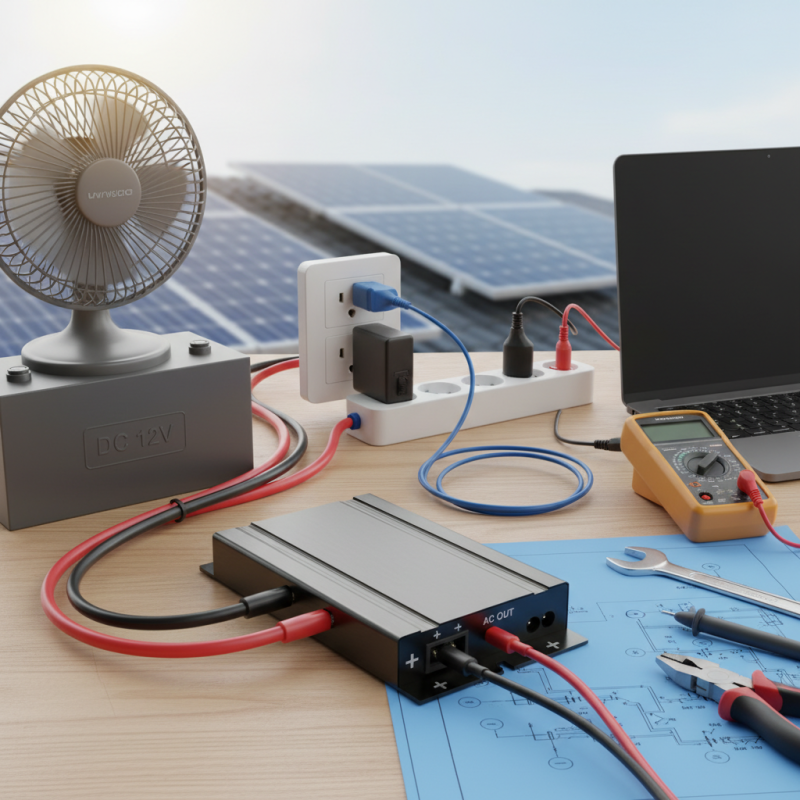
What is a Power Inverter and How Does It Work?

What is a Power Inverter? Definition and Functionality

A power inverter is a device that converts direct current (DC) into alternating current (AC). This is essential for using DC-powered devices with standard AC power sources. For example, batteries generate DC power, while most household appliances run on AC. Without an inverter, many electronics would be useless.


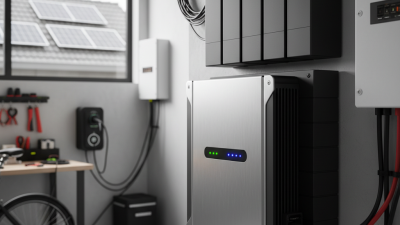
The functionality of a power inverter lies in its ability to switch the direction of electrical flow. It transforms voltage levels to match the required output, making it versatile for various applications. Many people rely on inverters during power outages. They connect their equipment to a battery or solar panel, ensuring a continuous power supply. However, efficiency can vary. Some inverters struggle with high loads, causing energy losses.


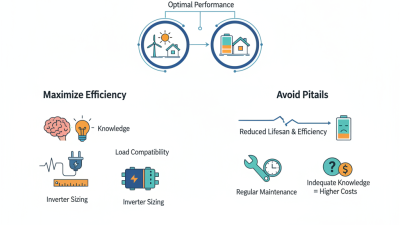
Issues can arise, such as overheating or poor performance with incompatible devices. Users might find that not all inverters work equally well with their gadgets. It's important to research compatibility and efficiency ratings before buying. A little preparation can save headaches later on.
Types of Power Inverters: Modified Sine Wave vs. Pure Sine Wave

Power inverters convert direct current (DC) into alternating current (AC). This is essential for running AC devices from sources like batteries or solar panels. There are two main types of power inverters: modified sine wave and pure sine wave.

Modified sine wave inverters are more affordable. They generate a simpler waveform. Many appliances, such as lights and some small electronics, work well with modified sine wave. However, sensitive equipment, like audio devices or medical machines, may not perform efficiently. According to industry reports, about 70% of consumers choose modified sine wave for cost-effectiveness.

Pure sine wave inverters mimic the quality of conventional grid power. These are ideal for sensitive electronics. They provide clean, stable power, ensuring the longevity of devices. Though pricier, they can save money in repairs over time. Reports indicate pure sine wave inverters can reduce equipment wear by up to 30%.

**Tip:** For occasional use, a modified sine wave inverter may suffice. If using sensitive electronics regularly, investing in a pure sine wave option pays off. Always evaluate your specific needs before choosing an inverter type.

Key Components of a Power Inverter: Understanding Its Design

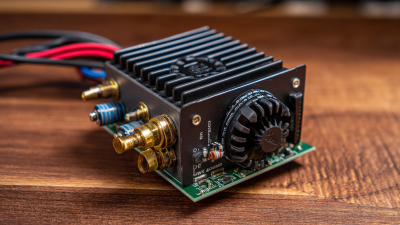
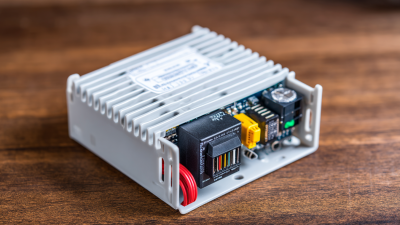
Power inverters are crucial in converting direct current (DC) to alternating current (AC), allowing various devices to function. Understanding their key components is essential. The heart of a power inverter is the oscillator, which generates a square wave. This component influences efficiency, with research showing that well-designed inverters can achieve up to 90% efficiency. However, many designs still struggle to maximize this potential.

Another vital component is the transformer. It steps up the voltage, ensuring that energy is transmitted effectively. The size and quality of the transformer can directly impact performance. Studies have shown that inadequate transformers can hamper functionality, leading to power losses. The control circuitry plays a role as well. It regulates the output frequency and voltage, but poor control designs can result in instability, causing devices to malfunction.

Lastly, cooling systems are often overlooked. High operational temperatures can degrade performance. Reports indicate that many inverters fail due to thermal issues. Proper ventilation is key, yet many installers neglect this aspect. The balance of these components is delicate. Optimizing their integration is critical for maximizing efficiency and reliability.

How Power Inverters Function: The Energy Conversion Process

What is a Power Inverter and How Does It Work?

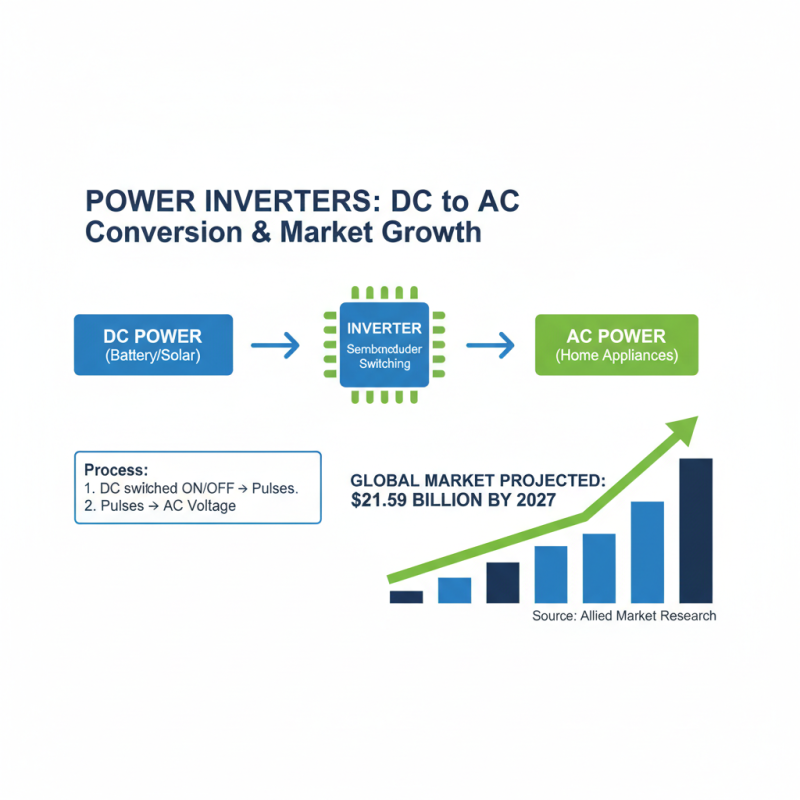
Power inverters are essential devices that convert direct current (DC) to alternating current (AC). This process is crucial in enabling various electronic devices to function properly. The conversion begins with an inverter using semiconductor technology to switch the input DC voltage on and off. This action creates a series of pulses that are then transformed into AC voltage. According to a report by Allied Market Research, the global power inverter market is projected to reach $21.59 billion by 2027, indicating a growing reliance on these systems.

The energy conversion process within power inverters involves multiple stages. Initially, the DC voltage feeds into a transformer that steps it up to a suitable AC level. Inverters use different techniques like sine wave generation to produce clean output. However, not all inverters achieve high efficiency. Some models can have conversion losses of up to 20%. Such inefficiencies remind us that improvements in inverter technology remain essential for maximizing energy use.

Despite these advancements, challenges persist. For instance, some inverters might struggle under varying loads. This variation can lead to reduced performance and overheating. It is vital for engineers to evaluate the thermal management of these devices to ensure reliability. As the demand for renewable energy solutions rises, the importance of efficient power inverters cannot be overlooked.

Efficiency Ratings and Performance Metrics of Power Inverters

Power inverters play a critical role in converting direct current (DC) to alternating current (AC). Understanding their efficiency ratings is key to knowing their performance. Efficiency is usually expressed as a percentage. A higher percentage means more power is converted effectively. Most inverters fall between 80% and 95% efficiency. However, there are many factors that can affect these numbers.

Temperature is a significant factor. As the inverter heats up, efficiency may drop. This happens in high-demand situations. Load size also matters. An inverter may not perform well when the load is too low or too high. It's important to choose an inverter rated for your specific needs. This consideration can lead to better performance.

Performance metrics also include total harmonic distortion (THD). A lower THD means cleaner power and less strain on devices. Many users overlook this and face issues later. Monitoring voltage levels can also help in evaluating performance. Users should be aware of these metrics when selecting an inverter. Being informed can lead to better choices and reduced frustrations.

What is a Power Inverter and How Does It Work? - Efficiency Ratings and Performance Metrics of Power Inverters

Inverter Type Output Power (W) Efficiency (%) THD (%) Weight (kg)
Pure Sine Wave 2000 90 3 5.5
Modified Sine Wave 1500 85 20 4.0
Grid Tie Inverter 3000 95 2 3.2
Off Grid Inverter 2500 88 5 6.0