
Top 10 Portable EV Car Chargers for Global Buyers?
In today's world, electric vehicles (EVs) are gaining momentum. However, owning an EV comes with challenges, particularly in charging. For many, an EV Car Portable Charger can be a game-changer. It provides convenience and flexibility for on-the-go charging.
Choosing the right portable charger can be overwhelming. The market offers various options, each with unique features and benefits. Some chargers are compact and lightweight, perfect for travel. Others boast rapid charging times and advanced safety features. As a buyer, understanding your needs is crucial to making an informed choice.
While portable chargers are incredibly useful, they are not without pitfalls. Some may lack compatibility with all EV models. Others might not deliver the promised charging speeds. It’s essential to research thoroughly. User reviews can offer insights into real-world performance. Ultimately, selecting the ideal EV Car Portable Charger requires balancing convenience with reliability.
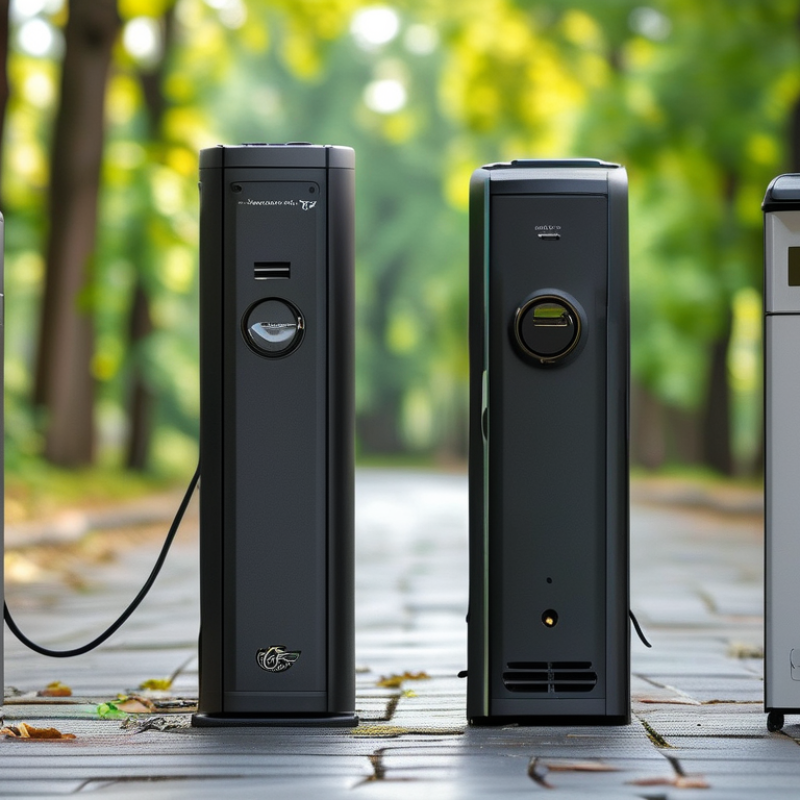
Overview of Portable EV Chargers: Features and Market Trends
Portable EV chargers are gaining traction in the automotive industry. According to a recent report by Fortune Business Insights, the global portable EV charger market is projected to reach $1.5 billion by 2028. This growth reflects an increasing demand for flexible charging solutions worldwide. Many drivers now seek products that offer convenience while ensuring compatibility with various EV models.
When selecting a portable charger, consumers prioritize features such as charging speed and durability. The average charging time for portable units varies significantly. Some can provide upwards of 25 miles of range per hour. However, factors like vehicle type and battery size affect these numbers. Meanwhile, usability remains a concern. Some chargers require technical knowledge that can deter average users. This highlights an area for improvement within the industry.
Market trends indicate an uptick in smartphone integration and smart features in portable chargers. As electric vehicles evolve, expectations rise. Users desire advanced features such as mobile app controls and usage analytics. However, balancing sophistication with ease of use remains challenging. Innovations should prioritize user-friendliness while integrating these complex functions. This approach will ensure broad adoption and satisfaction among global buyers.

Comparison of Charging Speeds: AC vs. DC Portable EV Chargers
When considering portable EV chargers, understanding charging speeds is crucial. AC and DC chargers serve different needs. AC chargers are typically slower, offering around 3.7 kW to 22 kW. These are suitable for overnight charging at home. Meanwhile, DC chargers can provide power ranging from 50 kW to 350 kW. This speed translates to faster charging during a road trip but can be less practical at home due to high installation costs.
According to the International Energy Agency, 2022 saw a significant increase in global EV adoption. Fast charging stations are vital for long-distance travel. Many buyers still underestimate the time needed for a full charge with AC options, often leading to frustration. Users can make informed choices by weighing their daily driving range against available charging infrastructure.
Tip: When selecting a portable EV charger, assess your charging habits. Consider where you'll charge your vehicle most often. A versatile solution that balances AC and DC capabilities may serve best. Keep in mind development in voltage and power outputs is ongoing. This sector is evolving; staying informed can be challenging yet essential. Make sure to review local resources and regulations before installation.
Battery Capacity Considerations: Impact on Charging Time and Efficiency
When considering portable EV car chargers, battery capacity plays a vital role. A larger battery can increase charging time. However, it can also enhance efficiency. Depending on usage, the ideal battery capacity may vary. Drivers should reflect on their specific needs when choosing a charger.
The charging time of an EV depends significantly on the battery size. Smaller batteries can charge faster but may have limited range. On the other hand, a larger battery may take longer but offers a greater distance per charge. This trade-off is essential for many buyers. Reflecting on this will help in making an informed decision.
Not all chargers perform equally under various conditions. Environmental factors can impact charging efficiency. For instance, extreme temperatures may affect the battery's performance. It is crucial to acknowledge that a portable charger must be versatile to meet different demands. Finding the balance between capacity and practicality can be challenging yet rewarding.
Key Brands and Innovations: Leading Portable EV Charger Manufacturers
The rise of electric vehicles (EVs) has brought a surge in portable EV chargers. These chargers offer flexibility for users who need a reliable power source on the go. Many manufacturers are now focusing on innovation, ensuring that their products are both efficient and user-friendly. Features like lightweight design and fast charging capabilities are becoming common.
Top brands emphasize safety and compatibility with various EV models. Some chargers have advanced tech, including app connectivity for tracking charging status and energy consumption. These innovations improve user experience but come with a price; quality often means higher costs.
Despite the progress, challenges remain. Not all chargers provide the same speed or efficiency. Depending on local electricity access, performance can vary. Buyers must be aware of these factors when selecting a charger. Each choice should reflect personal needs and usage scenarios. Thus, research and hands-on testing are essential steps in this evolving market landscape.
Top 10 Portable EV Car Chargers - Market Analysis
This chart displays the charging speeds (in kW) of top portable EV car chargers, illustrating their performance in the market. The data shows a variance in charging capabilities, which is crucial for consumers selecting the right charger for their needs.
Global Regulations and Standards: Compliance for EV Charging Solutions
As the demand for electric vehicles (EVs) grows, so does the need for compliant charging solutions. Global regulations ensure safety and interoperability. Understanding these standards is crucial for manufacturers and consumers alike. Compliance can significantly impact your experience with portable EV chargers.
Tips: Always check if a charger meets local safety standards. Look for certifications that demonstrate compliance. This can help prevent potential hazards.
Portable EV chargers vary widely in design and function. Adapting to regional standards can be complex. Not every device will work seamlessly across different markets. Users may encounter compatibility issues with charging connectors. Testing your equipment before travel is advisable.
Tips: Consider chargers that offer multiple plug options. This flexibility can save time and frustration when charging on the go.
As regulations continue to evolve, staying informed is vital. Being aware of regional requirements can enhance your charging experience. Sometimes, shortfalls in compliance can lead to malfunction or unsafe charging. Commitment to quality and safety should guide every purchase decision.
Top 10 Portable EV Car Chargers for Global Buyers
| Model | Charging Power (kW) | Charging Time (Hours) | Weight (lbs) | Compatibility | Price Range (USD) |
|---|---|---|---|---|---|
| Charger A | 3.6 | 8 | 5 | Level 1 & 2 | 200 - 300 |
| Charger B | 7.2 | 4 | 6 | Level 2 | 400 - 600 |
| Charger C | 11 | 2.5 | 8 | Level 2 | 500 - 800 |
| Charger D | 9.6 | 3 | 7 | Level 2 | 350 - 550 |
| Charger E | 1.4 | 10 | 4 | Level 1 | 100 - 150 |
| Charger F | 22 | 1 | 10 | Level 2 | 700 - 1000 |
| Charger G | 3.3 | 9 | 5.5 | Level 1 | 200 - 250 |
| Charger H | 7.2 | 4.5 | 6 | Level 2 | 300 - 500 |
| Charger I | 10 | 2 | 9 | Level 2 | 800 - 1500 |
| Charger J | 15 | 1.5 | 11 | Level 2 | 600 - 900 |
Article Source:
At Premium PSU, we are specialists in designing and manufacturing power conversion systems for the industrial market. Our product range includes high reliability power supplies from 50W to 72kW.
PREMIUM PSU
C/ Dolors Aleu, 19-21, 2nd Floor
08908 – Hospitalet de Llobregat
Barcelona-SPAIN
t.+34 93 223 26 85