Top 5 Programmable Power Supply Models for Every Need?
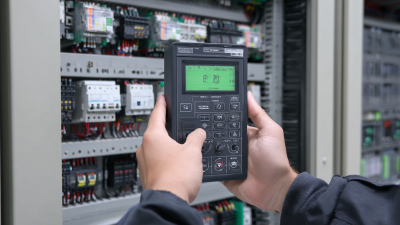
In the ever-evolving landscape of electronics, the demand for programmable power supply units has surged. According to a recent market report by Research and Markets, the global programmable power supply market is projected to reach $1.1 billion by 2026. This growth can be attributed to the increasing need for precision in various applications, including testing new devices, LED production, and automotive sector innovations.
Programmable power supplies offer adjustable voltage and current outputs, making them essential tools for engineers and researchers. They enable users to simulate real-world conditions and test devices under various scenarios. Yet, with so many models available, selecting the right one remains challenging. Some models excel in precision, while others shine in adaptability. Each use case presents unique requirements that may lead to reflections on design and functionality.
As we explore the top five programmable power supply models, it's vital to consider these aspects. Can the chosen model meet the specific needs of a project? Will it provide the needed flexibility? We must continuously evaluate our choices to make informed decisions. Understanding the landscape of programmable power supplies not only enhances our work but also fuels innovation in technology.
Overview of Programmable Power Supplies and Their Applications
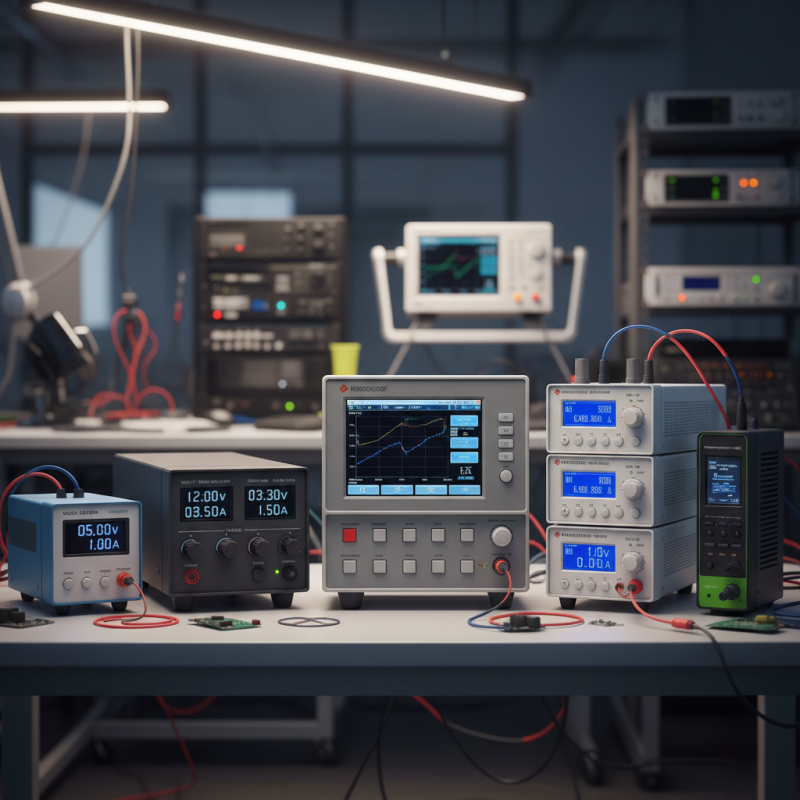
Programmable power supplies play a vital role in various industries. They provide adjustable voltage and current outputs. This feature allows engineers to simulate different operating conditions. In research laboratories, for example, they are used to test electronic components under specific scenarios. The precision of these supplies is crucial for experimental accuracy.
In manufacturing, programmable power supplies can streamline processes. By automating power supply settings, they improve efficiency. However, their complexity can lead to user errors. Misconfiguration may result in faulty tests or damaged equipment. Regular training and updates are essential to mitigate these risks.
These power supplies are also invaluable in education and prototyping. Students can learn about electronics in a hands-on way. Yet, understanding all the functionalities can be overwhelming. Many users struggle with the interface. It requires patience and practice to master fully. Despite these challenges, programmable power supplies are indispensable tools in modern technology.
Top 5 Programmable Power Supply Models for Every Need
This bar chart displays the maximum output voltage and current capabilities of the top 5 programmable power supply models, showcasing their suitability for various applications.
Key Features to Consider When Choosing a Programmable Power Supply
When choosing a programmable power supply, specific features are essential. Voltage and current output range plays a critical role. Ensure it meets your requirements. Some tasks need high precision, while others might require flexibility. You should think about how much power you need.
Consider the programming capabilities. A user-friendly interface can save time. Complexity can lead to mistakes. Look for models that support both manual and remote programming. This flexibility allows for various testing scenarios. Built-in safety features like overvoltage and overcurrent protection can prevent damage.
Portability is another point to ponder. If you plan to move the power supply often, size and weight matter. Some compact models are surprisingly powerful. You might find trade-offs here; smaller units may lack advanced features. Customizability can also be a plus, allowing you to configure settings for specific applications. Not every feature is necessary, but finding the right balance is key.
Top 5 Programmable Power Supply Models with Specifications
When choosing a programmable power supply, specifications are crucial. Look for key features like voltage range, current output, and precision. A model offering a wide voltage output can handle various applications. Consider options with adjustable current settings for better flexibility. It's essential to examine thermal performance and noise levels as they can impact sensitive equipment.
Another vital aspect is user interface. Models with intuitive controls simplify setup. LCD displays enhance readability, ensuring clear visibility of readings. Compact designs are also preferred in crowded workspaces, but remember to verify durability. Not all models balance size and functionality effectively. Some may lack specific outputs needed for particular tasks.
Testing multiple models before finalizing your choice can reveal significant differences. Find one that meets your specific requirements without overcomplicating operations. Ultimately, the ideal power supply should match your needs, offering reliability and ease of use. Keep an eye on the specifications that matter most before making a decision.
Comparative Analysis of Performance and Pricing for Each Model
When choosing a programmable power supply, it's essential to compare performance and pricing. Different models offer varied features. Some excel in voltage accuracy, while others focus on current stability. Knowing your requirements can help navigate these options.
Tips: Always look for user reviews. They provide real-world insights. Consider the specifications that matter most to your projects. For example, if you require a stable output for sensitive equipment, prioritize accuracy over cost.
Prices vary significantly. Some high-performance models may be expensive but worth the investment. Less costly options can still perform well for basic tasks. Don't overlook warranty and support service. These factors can save you time and money in the long run.
Tips: Make a checklist of your needs. This helps in narrowing down choices. Sometimes, a mid-range model can meet all requirements without breaking the bank. Compare both specifications and client feedback to find the best fit for your needs.
User Reviews and Recommendations for Optimal Usage Situations
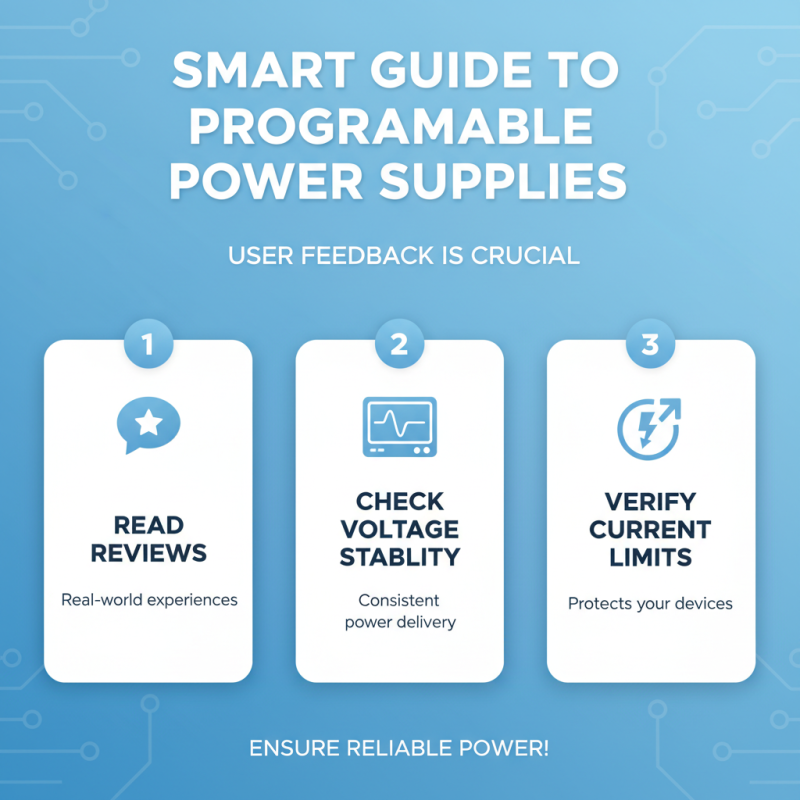
When choosing a programmable power supply, user feedback is essential. Reviews often highlight how well a model meets specific needs. For instance, users advise checking voltage stability and current limits. This ensures that devices receive the correct power without fluctuations.
One common recommendation is to consider the interface. A user-friendly interface can save time and reduce errors. Look for models that offer clear displays and intuitive controls. This makes programming easier, especially for beginners. It's worth noting that not all features are equally useful. Some advanced functionalities might be unnecessary for simple applications.
Tips: Always read user reviews for insights. Many users share useful experiences that can guide your choice. Don’t rush your decision. Reflect on your specific requirements before purchasing a model. Choosing the right power supply can impact your projects significantly.
Related Posts
-
Maximize Efficiency with These Digital Strategies for Your Programmable Power Supply Usage
-
Why Do You Need an AC to DC Converter for Your Devices?
-
10 Digital Tips for Optimizing Efficiency in DC DC Power Supply Systems
-
Understanding DC to AC Converters: Key Specs and Trends Shaping the Industry in 2023
-

10 Essential Tips for Understanding and Using Buck Converters Effectively
-
How to Select the Best Buck Converter for Efficient Power Management in Your Application

At Premium PSU, we are specialists in designing and manufacturing power conversion systems for the industrial market. Our product range includes high reliability power supplies from 50W to 72kW.
PREMIUM PSU
C/ Dolors Aleu, 19-21, 2nd Floor
08908 – Hospitalet de Llobregat
Barcelona-SPAIN
t.+34 93 223 26 85