Top 5 UPS Power Solutions for 2025: Keep Your Devices Running Smoothly
In an increasingly interconnected world, the reliability of power supply is paramount for both commercial and residential sectors. As we approach 2025, the demand for uninterrupted power supply (UPS) systems has become more critical than ever. According to industry expert Dr. James Rutherford, a leading authority in power solutions, “Investing in advanced UPS power systems today ensures that your devices will continuously perform at their best, come what may.” This emphasizes the necessity of staying ahead of the curve with the right technology.
The evolution of UPS power solutions over the years has led to significant advancements that not only enhance power reliability but also improve energy efficiency and overall performance. With potential disruptions from natural disasters, technical failures, and grid instability on the rise, understanding and implementing the best UPS power solutions is essential for safeguarding sensitive electronic equipment. As we navigate through advancements in UPS technology, we will explore the top five solutions that will define the landscape in 2025, ensuring a smooth and uninterrupted operation for all devices.
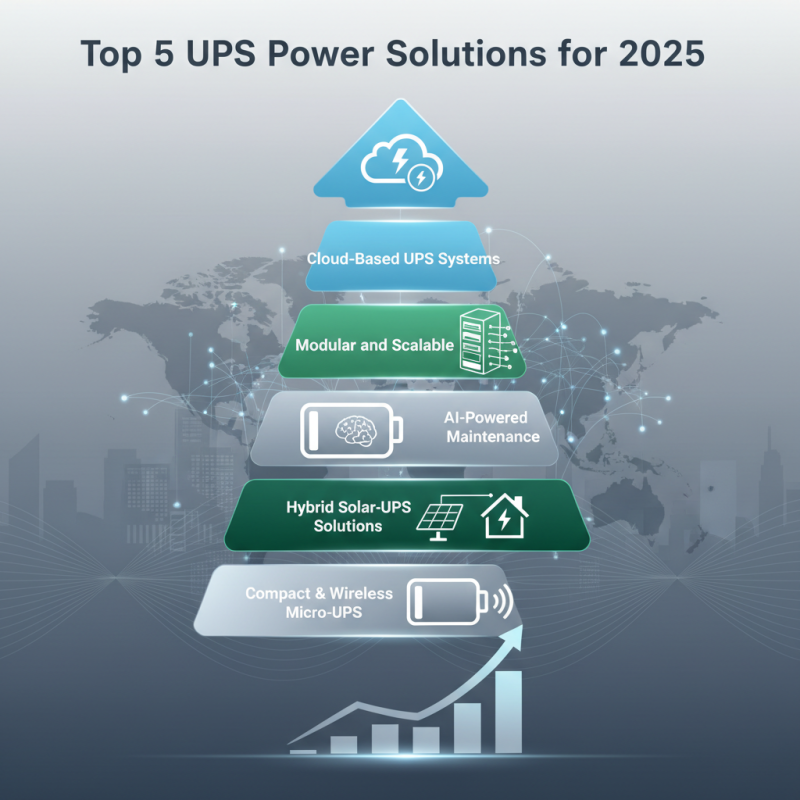
Key Features to Consider When Choosing UPS Power Solutions
When selecting an uninterruptible power supply (UPS) for your devices in 2025, several key features should guide your decision-making process.
First and foremost, consider the power capacity and scalability of the UPS unit.
According to a report by MarketsandMarkets, the global UPS market is expected to reach USD 10.66 billion by 2025, indicating increasing demand for scalable solutions that can adapt to growing power needs.
A UPS should not only provide sufficient power for immediate needs but also allow for easy expansion as your device ecosystem evolves.
Another critical aspect is the efficiency and energy management capabilities of the UPS system.
Recent findings from the International Energy Agency reveal that energy efficiency in electrical systems can save organizations up to 30% on energy costs.
Look for UPS solutions with high efficiency ratings, such as those complying with the latest energy standards.
Features like advanced battery management allow for optimal performance and prolonged battery life, ensuring that devices remain operational even during power disruptions.
Lastly, connectivity and monitoring capabilities are essential in today’s smart environments.
A robust UPS should come equipped with network management options and monitoring software that enable real-time tracking of power usage and system health.
This helps identify potential issues before they escalate, reducing downtime.
The increasing trend of IoT integration within power solutions highlights the importance of these features in maintaining seamless operations and enhancing overall device reliability.
Top Trends in UPS Technology for 2025
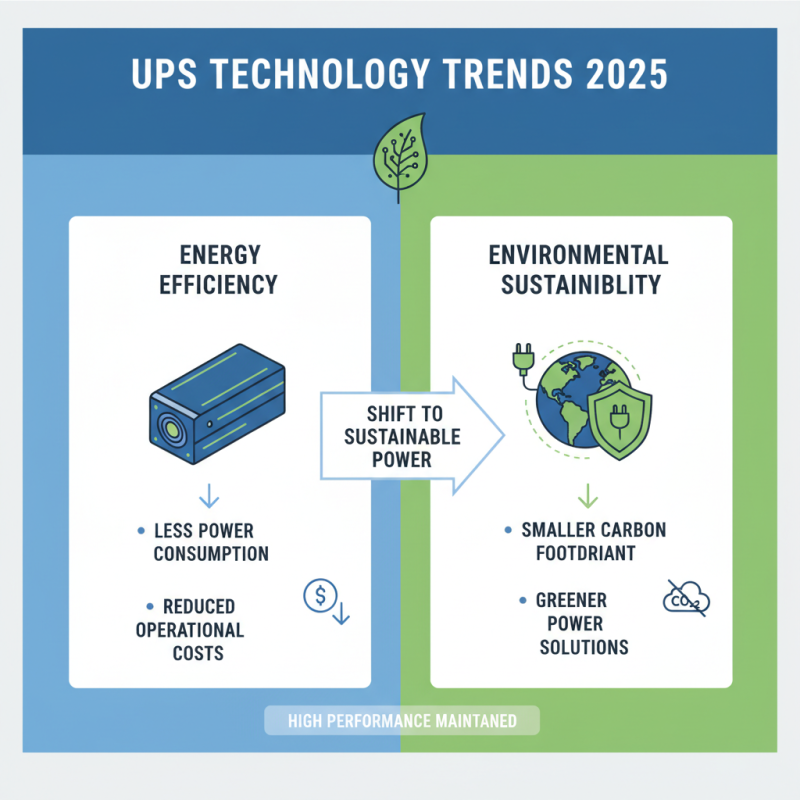
As we approach 2025, the landscape of Uninterruptible Power Supply (UPS) technology is evolving rapidly. One of the most significant trends is the shift towards more energy-efficient solutions. With growing awareness of environmental sustainability, UPS systems are being designed to consume less power while maintaining high performance. This is not only beneficial for reducing operational costs but also for minimizing the carbon footprint associated with power consumption.
Another noteworthy trend is the integration of smart technology into UPS systems. The adoption of Internet of Things (IoT) capabilities allows for real-time monitoring and management of power supplies. Users can now receive alerts and analyze performance data remotely, enhancing both reliability and efficiency. This innovation empowers businesses to anticipate potential issues and take proactive measures, ultimately ensuring that devices remain powered and operational.
Furthermore, flexibility in UPS installations is becoming increasingly important. As organizations adopt hybrid work models and embrace cloud computing, scalable and modular UPS systems will be critical. These solutions not only support growing data center needs but also adapt to evolving business environments, providing a seamless power experience across various platforms and locations. The continuous advancements in UPS technology promise a future where devices can operate smoothly, regardless of the challenges faced in power supply.
Comparison of Leading UPS Brands and Models
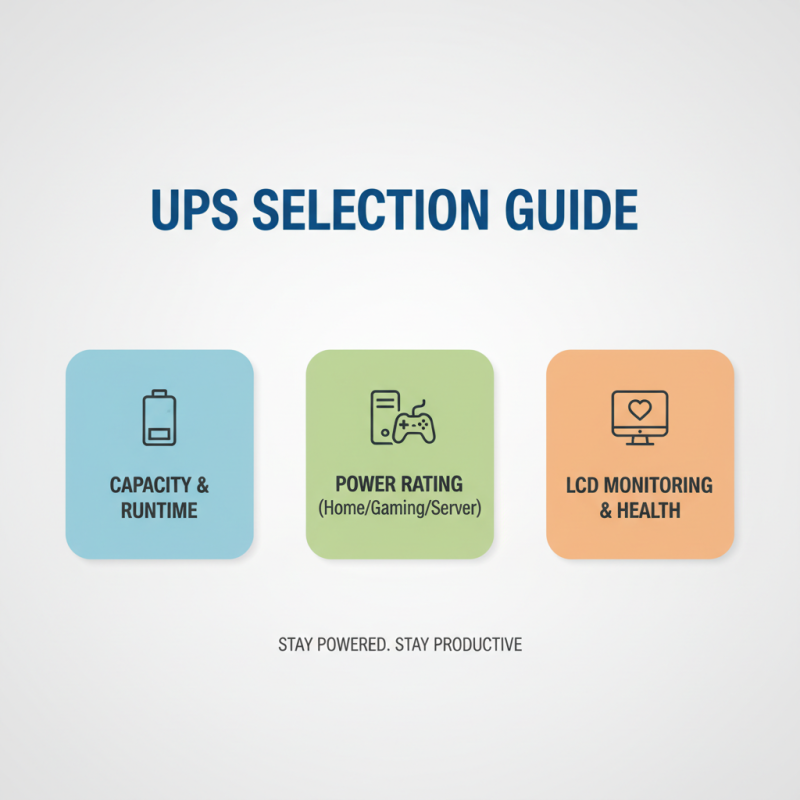
When selecting an Uninterruptible Power Supply (UPS), it's essential to understand the differences among leading brands and models. Features such as capacity, runtime, and form factor can significantly impact the performance and usability of your devices. Additionally, consider the power rating that suits your needs—whether it's for home office equipment, gaming setups, or server rooms. Top models often include an LCD display for real-time monitoring and battery health indicators, which can be invaluable for maintaining seamless operations.
Tips for choosing the right UPS include evaluating the total wattage requirements of your devices to ensure you select a model that can handle the load. Additionally, look for UPS systems with automatic voltage regulation (AVR) to protect against fluctuations in power supply that can damage sensitive equipment. If you operate in an area prone to outages, consider a UPS with extended battery options, allowing for longer backup times during power failures.
Lastly, always ensure that the UPS you choose has comprehensive features such as surge protection and a sufficient number of outlets for all your devices. Some models even offer connectivity options for remote monitoring, giving you added control over your power management strategy. By keeping these tips in mind, you can ensure that your devices remain powered and protected, no matter the circumstances.
Best Practices for Maintaining UPS Systems
When it comes to maintaining Uninterruptible Power Supply (UPS) systems, certain best practices can help ensure that your devices stay operational and protected against power fluctuations. Regular inspection and testing of the UPS should be prioritized. This includes checking battery health, verifying that all connections are secure, and assessing the output voltage for consistency. Schedule maintenance checks at least twice a year to identify any potential issues before they escalate, which can save both time and money in the long run.
Another critical aspect of UPS upkeep is proper environmental management. Ensure that the UPS is kept in a controlled environment, free from dust and moisture, which can adversely affect its performance. Additionally, maintaining adequate ventilation around the UPS unit helps prevent overheating, which could lead to system failures. Training staff responsible for the UPS systems on operational protocols and emergency procedures can further enhance the reliability of the power solution, ensuring that everyone knows how to respond effectively in case of power interruptions.
Top 5 UPS Power Solutions for 2025: Keep Your Devices Running Smoothly
| UPS Model |
Power Capacity (VA) |
Runtime (minutes) |
Form Factor |
Key Features |
| UPS Model A |
1500 VA |
30 minutes |
Tower |
LCD Display, Energy Saving, Surge Protection |
| UPS Model B |
2000 VA |
45 minutes |
Rack-Mount |
Smart Software Suite, Hot-Swap Batteries |
| UPS Model C |
3000 VA |
60 minutes |
Tower |
Network Management, LCD Status Monitoring |
| UPS Model D |
5000 VA |
90 minutes |
Rack-Mount |
Modular Battery System, High Efficiency |
| UPS Model E |
10000 VA |
120 minutes |
Tower |
Advanced Diagnostic Features, Multi-Language Support |
Future Innovations in UPS Power Solutions
As we look towards 2025, the landscape of
Uninterruptible Power Supply (UPS) solutions is set to undergo significant transformations driven by advancements in technology and the increasing demand for reliable power sources.
Future innovations are likely to focus on enhancing energy efficiency, integrating smart technology, and improving battery longevity.
Modern UPS systems will explore the use of advanced energy storage solutions, such as solid-state batteries and supercapacitors, which promise faster charge times and longer life cycles, ensuring that devices remain powered during critical outages.
Moreover, the integration of IoT (Internet of Things) capabilities will revolutionize how UPS systems operate.
These smart UPS solutions will allow users to remotely monitor power usage and battery health, enabling proactive maintenance and reducing downtime.
Machine learning algorithms can predict power failures and optimize load distribution, making operations more efficient.
The advancements in connectivity options will also enable seamless integration with building management systems, thus creating a more resilient power infrastructure.
Innovations in UPS technology will not only ensure uninterrupted power supply but also contribute to a more sustainable and environmentally friendly energy ecosystem.