
What is an Ups Electrical System and How Does it Work?
An UPS electrical system is crucial for providing backup power. It stands for Uninterruptible Power Supply. This system ensures that devices remain powered during outages.
Understanding how this system works can prevent disruptions. An UPS electrical setup usually includes batteries and control software. These elements work together to detect power loss and respond quickly.
Many businesses rely on UPS systems to protect their operations. However, not every UPS is the same. Some systems may fall short in specific situations. It's essential to evaluate the needs of your setup carefully. Are you prepared for a power outage?
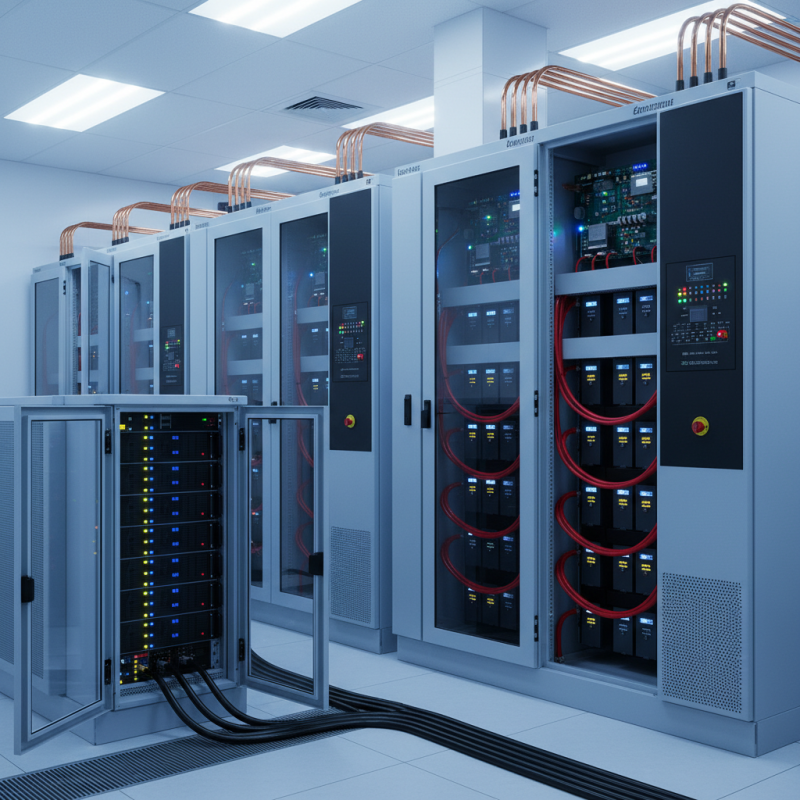
Definition of UPS Electrical System and Its Purpose
A UPS (Uninterruptible Power Supply) electrical system is essential for many industries. It provides backup power during outages. The primary purpose of a UPS is to keep critical systems operational. This helps prevent data loss and equipment damage. According to a report by MarketsandMarkets, the global UPS market is expected to reach $10.57 billion by 2025. This growth indicates a rising dependence on reliable power sources.
UPS systems come in different forms. They can be classified as offline, online, and line-interactive. Each type serves a specific need. For example, online UPS systems continuously condition the power supply. This ensures a consistent voltage, but they can be costly. Installing such systems demands careful planning and investment. A common issue is inadequate maintenance, leading to potential failures.
Another critical aspect is size and capacity. Businesses must accurately assess their power needs. Too small a UPS can result in outages during peak loads. Conversely, an oversized unit can lead to inefficiencies and increased costs. Often, companies overlook the importance of regular testing and monitoring. This can jeopardize the reliability of the power supply. A thoughtful approach can enhance the operational lifespan of a UPS electrical system.
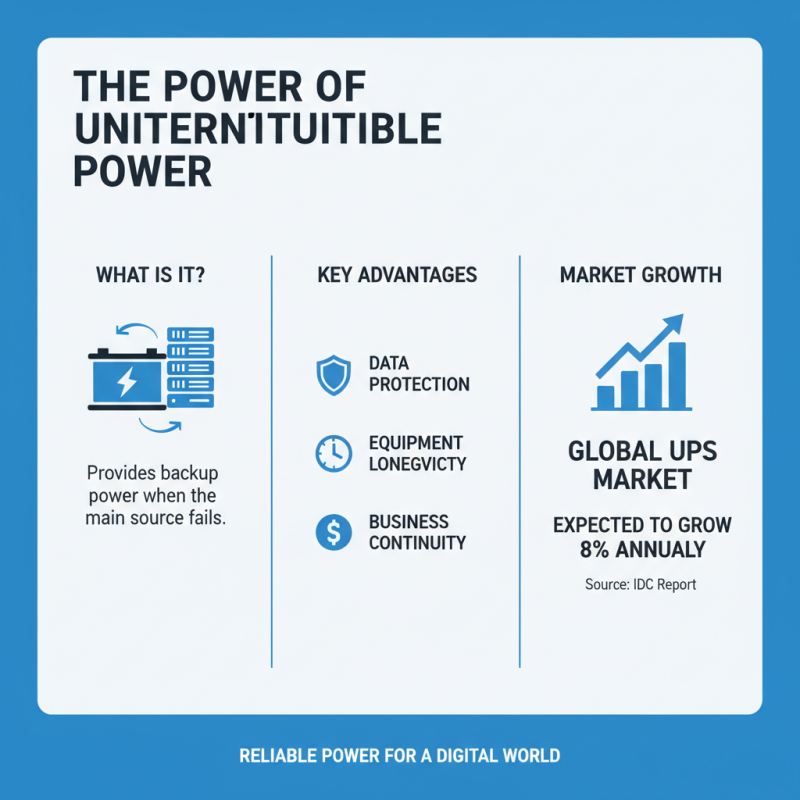
Components of a UPS Electrical System
A UPS electrical system, or uninterruptible power supply, is essential for maintaining power during outages. It consists of several key components that work together effectively. The most important part is the battery. It stores energy and provides backup power when the main supply fails. Different battery types exist, and choosing the right one can be complex.
The inverter is another crucial component. It converts battery DC power into AC power. This allows the UPS to provide power to your devices seamlessly. Sometimes, the inverter may not function as expected, which can lead to issues. Careful monitoring is necessary.
A quality UPS also includes a charge controller. This component ensures that the battery stays charged without overloading it. Surprisingly, user awareness of this component is often low. Additionally, the UPS system may have alarm notifications. These alerts inform users about battery status. However, many people overlook them.
Regular maintenance checks can prevent problems, ensuring that every component operates efficiently.
Operational Mechanism of a UPS System
A UPS system, or Uninterruptible Power Supply, plays a crucial role in maintaining consistent power. Its operational mechanism involves several key components that work together seamlessly. The heart of a UPS is often the battery. When the main power source falters, the battery provides immediate backup. It's designed to kick in within milliseconds, making sure there’s no gap in power.
The power from the battery flows through an inverter. This component converts direct current (DC) from the battery into alternating current (AC). Most devices rely on AC power. Studies show that the market for UPS systems is projected to reach over $10 billion by 2025, reflecting their growing importance in critical applications. However, the reliance on UPS systems raises questions about efficiency and lifespan. Batteries must be regularly tested and replaced to avoid unexpected failures.
Additionally, UPS systems can face challenges like overheating. Poor ventilation or heavy loads can cause them to underperform. As technology evolves, users must consider not just power needs but also the physical environment. Older systems may lack features that newer models possess, such as real-time monitoring. Thus, while UPS systems are invaluable for ensuring continuous power, careful management and updates are necessary for optimal performance.
Types of UPS Systems and Their Applications
The Uninterrupted Power Supply (UPS) system plays a vital role in ensuring that electronic devices continue to function during power outages. There are three primary types of UPS systems: offline, line-interactive, and online. Each type has its distinct applications based on specific energy needs.
Offline UPS systems are commonly used in personal computers and small business setups. They provide basic battery backup and surge protection. Line-interactive systems, on the other hand, are suitable for networking equipment. They offer more advanced features like voltage regulation. According to a recent industry report, line-interactive UPS sales have increased by 12% in the past year as businesses seek reliable solutions. Online UPS systems are the most sophisticated. They continuously convert incoming AC power to DC and back to AC, providing a constant and clean power supply, essential for data centers and critical systems.
Tip: Choosing the right UPS system is crucial. Evaluate your power needs carefully. Do not assume that one size fits all.
Investing in the wrong type of UPS could lead to inadequate backup during critical times. Monitor your equipment’s power consumption, and match it to the UPS's output capacity. Remember, not all devices will need the highest level of backup power.
Tip: Regular maintenance is key. Check the batteries and connections routinely. This can prevent unexpected failures. Being proactive can save time and resources in the long run.
Benefits of Using a UPS Electrical System
A UPS (Uninterruptible Power Supply) electrical system offers significant advantages for both businesses and individuals. According to a report from the International Data Corporation (IDC), the global UPS market is expected to grow by 8% annually, reflecting rising power instability concerns. This growth highlights the increasing dependency on reliable power solutions.
One of the primary benefits of a UPS system is its ability to provide seamless power during outages. It allows critical equipment to remain operational. For instance, hospitals rely on UPS systems to ensure that life-saving devices continue working. A power interruption can have dire consequences. Research shows that 98% of businesses experience downtime due to power outages, emphasizing the need for robust UPS support.
Additionally, UPS systems protect against power disturbances like surges and sags. According to a study by the Electric Power Research Institute (EPRI), over 80% of power quality issues stem from electrical disturbances. These issues can damage sensitive equipment. However, utilizing a UPS can mitigate potential losses significantly, ensuring business continuity. This reliability is essential for companies looking to safeguard their operations.
Related Posts
-
2025 Top 5 UPS Electrical Systems to Enhance Power Reliability and Efficiency
-
How to Choose the Right UPS Power System for Your Needs
-
Why You Need UPS Electrical Systems for Home and Business Protection
-
What is UPS Electrical and How Does it Work for Your Power Needs
-
Discover the Advantages of Implementing UPS Power Solutions for Your Business
-
5 Essential Tips to Optimize Your UPS Electrical Systems for Maximum Efficiency

At Premium PSU, we are specialists in designing and manufacturing power conversion systems for the industrial market. Our product range includes high reliability power supplies from 50W to 72kW.
PREMIUM PSU
C/ Dolors Aleu, 19-21, 2nd Floor
08908 – Hospitalet de Llobregat
Barcelona-SPAIN
t.+34 93 223 26 85