
Why is Welding Protection Essential for Safety and Quality?

Welding is a critical process in various industries. However, it comes with significant risks. Proper Welding Protection is essential for ensuring safety and quality. Expert Dr. James Carter, who specializes in welding safety, emphasizes, "Protective measures are not just an option; they are a necessity."

Welding can produce harmful rays, sparks, and intense heat. Without adequate protection, workers face serious injuries. Eye protection is vital. Burns and respiratory issues can arise from exposure. It’s not just about safety; quality can also suffer. Poor protection leads to inconsistent welds. This compromises structural integrity and can be costly.

Inadequate Welding Protection can reveal troubling gaps in training. Many workers may not fully understand the importance of proper gear. Awareness and education are crucial. Investing in quality equipment can prevent accidents and enhance productivity. The industry must prioritize these aspects to foster a safe working environment. Protecting workers ensures their well-being and the success of the projects they undertake.
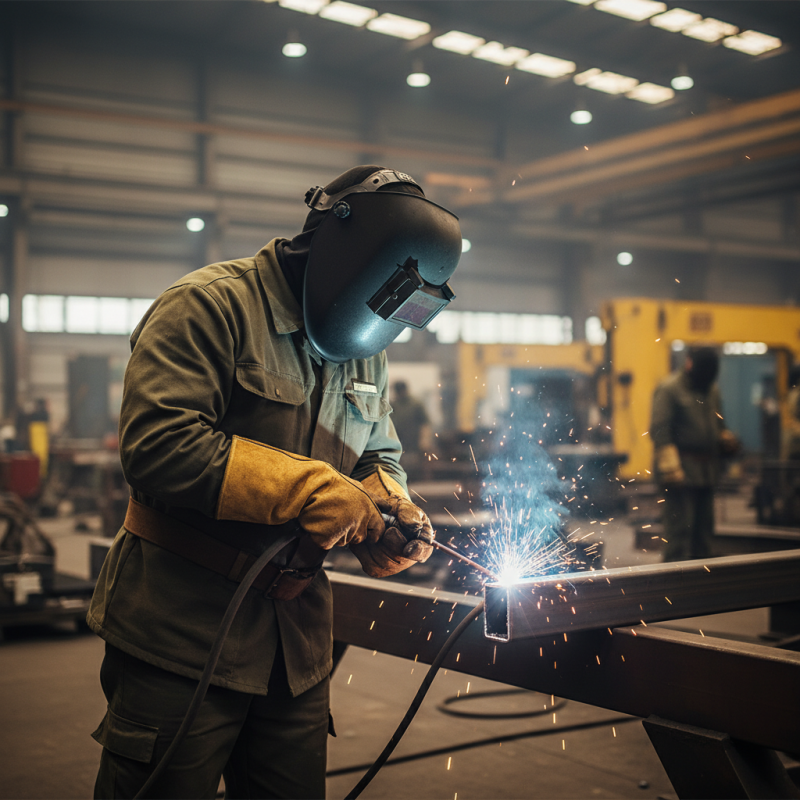
Why is Welding Protection Essential for Safety and Quality?

Importance of Welding Protection for Worker Safety

Welding is vital in many industries, yet it poses significant risks to workers. Protecting welders from hazards is crucial for maintaining their safety and ensuring quality work. Exposure to intense heat, sparks, and harmful fumes can lead to severe injuries or long-term health issues. Therefore, welding protection is not just an option; it is a necessity.

Personal protective equipment (PPE) is the first line of defense. Welders must wear appropriate gear, including helmets, gloves, and fire-resistant clothing. Each item plays a role in shielding against dangerous elements. However, even with protective gear, workers sometimes overlook proper usage. Ensuring that all equipment is well-fitted and in good condition is essential. A worn-out glove can offer little defense against flying sparks.

Tips for safety: Regularly inspect your PPE for any damage. A small tear might seem insignificant, but it can expose skin to burns. Also, stay aware of your surroundings. Heavy machinery and other workers can create additional risks. Finally, ensure proper ventilation in your workspace. Inadequate airflow can increase the risk of inhaling fumes. Keeping these points in mind can significantly improve safety on the job.


Importance of Welding Protection for Worker Safety

This chart illustrates the various levels of importance for different types of welding protection gear. Ensuring adequate protection for workers is crucial for maintaining safety and quality in welding practices.

Common Hazards Faced by Welders Without Protection

Welding can be dangerous without proper protection. Welders face various hazards that could have severe consequences. According to the Occupational Safety and Health Administration (OSHA), approximately 500 injuries occur each year in the welding industry due to insufficient protective measures. Common risks include exposure to harmful gases, intense heat, and bright light.

The intense ultraviolet light from a welding arc can cause severe eye injuries, often referred to as "arc eye." This condition can be quite painful and may lead to permanent vision damage. Additionally, sparks and molten metal can cause serious burns. Sadly, around 1 in 10 welders will experience burn injuries during their careers.

Tips: Always wear a welding helmet with the highest protection level. Use gloves that are resistant to heat and cuts. Regularly inspect your gear to ensure there are no damages.

Respiratory problems are also prevalent among welders. Inhalation of harmful fumes can lead to long-term health issues. The American Welding Society reports that about 20% of welders experience chronic respiratory conditions. These conditions can severely impact their quality of life.

Tips: Use appropriate ventilation or respiratory protection when welding outdoors or in enclosed spaces. Don't ignore any symptoms of respiratory distress.

Lastly, falls and electrical hazards can lead to severe injuries or fatalities. Safety measures are crucial. Proper training and equipment can help mitigate risks. Every welder should prioritize their protection and be aware of potential dangers.

Why is Welding Protection Essential for Safety and Quality? - Common Hazards Faced by Welders Without Protection

Hazard Type Description Potential Effects Protection Measures
UV Radiation Intense rays emitted during welding can cause severe skin burns and eye damage. Skin cancer, cataracts, and flash burns. Welding helmets with UV filters, protective clothing.
Fumes and Gases Welding produces harmful fumes and gases (e.g., ozone, carbon monoxide). Respiratory issues, lung diseases, and poisoning. Proper ventilation, respiratory protection (masks and respirators).
Heat and Sparks Heat generated and sparks created can ignite flammable materials. Burn injuries, fire hazards. Flame-resistant clothing, safety barriers, fire extinguishers.
Noise Welding operations can produce high noise levels affecting hearing. Hearing loss and fatigue. Hearing protection (earplugs or earmuffs).
Electrical Shock The use of high voltage equipment poses a risk of electric shock. Severe injuries, including cardiac arrest. Insulated equipment, grounding techniques, proper training.
Ergonomic Risks Improper posture and repetitive motions can lead to musculoskeletal disorders. Chronic pain and injuries. Proper tools, ergonomic workstations, regular breaks.

Types of Welding Protective Gear and Their Functions

Welding protection is crucial for personal safety and the quality of work. Different types of welding protective gear serve specific functions. They help shield workers from hazardous conditions.

Welding helmets are essential. These helmets protect the eyes and face from intense light and sparks. Many helmets come with auto-darkening features. They allow visibility before and after welding. Properly adjusted, they enhance safety. However, incorrect fit can lead to exposure.

Protective gloves are another key component. These gloves guard hands against burns and cuts. They should be durable yet flexible for better grip. Choosing the right material is important. Improper gloves can compromise safety, rendering them ineffective.

Lastly, safety jackets are vital. Lightweight options offer ease of movement. Heavy-duty jackets withstand extreme heat. Still, ensuring comfort is crucial, as discomfort may lead to distraction.

Regulatory Standards for Welding Safety and Protection Equipment

Welding safety is paramount. Regulatory standards guide the use of protective equipment. These standards help ensure workers remain safe from hazards. They specify the types of gear necessary for various welding processes. This includes helmets, gloves, and protective clothing to safeguard against chemical exposure and burns.

Many workplaces struggle to comply fully with these standards. Sometimes, workers may overlook proper gear. This can lead to accidents and injuries. The industry lacks a uniform approach to training. Different regions may have varying guidelines, which adds to the confusion.

Employers often need reminders to prioritize safety. It's essential to regularly review safety protocols and equipment condition. Neglecting this can create a false sense of security. Workers should feel empowered to speak up about safety concerns. Regular audits can help identify gaps in compliance and training.

Impact of Proper Protection on Welding Quality and Outcomes

Welding is a skill that requires precision and care. Proper protection is vital for ensuring the quality of the welds produced. Without adequate safety gear, welders expose themselves to various risks. For instance, sparks and molten metal can cause severe burns. Eye injuries from intense light are also frequent. Wearing the right gear can drastically reduce these hazards.

The impact of proper protection extends beyond safety. When welders use effective protective equipment, their focus improves. They are less distracted by discomfort or pain. This leads to more precise welds and neater finishes. The flow of the molten metal becomes smoother. Contaminants are kept at bay, maintaining the purity of welds. However, it’s not just about wearing gear; it’s also about how often it's maintained and replaced. Worn-out protective equipment can inhibit performance.

Inadequate protection can result in poor-quality work. It can lead to weld defects such as cracks or porosity. Sometimes, welders may overlook essential protective practices. They might skip a helmet adjustment or wear dirty gloves. This complacency can hurt both safety and the final product. Reflecting on these habits is vital for improvement. Effective protection ensures not only safety but also the overall quality of the work.