
Why Is My Power Inverter Not Working?
When a power inverter stops working, the problem may look dramatic: a blank display, a red warning light, or a sudden loss of household power. Yet the inverter is often reporting a symptom, not the original cause. Low battery voltage, overloaded circuits, loose terminals, poor ventilation, and grid abnormalities can produce similar behavior. The first practical step is careful observation. Note the fault code, cooling-fan sound, cable temperature, and the time of failure. Do not open the enclosure while energized.
Industry research supports this cautious approach. IEA PVPS Task 13 reports have repeatedly examined inverter reliability, highlighting thermal stress, humidity, component aging, and connection quality as important failure factors. NREL reliability studies also emphasize that operating conditions and maintenance practices influence photovoltaic system performance. These findings matter in a garage, workshop, or solar cabinet, where dust can cover air vents and a warm cable can hide behind a wall. Small details can reveal large problems.
Start with the manufacturer’s manual and the exact model number. Check input voltage, output load, battery condition, ventilation, and protection devices. A simple reset may restore operation temporarily, but it does not prove the fault is solved. That assumption is risky. A neat checklist is useful, but it is not infallible. If burning smells, melted insulation, repeated trips, or exposed conductors appear, stop testing and contact a qualified electrician. Reliable diagnosis combines measured evidence, documented procedures, and respect for electrical safety standards such as NFPA 70.
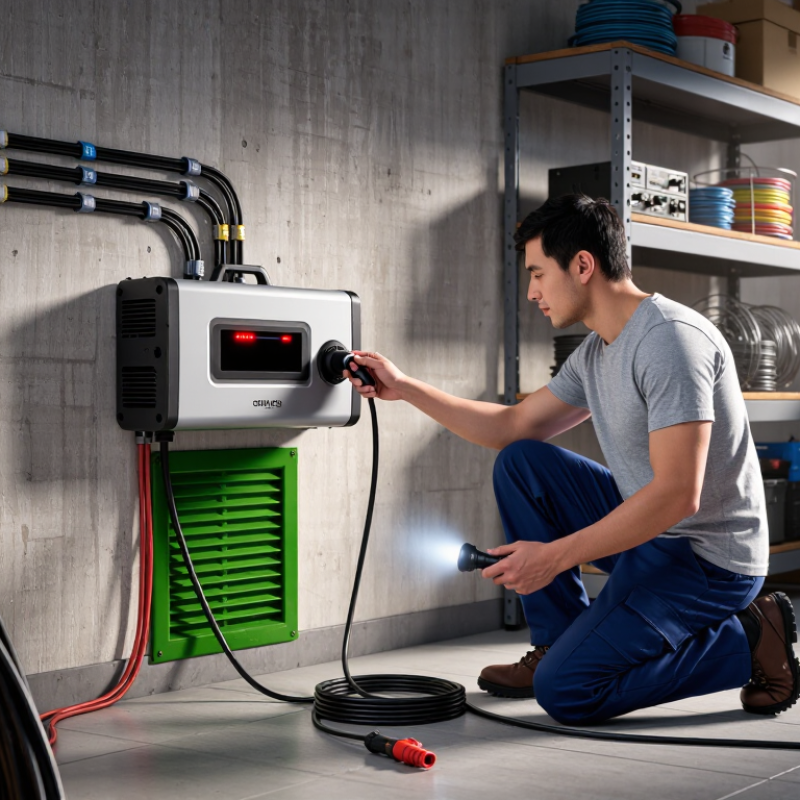
What a Power Inverter Does and How It Should Operate
A power inverter converts direct current from a battery into alternating current for household equipment. It uses electronic switching circuits to create a usable output waveform. The battery supplies energy, while the inverter controls voltage, frequency, and protection. That detail matters. An inverter cannot produce stable power from a weak or badly connected battery.
Normal operation begins with a charged battery and secure cables. After switching on, the inverter checks input voltage and internal temperature. It may then power the connected device through its output socket. A small fan can start under heavy demand. A display may show input voltage, output load, or a fault code. Start with the battery. Loose terminals, corroded connectors, and undersized cables can cause immediate shutdowns. I have seen users test the inverter with a phone charger, then assume it is ready for a heater. That assumption is risky.
If the inverter stops working, disconnect the load and check the battery voltage. Try a lower-power device after confirming the cables are tight. Overload, overheating, reverse polarity, and low voltage commonly trigger protection. Heat is often overlooked. Leave ventilation spaces around the unit, especially inside a vehicle or cabinet. A modified output waveform may also disturb sensitive equipment, even when the inverter appears operational. The manual’s load limits should guide testing, not guesswork. In practice, replacing a fuse without finding the original fault rarely solves the problem. Some failures are less obvious. Internal damage requires qualified inspection, because opening the case can expose dangerous stored energy.
Why Is My Power Inverter Not Working? - What a Power Inverter Does and How It Should Operate
| Operating Area | What the Inverter Does | Typical Normal Condition | Common Problem | Recommended Check |
|---|---|---|---|---|
| DC Input | Receives direct current from a battery, solar battery system, or another DC source. | The input voltage remains within the inverter’s specified operating range. | Low battery voltage, a disconnected source, incorrect polarity, or a blown DC fuse. | Measure voltage at the inverter’s DC terminals and inspect cables, fuse holders, and polarity. |
| Power Conversion | Converts DC electricity into alternating current for compatible appliances and equipment. | The inverter produces a stable AC output at the rated voltage and frequency. | Internal fault, electronic protection shutdown, or damage caused by an unsuitable load. | Disconnect all loads, restart the inverter, and check whether the AC output returns. |
| AC Output | Supplies converted electricity through an outlet, hardwired circuit, or connected equipment. | The outlet provides power without repeated alarms, resets, or voltage interruptions. | Output breaker tripped, loose wiring, overloaded outlet, or a short circuit. | Turn off connected appliances and check the inverter’s AC breaker or reset function. |
| Load Capacity | Provides power up to its continuous output rating and manages short-term startup demand. | The total running load stays below the continuous rating, including reasonable startup demand. | Overload caused by heaters, pumps, refrigerators, compressors, or multiple appliances. | Add appliance wattages, unplug nonessential loads, and test one device at a time. |
| Battery Condition | Draws stored energy from the battery and may stop operating when voltage becomes too low. | The battery is adequately charged and can maintain voltage under load. | A discharged, aged, damaged, or undersized battery causes shutdown or repeated alarms. | Recharge the battery and measure voltage both with no load and while the inverter is operating. |
| Connections | Transfers high current through DC cables and delivers AC power through the output circuit. | Terminals are tight, clean, correctly sized, and free from visible heat damage. | Corrosion, loose terminals, undersized cables, or excessive cable length. | Inspect for discoloration, melted insulation, corrosion, and loose connections; disconnect power before servicing. |
| Cooling System | Removes heat produced during power conversion and high-load operation. | Air vents remain clear and the cooling fan operates when temperature or load requires it. | Blocked vents, dust buildup, a failed fan, or installation in a hot enclosed area. | Move obstructions away, allow the unit to cool, and clean vents according to the service instructions. |
| Protection Functions | Monitors voltage, temperature, current, and output conditions to prevent unsafe operation. | Status indicators show normal operation without persistent fault codes or warning alarms. | Low-voltage, high-voltage, over-temperature, overload, or short-circuit protection has activated. | Read the fault indicator, correct the underlying condition, and perform a controlled restart. |
| Power Switch and Settings | Controls startup and may manage standby mode, charging priority, or output preferences. | The switch is on and configured for the connected power source and intended load. | Switch is off, remote control is disabled, sleep mode is active, or settings are incompatible. | Verify the main switch, remote enable signal, operating mode, and configured input voltage. |
| Waveform Compatibility | Produces an AC waveform that must be suitable for the connected equipment. | Sensitive equipment operates normally without excessive noise, heat, or malfunction. | Some motors, chargers, audio equipment, or sensitive electronics may not work correctly with an incompatible waveform. | Check the equipment requirements and inverter output waveform before connecting sensitive devices. |
| Grounding and Safety | Provides a controlled electrical path and helps reduce shock and equipment risks. | Grounding, fusing, ventilation, and installation practices follow applicable electrical requirements. | Missing ground connection, incorrect wiring, exposed conductors, or unsuitable installation location. | Stop using the unit if wiring is damaged or abnormal; have electrical work checked by a qualified professional. |
Related Posts
-
Power Inverter Tips for Optimal Performance and Usage?
-
2026 Best Power Inverter Types for Global Buyers?
-
What is a Power Inverter and How Does It Work?
-
How to Choose the Right Power Inverter for Your Needs?
-
How to Choose the Best AC to DC Inverter for Your Needs?
-
Decoding Power Inverters: Understanding Efficiency Ratings and Their Impact on Your Energy Bills